Fosbury Flop

Fosbury Flop

By Chuck C:

The Fosbury Flop revolutionized the sport of high jumping. Prior to Dick Fosbury everyone jumped over the bar facing it as they approached the jump. Dick turned his body and jumped with his back to the bar. Today,everyone jumps that way. Why? The answer is simple, it’s a biomechanically superior way to jump higher, and therefore dominates the sport to this day. However, it took this “weirdo” winning the gold medal before anyone tried the technique. I believe Moe Norman was the Dick Fosbury of golf.

If Moe Norman was not the socially challenged man he was, I believe he would have won every major and set the great game of golf on it’s ears. I saw Moe strike balls at a clinic for almost two hours.

I have also watched many great tour players as well, Kite, Price, Norman (Greg) and many others at PGA tour events. I like to go early and stand behind them as they go through their warm ups. I can emphatically state that no one ever impressed me as much as Moe. His prowess at striking a golf ball was beyond what a mere mortal could do.

Why? Because he developed a biomechanically superior way to strike a golf ball. That’s what Titleist discovered when they measured his swing-perfect spin that only a machine could accomplish.

Moe’s record in Canada speaks for itself. His personality disorder kept him from duplicating it on the PGA tour. Otherwise, I for one believe we would all be swinging like Moe today. Just like everyone uses the Fosbury flop in high jumping today.

The bottom line, it is a superior way to swing a golf club on plane and square into impact, period. It is simpler, has fewer moving parts and gives no quarter to distance or power. All you need do is try it to become a believer. It will work for anyone, because it is biomechanically pure, more efficient and easier to do.

Now for my confession. I am a Graves Golf Academy Alum, and a flaming zealot of Moe’s swing and the Graves school of golf. I am only a student and not in anyway affiliated with or compensated by them. I suffered from a lousy golf game for thirty years before I discovered the Moe way. Thanks to Moe and GGA, I am now an accomplished player of the game I love but could never play.

Chuck
Todd Graves Question and Answer

With 18 years of golf instruction experience teaching the golf swing taught to me by Moe Norman, I have learned much about the process of learning the perfect Single Plane Golf Swing of Moe Norman. The thousands of students I have helped have had many similar questions and circumstances regarding learning to transform their golf games. With this question and answer format, I will give insight into many of these common issues and questions.

Q. I have taken numerous lessons from various instructors and found it difficult to change my swing – why is this so?

Todd: There are two parts necessary to answer this question. First, it could be WHAT you are trying to learn and secondly, HOW you are trying to learn it. In other words, it could be that the methods you are trying are simply too difficult or you are not, as Moe would say, “giving yourself a chance” to learn.

By giving yourself a chance to learn, first you must understand that what you do and what you think you do are very different. Until you understand this simple concept, learning can not occur. Once you accept that you really do not know what to do, you then become willing to learn and receive instruction.

You may think that the goal is to swing the golf club like Moe Norman yet this is just the result. What you are really trying to do is move your body like Moe Norman which will, in turn, swing like Moe which will, as a result, strike the golf ball like Moe. This realization of process and not result is the difference between successfully changing your golf swing or not.

Why is Moe Norman’s golf swing easier to learn?

Todd: The goal of great ball striking is to move the golf club with correct path, face angles and speed to impart proper spin and distance on the golf ball. Therefore, a great golf swing is a matter of proper club movement. Proper club movement has two dimensions, you (the person swinging the club) and the golf club. I call this “Where anatomy meets a golf club” because to move the club correctly, you must use your body as a machine using the golf club as a tool. The question, therefore, is “What is the easiest way to strike a ball on the ground using the body and a golf club?” Moe Norman, figured out that if you set the club on the same angle at address that it will return at impact, that he could repeat ideal impact more easily. This is what we call the Single Plane simply identifying that address and impact can be in the same place.

Every good golf swing must impact the golf ball on the plane of the golf club design. This simple fact of addressing where you impact simplifies what the body must do to achieve perfect impact.

How then, can I make changes to swing like Moe?

Todd: There are a number of things that must happen for significant changes to occur. There are two basic ingredients to the success formula: Repetition and Time.

Scientists have discovered that it takes 10,000 hours to master any skill. This amount of time separates the average from the masters. When you learn to drive a car, you begin as an unskilled, conscious, driver who, through repetition and practice, learn to drive a car unconsciously without thought. You learned this through repetition and time. We all know this formula yet when it comes to golf, many people want to skip the learning process, run to the golf course and play golf. They get frustrated and often quit the game.

How do I shortcut this process?

Todd: This is the one million dollar question that the western society spends much of their time focused on. The answer is to make sure that when you are using repetition and time, you use them wisely. The more wisely you spend your time with quality practice, the shorter the learning process becomes. This means that every moment and every repetition counts. So don’t waste time and don’t waste repetitions.

The New York Times published an article where they interviewed various coaches teaching the best athletes in the world. They asked the question “what is the worst thing you can do to an athlete in training”. The coaches answered, “have them do it wrong (fundamentals) ONE time”.

Tell me more about the learning process.

Todd: I can tell you both about my experience learning from Moe and my experience helping others swing like Moe. Many people think they can think their way into a better golf swing. If this were true, better thinkers would be the best golfers.  You must realize that your mind does not teach your body a skill. While you might read books to learn about something, learning how to do something does not occur until you actually DO something. It is the doing that is the teacher. You can know that a flame is hot but you can never learn that a flame is hot until you touch it. It is not the mind that teaches the body, it is the body, through experience, that teaches the mind.

A common misunderstanding is that there is a phenomenon called “muscle memory”. While it seems that when trained, the muscles remember to move correctly, muscle memory does not describe the total picture. A more accurate understanding of how the body represents learning would be better described on a cellular level where every cell of your body remembers. You can not have a sick heart and a healthy body nor can you have an arm remember the backswing but a leg that does not. The body works holographically (a sum of parts acting as a whole) where the entire entity learns and remembers. Moe expressed this brilliantly to me when he said; ” I don’t know how to swing it badly”. What he was telling me was that he really only knew what he was trained to do, and what he had repeated thousands of times.

What did Moe tell you that helped you learn his swing?

Todd: Moe taught me how to do this in a number of ways. He called his swing the “Feeling of Greatness” and often discussed with me that he learned his swing by teaching his “body-mind”. When Moe talked about the “body-mind” he would tell me “my body memorizes my golf swing”. In other words, he was teaching himself through the repetition of movement. Moe often made the comment ; “I learn from every shot, even the bad ones. “This “body-mind” teaching is what separates those who change and those who do not and when I finally understood and learned to teach my “body-mind”, I realized that it is actually very simple and fun.

How do you suggest I start learning the Moe Norman Single Plane Golf Swing?

Todd: Where most people make the mistake is that they do not have clarity in their objective. They start running before they have learned to walk. What I usually say is that “baby steps always move forward while those who move too quickly before they are ready often go in a circle and end up where they started”.

To begin learning, you must understand what EXACTLY you are attempting to achieve and you must start by taking small steps. This is why we use the modeling process by observing Moe Norman’s perfect golf swing and using this as our guide. Once you are committed to the model and you are willing to dedicate time and repetition, you are ready to start the transformation which can occur rapidly if you take baby steps.

Once I am willing and committed, what should I do?

Todd: Develop and Understand the exact fundamentals. This means that you must get the fundamentals perfectly correct. I suggest training aids, mirrors, video cameras, instruction and any way to make sure you are practicing correctly each time your practice. Remember, use your time wisely.

I understand all of this, tell me more about how, if you had it to do all over again, learn to swing like Moe?

Todd: I love this question because I wish I could do it all over again. You must understand that when I learned from Moe, all I had was Moe and my mind. Moe knew the feelings but I had to interpret them with my mind. It was still a trial and error process for me and it took me at least two years to grasp the full understanding to train my “body-mind”. Today, I find it quite easy to train myself anything new because I know the formula of time and repetition. Knowing this formula, here is what I would do if I started all over again. First, I would only hit golf balls into nets where I could not ever see a result. My only measurement of success would be whether my body moved like Moe or not. I would then, slowly use tools to achieve perfect fundamentals including the PVC drill, training club and alignment trainers learn to move exactly like Moe Norman. I would start extremely slowly with the PVC. During this practice time, I would video every movement to make sure I was like Moe. Once I was exactly like Moe, I would repeat it.

My goal would be to move exactly like Moe and train my “body-mind”. I would also make this process fun and interesting.

Do you consider Moe Norman’s golf swing a method?

Todd: I believe that there are mainly two types of instruction in the world today – those who teach methods such as “stack and tilt” and those who blend all of the methods together and try to just help a golfer get better. I call this the “tip of the day” type of instruction. In my opinion, there are many ways to “get the job done” and this opens the door for many methods and theories.  You can hammer a nail with a sole of a shoe or a wrench. These are methods for hammering a nail. Once you learn that a hammer works better, you realize that the hammer is easier and designed for the job. The hammer is the solution for the task and you never use a shoe again. Many would consider Moe’s golf swing a “method”. I do not. I consider Moe’s golf swing the solution. Why? Because of biomechanics and the fact that Moe’s golf swing was the perfectly designed tool for the job because he discovered a way for the human body to strike a golf ball more efficiently. He found a way to make the body a hammer. Moe found the answer.

Do you agree with Natural Golf and don’t they teach Moe Norman’s golf swing?

Todd: I have an extensive history with Natural Golf. Much of this early history is good where we have partnered on various levels. Over the years as Natural Golf changed owners, our relationship increasingly became strained severing this partnership. Mainly due to the fact that Natural Golf does not teach Moe Norman’s golf swing yet they continue to use his likeness to sell clubs. One reason for the separation is the fact that I do not believe that you do not need special clubs to swing like Moe. Natural Golf manufacturers clubs that are long and upright with large grips. After teaching thousands of students with these clubs, they have shown to inhibit people learning to swing like Moe. I believe that all clubs must be custom fit to you when you swing like Moe therefore, you need to work on Moe Norman Single Plane fundamentals and have clubs fit to you and those fundamentals. Furthermore, Natural Golf continues to use Moe’s likeness and reputation in their marketing, yet they do not use him as a model for their teaching. I believe this is a misrepresentation of Moe Norman and always has been. Now that Moe has passed, I believe it is important to uphold Moe’s legacy accurately otherwise, companies like Natural Golf will paint a confusing picture of Moe Norman for future generations.

The Lower Body and the Spine

Not what you might think

Common misperceptions of the lower body movement

Introduction: If you truly desire to become a better ball-striker, it is mandatory that you start to pay attention to your biomechanics. The only way to do this is to start video taping your golf swing to understand exactly what is happening. The following pictures demonstrate the movement of the lower body.


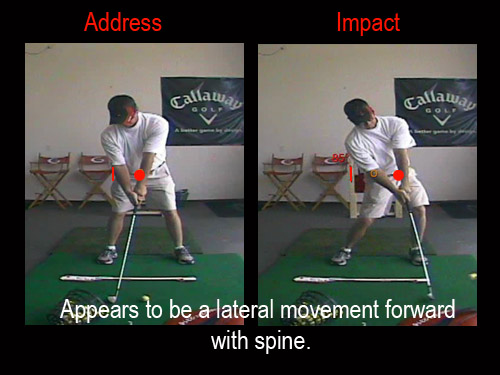
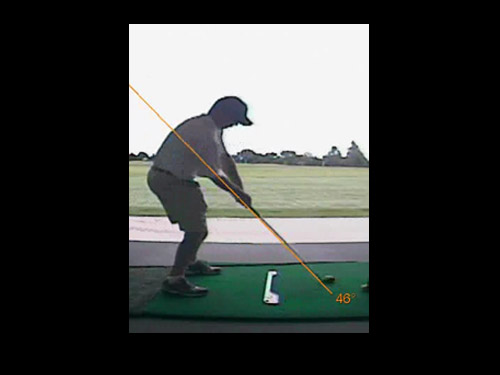
Picture 1: From the face on view, you can mark the lower spine to examine that the spine appears to move forward. Many instructors have declared this to be a lateral movement and even taught this.


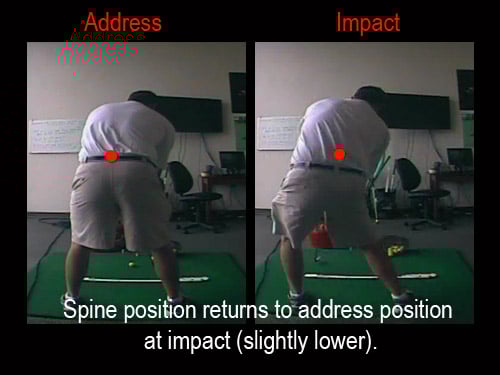
Picture 2: Pictures however, are very deceiving as a back view of the same swing shows that the spine actually returns to the original position at impact. What does this really mean?


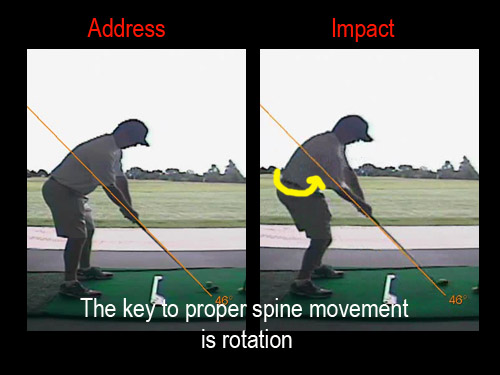
Picture 3: This means that from address to impact, the hips must rotate to achieve proper spine movement as the parts of the body are all connected.


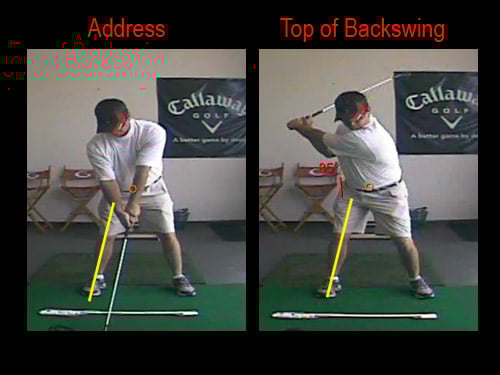
Picture 4: Correct Spine movement from address is to rotate the hips into a stationary trail leg


Picture 4a: and only re-rotate into the stable lead leg.  This is where the spine can return to its original position.


Picture 5: By returning the spine to the original position, the shoulders and arms can deliver the club to impact on plane.


Moe vs. Traditional

Traditional Golf Methods

There are numerous Traditional ball striking methods. Simply watch the PGA Tour and you will see hundreds of professional golfers playing the game with many styles and techniques.

Moe Norman and the Graves Golf Academy recognize that playing the game of golf and ball striking are not the same.

Arguably the best player in Canada in his day, with over 17-course records, Moe Norman even said, “I am the best ball striker – not the best player”.

Moe Norman Single Plane Golf Swing

Golf is a game where the goal is to hole the golf ball in the fewest strokes possible in the course of 18 holes. Ball striking is an important part of that goal.

Golf, however, is regarded as one of the most difficult games to learn because ball striking with traditional golf swing methods is difficult. Everyone should be striving to learn an easier, more simplified way to play golf.

Here is a simple demonstration of why traditional golf swing methods, those being taught today, are biomechanically complicated and why Moe Norman single plane mechanics are easier to learn, repeat and ultimately simplify ball striking for everyone.

Traditional Golf – Address to Impact

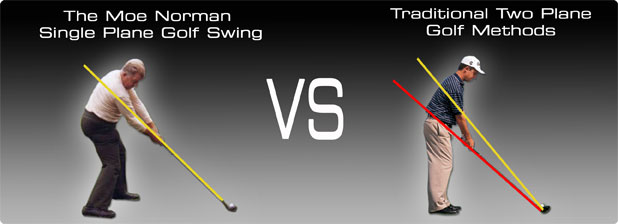
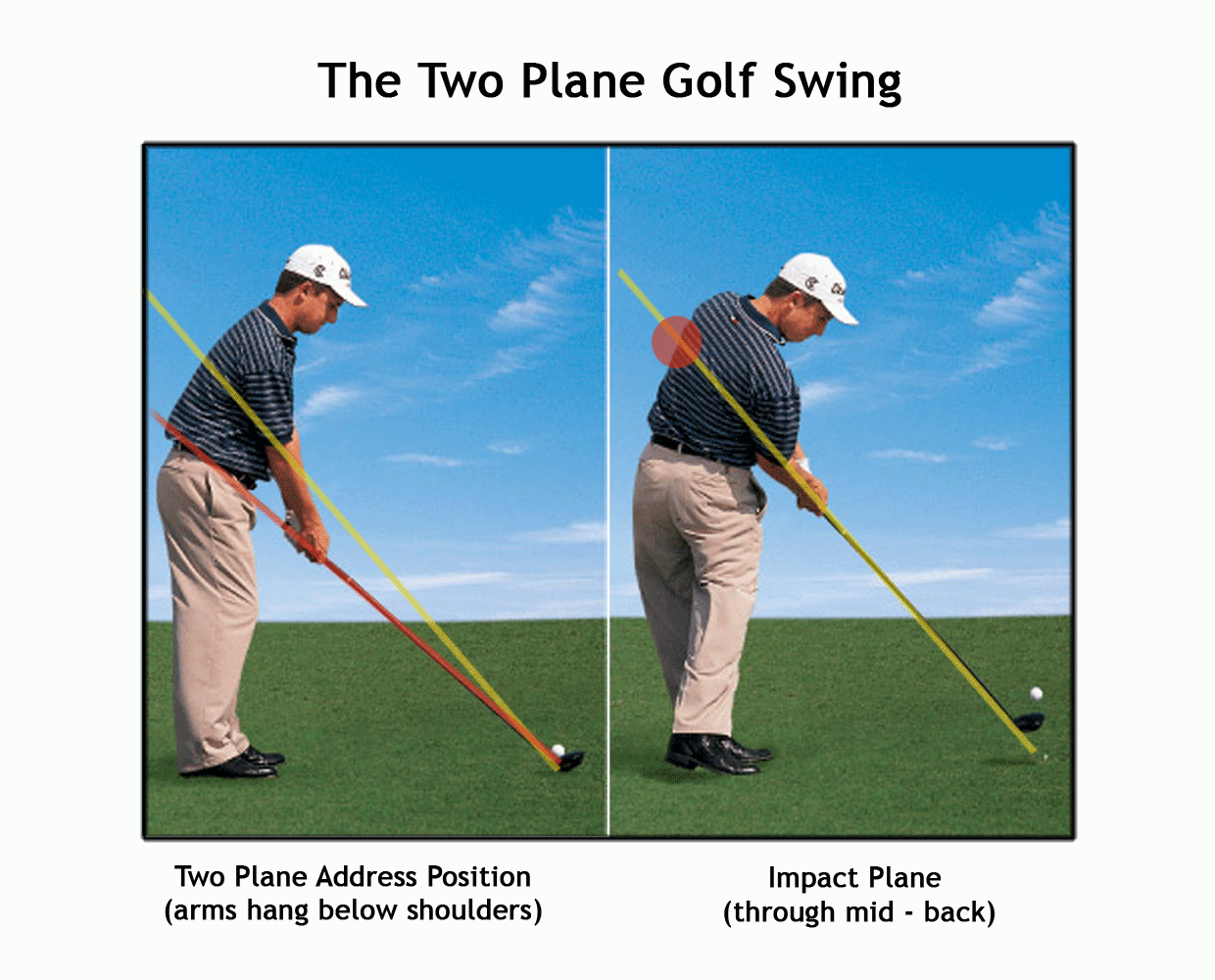
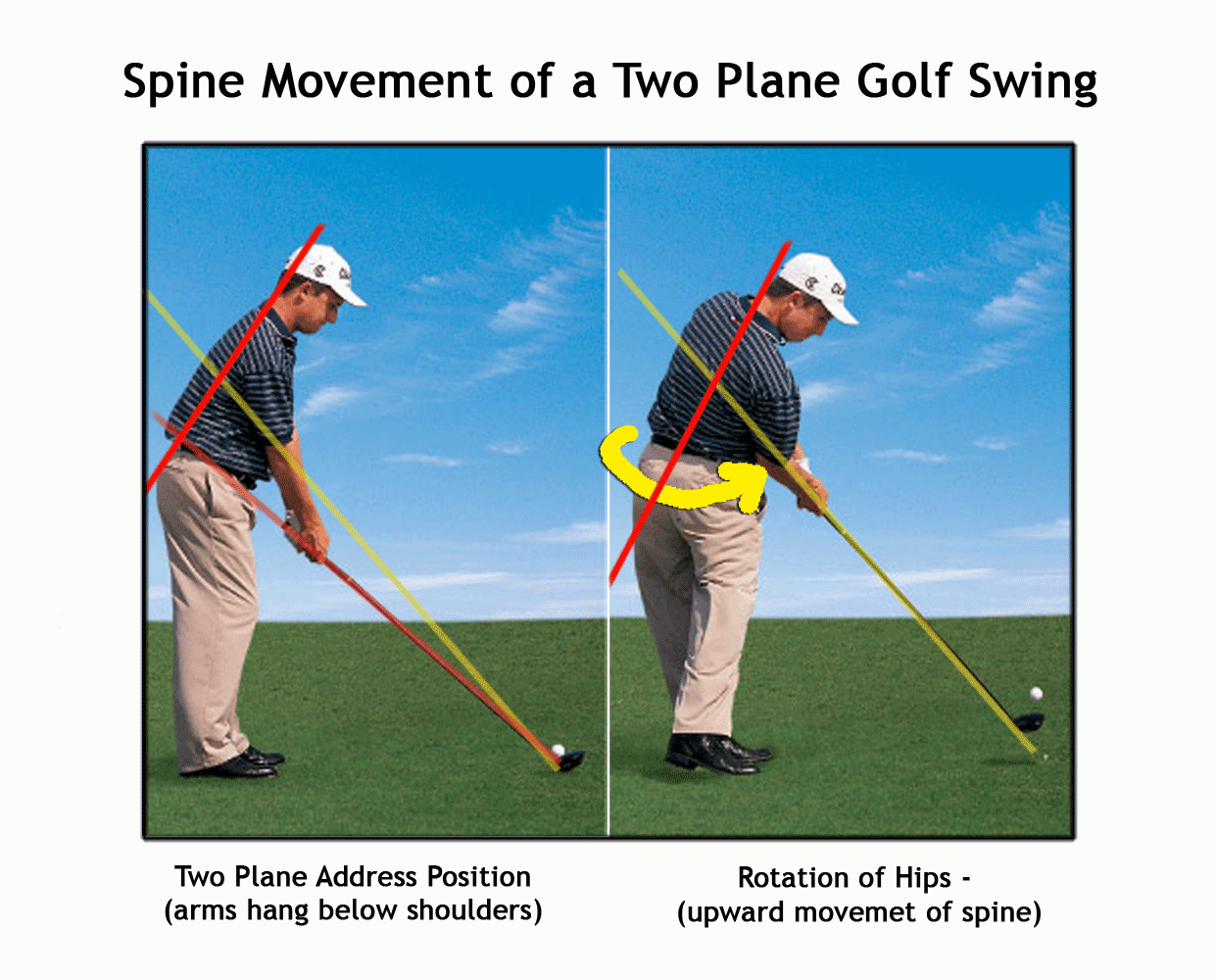
Traditional golf methods generally all address the ball where the arms hang below the shoulders in a straight down fashion. This “hanging” of the arms creates what the Graves Golf Academy considers a two plane address position.

Moe Norman Golf Swing Instruction

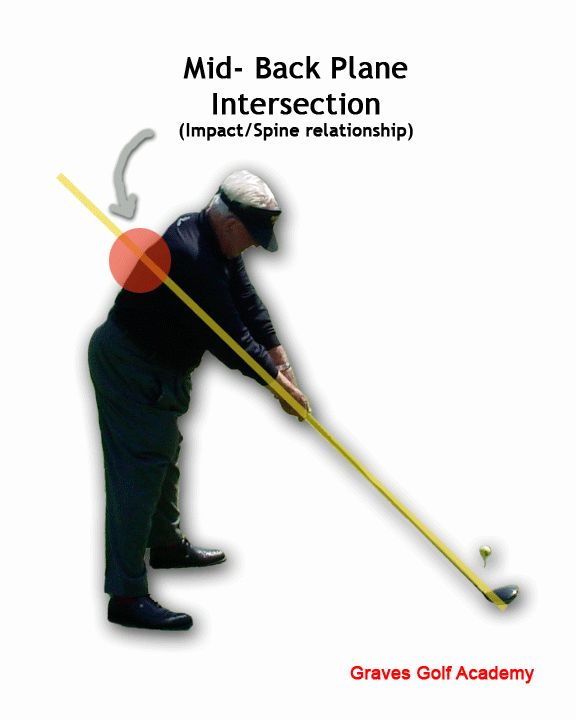
This two plane (club at address vs. club at impact) relationship is a significant variable as all golfers will impact the golf club with the shaft running directly through mid-back.

The movement from the lower plane (red) to the upper plane (yellow) is significant. The traditional golfer, in this case David Toms, uses significant rotation of his body as well as an upward movement of the spine.

Moe Norman Golf Swing Instruction

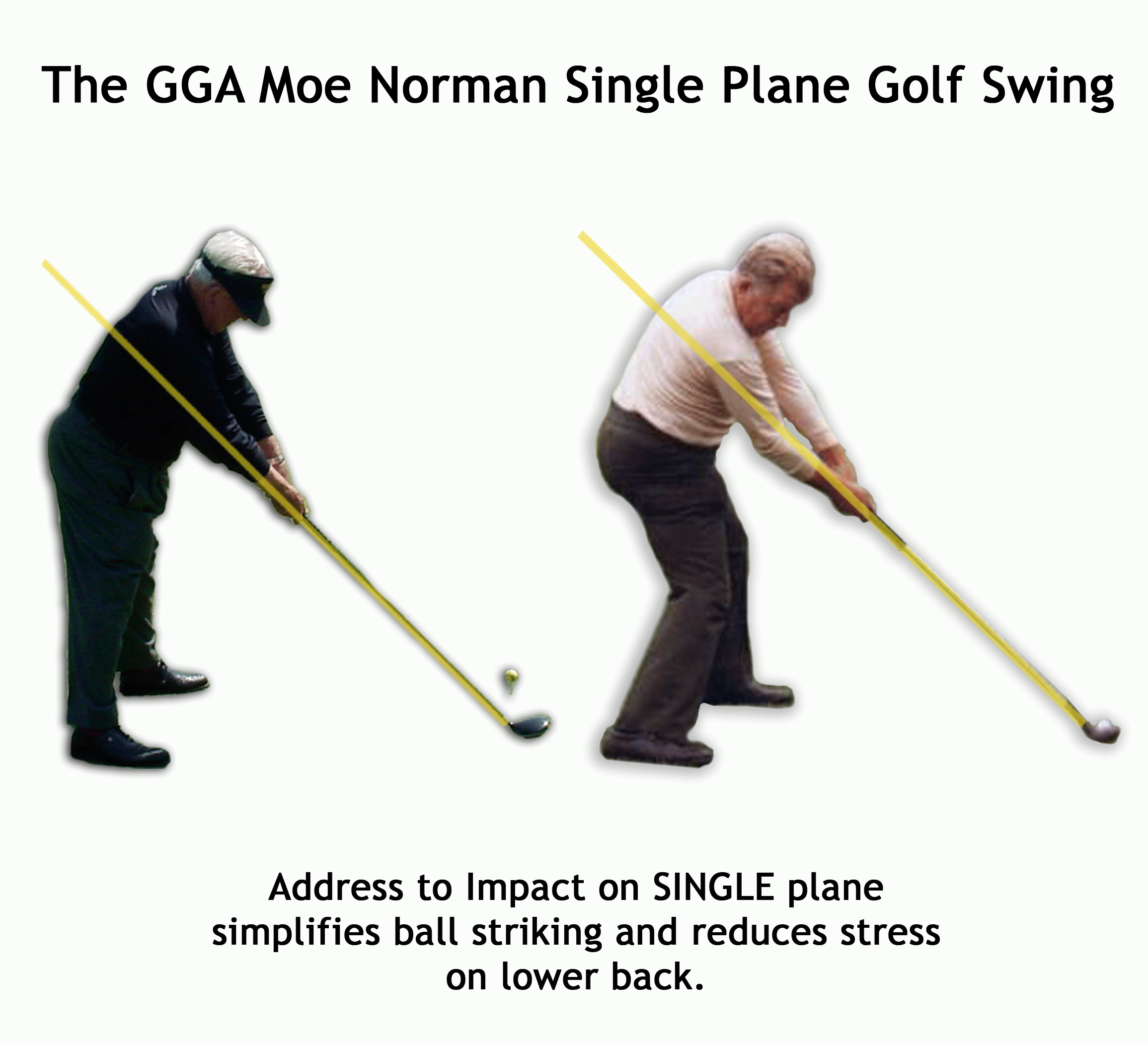
This mid-back impact plane is exactly where Moe Norman addressed the golf ball thus resulting in a single plane address position.

The Single Plane/Spine Intersect

Moe Norman Single Plane Golf Swing - Mid Spine Intersect

The mid-spine intersect is simply the place where the club shaft and spine will intersect at impact. This relationship is fundamentally based on biomechanics and directly related to how you hold the golf club in the lead hand. Other factors that relate to this intersection are:

  • Correct posture/bend from waist
  • Correct lead hand grip position – club in fingers under heel pad (forms angle of lead arm and grip)
  • Club fitting – making sure the club correctly fit when the shaft intersects with spine

The Single Plane Golf Swing – Address to Impact

The single plane golf swing shows that the club shaft and spine / intersect is maintained from address to impact thus reducing the amount of upward motion of the spine. By reducing the movement of the spine, the golfer can reduce the stress on the spine thus reducing the movement of the body resulting in more consistency. One notable effect that is immediately noticeable is that the single plane golf swing allows both feet to remain on the ground through impact – a clear indication that the spine/shaft intersect relationship is maintained.

Moe Norman Single Plane Golf Swing

By addressing the club on the same plane that it will impact makes the Moe Norman Single Plane Golf Swing™ biomechanically superior to the traditional methods. 

Practice Tip: Age before Beauty

Hello Everyone –

For many of those who have attended our schools, you know how much I like to tell stories. First, hopefully they are a little entertaining and for most, we’ll remember stories and maybe the point we are trying to teach…

This past week I played in our annual Pro / Pro (partner) South Central Section PGA Tournament. The tournament is a partnership tournament where you can choose any partner (PGA) from your section (Oklahoma, Arkansas and Kansas).  The format is a 36 hole event – 18 holes best ball and 18 holes modified alternate shot. Low total for 36 holes wins.

As you can image, there are many teams of 20 somethings playing together… and most of the PGA members who are over 20 will pick a “young gun” to help them in the format.  I know better…

The partner I choose is George Glen – he is a 68-year-old retired professional from Tulsa. (He was the head professional at a Tulsa municipal course for 30+ years and has worked in the business for close to 50 years… now running the Tulsa Golf Association).

Some of you may have read past e-tips about me and George – but I wanted to give the most recent story – as it is a good lesson for many…..

The first round (best ball) went okay… The section sets up the tournament for everyone. 50 years of age and younger play the back tees, 50 to 65 years play 20 yards up and 65 and over play another 20 yards up. The reason is they expect all to hit their drives in about the same position (and typically plays pretty true..).

We shot a 64 – leaders shot a 62 (there were about 50 teams in the field, believe we were in 3rd place after first round).

The second round is a modified alternate shot. Both partners hit off the tee, and then they choose the best shot and alternate from that point on. Give an example – Hole number 1 – 430 yard par 4 (390 yards for George) George and I both hit drives in the middle of the fairway about 150 yards from the green. Chose George’s drive – I hit the 2nd shot on the green, George hit the first putt, I hit the 2nd…

The interesting thing about the 2nd round was who we got paired with. It was a pair from Tulsa (Patriot Golf Course) who were each 25 years old. George made the comment – their combined age wasn’t even close to his age… Was the youngest group vs. oldest group.  They had shot a 63 the first round, we had shot a 64.  One of the partners was Martin Martinez – an assistant pro who is actually going back to pay on the European Tour in 2 months – and he hit’s it a mile……. a consider myself to have decent distance – he out drives me by 30 to 40 yards most of the time – well over 300 every time.

First nine of the 2nd round was pretty “usual” – one under for both teams – nothing spectacular – but not bad for alternate shot.

Then things started to turn on hole # 9.

# 9 is a par 5 that we play as a par 4 in the tournament. 480 uphill (downwind a little).

We all teed off.

I hit my drive to 200 yards from the Green, George hit his to 210 yards from green – Martin hit is a drive to 110 yards from the green – yes he out drove me by close to 100 yards. (To be honest, even amazed me….. was a joke how long he hit it….)

We chose George’s drive as I would be able to hit a long iron into the green vs. a 3 wood for him. I hit a 4 iron about 25 feet right of the hole (not a bad shot from 210..).

Martin’s partner hit a sand wedge…. yes, a sand wedge to about 10 feet above the hole – good shot.

We got to the green – George pulled out his long putter – lined up the putt – and dead center….. birdie. Martin’s partner (Tyler) got over is putt – missed to the right – we were one up on them (didn’t really know about the rest of the field).

Hole # 10 – very tight par 4 – tree-lined dogleg left. I hit my drive in the rough left side of fairway. George hit his dead center 140 yards out. Martin and Tyler hit their drives in left rough (next to me).

I hit the 2nd shot 10 feet below the hole – Martin punched to the front of the green. George lined up the putt – again, dead center. Martin and Tyler – par.

Hole # 11 – long par 5 – 570 yards. George and I hit our drives down the middle – about 300 from the green. Martin hit drives 220 yards from the green…… HUGE.  I had planned on George hitting the 2nd, I’d hit the third and let George putt again…. he was hot. But, then again, I was playing with the “expert” and wasn’t going to get in the way of experience. George looked at me and said, hit the 2nd shot to 100 yards to the pin, not 99, not 101 (he was kidding of course) – he said to hit 100…  So I got the 2nd shot, calculated I’d need a 210 shot to get to 100 yards from the pin (pin 10 yards back of center) – hit a 4 iron.

Tyler hit their 2nd shot from 220 – hit a hybrid just short of the green – was a good shot.

We went to our 3rd shot, was 102 from the pin (not bad). George looked at me and said “I’ve got this”. He pulled out his wedge and hit it 2 feet (a tap-in birdie).

Martin chipped to 5 feet, Tyler missed the putt.

In 3 holes, we were out driven by close to 100 yards, couldn’t get home on a par 5, and played one of the toughest holes on the course – and had gone 3 up over the “young guns”.  No question, experience was winning.

The next 2 holes we both parred, then number 14.

A short tight par 4. George played a driver off the tee (about 220 yards lay up to a creek) – I hit the 2nd shot to about 40 feet, missed clubbed short. Was hoping George would hit the putt close so I wouldn’t have more than a couple of feet left on the 2nd putt….. yeah right. George made the 40 footers dead center. By now the young guys were pretty much done….. they made par from 15 feet and you could see in their eyes – George was wearing them out with his putter and playing as steady as any great player.

Long story made short – we ended up making birdies on number 15 (short par 3 – George hit 7 iron to 5 feet, I made putt) and hole number 18 – average par 5 – George chipped to one foot on our 3rd shot.

We ended up winning the tournament with a 2 round total of 12 under.  It is the 3rd time we’ve won the event in a row….  and as I can tell you first hand – EXPERIENCE RULES!!

So, what can you take from this story…

First – Quit getting tied up in all the talk about how long everyone hits it. It is MUCH more important you know your distances (like how far you hit your wedges) and to be VERY accurate with your wedges / low irons than hitting it a long distance. Knowing your distances with your wedges is the key to good scoring. When George got the shot from 100 yards, he wasn’t trying to get close – he was trying to make it…. he has that much confidence in his yardages with his wedges. Figure out a way to practice your yardages. Maybe hitting shag balls in a field, maybe playing extra shots into greens (when practicing), etc.. KNOW YOUR YARDAGES – especially with the “scoring clubs”.

Second – as the old saying goes and is ALWAYS true. “Drive for Show, Putt for Dough”. If you want to score good, you must putt well. As I have always said, “I have never seen a good player with a bad short game (putter) or a bad player with a good short game (putter).” Give your putter some extra time. I have NEVER seen a driver save a round, but I have seen MANY putters save many rounds. Next time you are on the range and are thinking you need to spend the last few minutes of your practice time working more on your driver – GO TO THE PRACTICE GREEN – give your putter some more time.

Third – don’t be intimidated when you play with those that out drive you. There will always be those that are longer than you (and shorter than you).  I consider myself pretty long (actually have held over a 300 yard average on the Nationwide Tour) and have played with many who have bombed it past me. If you are going to be intimidated, it should be by a player’s ball striking (accuracy) and short game. The player who is the most consistent/accurate and the best short game wins a majority of the time.  Accuracy and short game is the key to GREAT golf. When / if you are playing in a tournament or against friends, you will be the best player when you can honestly say and have the best short game in the field.

Finally – probably the biggest lesson here… never, never, never let anyone tell you that age is an issue with this game.  Should George have been playing the back tees – no… but giving him the “slight” advantage to even out our drives – there was no question George was one of the best, if not the best, players in the field.

As I have told many of my fellow PGA pros in our section (who have wondered how we’ve won this event 3 years running..) I will take Age / Experience over “Beauty” every time!!

Remember – Always Practice with a Purpose.

Also, Remember – A little improvement every time you practice adds up to a lot of improvement over time.

The Machine, the Tool, and the Task

For the last 6 years now, I’ve been a member of the GGA team. In these 6 years, I’ve had the opportunity to meet thousands of people, make some wonderful friends, and expand myself in ways I never thought possible. It’s been a great 6 years to be sure.

One thing that some may not know about me is that before I became a member of the GGA team in January of 2004, I was a student of the GGA. I, like you, was looking to Todd and Tim to offer me a way to improve my golf game. I already knew without a doubt that Moe Norman’s Single Plane golf swing was the golf swing for me, and at my first interaction with Todd and Tim, I knew they were the ‘masters’ I would follow to achieve the improvement I sought.

One of my favorite things about Todd and Tim as teachers, besides teaching the simplest swing on the planet, is their desire to look for ways to improve, enhance, and evolve their instruction. In recent years, we have begun to try to simplify our instruction, and we now look at the golf swing in these terms:

  1. Task – Hit a golf ball towards the intended target
  2. Tool – The golf club in your hands
  3. Machine – Your body

Of those 3, you really only have control over 1 of them; your body. Golf clubs can be fit to you, but they still are just a tool, and without a machine to use the tool, they are useless. Your body is truly the only variable that you can control, and over the last 6 years, I’ve often seen it hinder many, if not most, of our students trying to swing like Moe. Hell, it hinders me too. My body isn’t as strong, supple, or flexible as it was 20 years ago, and I’d bet a “dollar to a doughnut” that yours isn’t either.

So Why bring this up?

Simple; Todd, Tim and I believe with our entire beings that Moe Norman’s Single Plane golf swing is by FAR a simpler, more bio-mechanically efficient and effective way to accomplish the task of hitting a golf ball toward an intended target.

Here’s the rub, however. For the students who’ve found renewed hope in Moe’s swing, the vast majority simply don’t have their “machine” in the correct working order to move the tool and perform the task. It’s their bodies that are failing them, not their desire or willingness to work and practice. Their machines, for lack of a better term, are broken and need some work.

Now I know you’re reading this going, “Sure he says that, they’re trying to sell them to make $’s”, and you’d be right. HOWEVER, let me pose this question to you. If you buy a product that helps you tune your “machine”, which in turn helps you achieve Moe’s swing more easily, which in turn helps you perform the task more consistently, and we make a few $’s in the process, isn’t that a win-win proposition?

The Flexibility & Golf Exercises DVD came into existence for only 1 purpose, and that was to be helpful in getting your “machine” in the correct working order to give you the best chance to play your best golf. Simple as that. Go check it out, and get a copy. Do the tests, the exercises, and go forward knowing that your machine, your body, will no longer hinder your ability to swing like Moe.

All the best,

Scott Renfrow

LEARN

THE

SWING

Join 1M+ Subscribers to get your FREE Video Quick Start Guide that reveals how to hit the ball farther and straighter more consistently from now on…

START YOUR NEW GOLF SWING