Graves Golf

Distance – How to Add, Maintain & Limit Loss (Part 2) – (I was the Guinea Pig…)

By: Tim Graves, PGA

This week, the newest Single Plane University class launches … Speed Optimization.

In fact, I was the guinea pig for the test program and was able to regain swing speed I thought was gone forever.

After a few short weeks, I had regained 10MPH and started to win my PGA sectional events again …

I worked with Chris Henning (TPI / Graves Golf) with a Speed Formula designed to increase speed, maintain speed, and limit loss of speed over time.

I could not have won those events without putting in the work and benefiting from this increase.

The reality is that every decade, golfers lose 5–7 mph of swing speed — that’s up to 20 yards gone forever.

But, Speed Optimization isn’t just about adding yards — it’s about maintaining your power as you age, so your swing never gets old.

With the right training, you can rewind your biological swing age by 10 years, regain lost distance, and even hit it farther than your younger self.

To see more information about Speed Optimization Single Plane University: CLICK HERE

To view Speed and Distance Plane Talk: CLICK HERE

One of the most common questions we receive (seems every day) is “How can I get more distance?”

There are three areas you can work on / improve to help you get more distance on all your golf shots. Or at least maintain and LIMIT loss of speed over time…

And, all of these, you can and SHOULD work on over the fall / winter (training sessions) (all year long, but “hyper focus” in offseason if possible). Why? Because we tend to limit activity over the winter. This is a great time to increase your activity and limit the typical distance loss over the winter and potentially ADD distance over the time you usually loose distance.

Those three areas are:

  1. Club / Driver Technology and Fit
  2. Flexibility and Strength
  3. Swing Technique

Let’s break down each area a little.

1.  Golf Club Technology an Fit

Drivers – A few years ago, the USGA put together a set of rules limiting how much a golf ball can “rebound” off the face of a driver (a vague description) – thus putting a limit on the distance of the drivers. Since then, the golf industry realizing they can no longer make drivers that can hit it further off the face, have been working on technology that has made the “big” headed drivers more aerodynamic (thus less air resistance in the golf swing) and more prominent sweet spots on the face.

Older technology drivers had sweet spots the size of a dime (some smaller), newer technology drivers have sweet spots the size of half dollars (some even bigger). What that means is balls hit slightly off the middle of the club face will travel much further now.

And the key is the “average driving distance” you have, not the “one” you catch that happens to fly a long way. Meaning, if your sweet spot on the driver is large and you miss hit a few shots (or more) around off the middle of the club face, you will still get good/more “average” driving distance. Meaning, overall you will have less club into the greens, etc. etc.

Other clubs in bag (fairway woods, hybrids, irons, etc..) – Club companies have worked on optimizing all clubs in bag for distance by:

1 . Lowering center of gravity which allows golfers to hit balls higher with ease and thus getting more distance.

2. Increasing size of sweet spots on all clubs so miss hits will go longer.

3. Decreasing shaft weight and still keeping high integrity of the shaft. In other words, can now get light weight shafting in all flexes that are durable and will last a long time. Decreased shaft weighting will increase swing speed (with those clubs) and increase distance.

In the past few years, all clubs in bag have become SIGNIFICANTLY longer and more forgiving. Hopefully making the game easier for golfers by allowing clubs to be hit longer with ease…

Club Fit – All clubs in your bag MUST be fit to you and your single plane swing PERFECT or you will limit / loose distance. An improperly fit club can hit toward the heel, toe (improper lie angle), can hit off center (improper length), can have improper weighted (too heavy) shafting, have improper grip size, etc… Any of these issues can and will dramatically limit the optimal distance for your club(s). Your clubs MUST fit you to optimize your distance in those clubs.

So, if you are looking to maximize or increase distance – you need to have clubs that are “modern” or at least less than 2 or 3 years old and are fit to you PERFECT. These newer clubs have large sweet spots, lower centers of gravity, lighter high quality shafting, and have the highest technology for the least amount of wind/club head resistance in the golf swing.

If you have not been custom fit for your single plane swing, please go to: https://gravesgolf.com/free-club-fitting/

(It is a free service – submit form and we will reply with your custom fittings, recommendations, suggestions, etc..)
2.  Flexibility and Strength

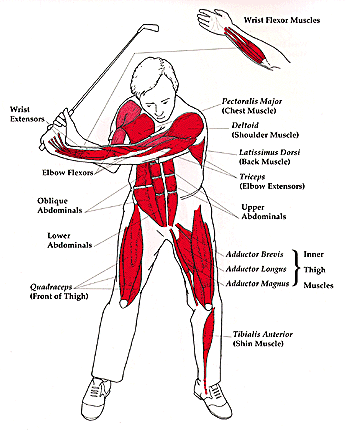
The 2nd area to focus on with distance is flexibility and strength. And in that order. Too many worry about strength and not flexibility. Being strong with good, or great, flexibility “allows” you to get in positions in your golf swing to hit the ball with reasonable distance.

As we get older, we loose our strength and more importantly our flexibility, when we start to loose our elasticity, we can no longer create certain angles in the golf swing that will allow us to create “leverage” in the golf swing which in turn produces speed and distance. Lose of knee, hip, shoulder, arm, wrist, hand, etc.. flexibility and strength will all potentially decrease distance (with all clubs).

These are the different areas you need to consider when looking to increase / maintain / minimize the loss of speed over time.

  1. Flexibility
  2. Balance
  3. Power and Strength
  4. Speed & Accelerator Producer Upgrades
  5. Pre-Round Warm Up
  6. Checklists and Tracking to Monitor Speed Increase or Maintainence

All these areas must be worked on, monitored and / or maintained to increase speed, maintain the increase and to decrease the loss of speed over time.

3.  Swing Technique

A crucial factor to get more distance is to improve your technique. It is always interesting, one of the things we do at all our schools and camps is to measure our students swing speed. We then correlate it to their driver swing speed and the average distance they should be hitting their driver. For most (those that swing 85 to 90 mph), they should be hitting their driver 230 to 240 yards (with a little roll).

For most, when they find out how far they should be hitting their driver with the speed they currently have, they are shocked. Why are they hitting it so short compared to where “their potential” says they should be hitting it? Because of technique. They are not hitting the golf ball off the “sweet spot” of the club with a “direct hit” from the club that is on the path.

In other words, they are hitting “glancing blows” that is creating side spin which is limiting or reducing the distance they should be hitting your clubs.

Working on swing technique – working on getting the club on the proper single plane / path, with a square club face through impact and ultimately, limited to no side spin, will give you the maximum distance.

In conclusion, to answer the all too common question, we get from so many of our students / customers:

How can I get more distance?

(Or as important, how do I maintain and / or limit loss of distance with age..)

Answer:

1.  Obtain new / modern clubs that FIT YOU PERFECT that has the highest technology for increased sweet spot, low center of gravity, limited wind resistance (aerodynamic), proper shaft weighting and length, perfect grip size for you, etc..

2.  Work / continue to work on flexibility (especially over the “off-season” months when so many loose elasticities because of an increased static lifestyle), work on balance and strength, work on a pre-round warm up routine, etc…

3.  Always work on improving your technique to maximize the optimal hit on the ball with limited side spin and enhanced sureness of hit.

Be watching our next upcoming SINGLE PLANE UNIVERSITY – SPEED OPTIMIZATION

To see more information about this program: CLICK HERE

A 6 week program designed SPECIFICALLY to help you increase speed, maintain speed and limit loss of speed over time.

Please feel free to contact me anytime at timg@gravesgolf.com with questions, comments, etc.
PROCESS = FREEDOM & RYDER CLUB OBSERVATIONS

By Tim Graves, PGA & Bob Ciminera

From: Bob

Many thanks to you (Paul Monahan), Tim, and James for an excellent AI School last week.  The technical teaching and the constant encouragement were very motivating to me in my quest to improve my game.

To answer your questions:

1. My key insight was that Process = Freedom.  Starting with the word Trust followed by the Big Ideas you listed above … gave me an immediate feeling of liberation as I worked on my game all the way through the short game school last week.

2.  With respect to the Ryder Cup, I had the privilege of being invited by one of my suppliers, DP World, to be a live pectator over the weekend and flew from the Short game school to be there on Saturday.   I spent about 5 hours at the match until I decided that was enough and watched the rest on TV!   

My key insight was in alignment with what Tim said during the AAI school.  There was more pressure at this event for these guys than any other event.  The crowd was every bit as loud and rude as expected.  Great shots by the US were cheered loudly but shots that on any other day would be excellent were heckled by the crowd as if they could do better.and that was for the home team.  The reverse was true for the Europe team, bad shots were cheered and good shots …well … that quieted the crowd.  Creating an ironic motivation for the away team !.  Of course that did not shut up some of the more vocal, and drunk participants which I mostly spared myself of by leaving at 230PM.  The only saving grace perhaps was that the cheapest beer was $16.

It was clear that the Europeans as a group were better prepared to deal with that.  It seemed that the US preparation had the effect of increasing pressure on the team and ultimately overwhelmed whatever processes they had as they got up to make a shot.  There were many examples of this, the most obvious one was the missed birdie putt on Sunday that was left short for the match.  

Viktor Hovland provided one of my favorite quotes from an interview before the match which exemplifies the learnings from the AAI school:  When asked how he felt about the hecking at the match, he said “There’s going to be some comments here and there.  They won’t really come close to the thoughts in my own head.”  

I felt bad for Viktor Hovland that he had to withdraw especially in light of Tim’s connection but at least he contributed to a winning Ryder cup team.

Finally, I would love to see Tim and you do a podcast with your insights on the match similar to what you did for the Masters. 

Thank you again for a wonderful program.  I had high expectations and you, Tim, and James and the Graves team exceeded them.

Very much appreciated!

Best regards,

Bob Ciminera, AAI (Mental Game School) Alumnus

Moe Norman’s Lead Thumb – The Long and Short of It

The lead hand grip is more than just where you place the club in the hand. How you place the hand is just as important. If the golf swing were a jigsaw puzzle, I would consider the lead hand position my final piece.

When I first learned Moe’s Single Plane swing, was always intrigued by how comfortable he appeared at address.  He was neither relaxed nor was he tense.  it seemed that he was both.  His lead arm was straight and rod-like as it aligned and extended with the club.  His trial arm was straight but more underneath and soft.

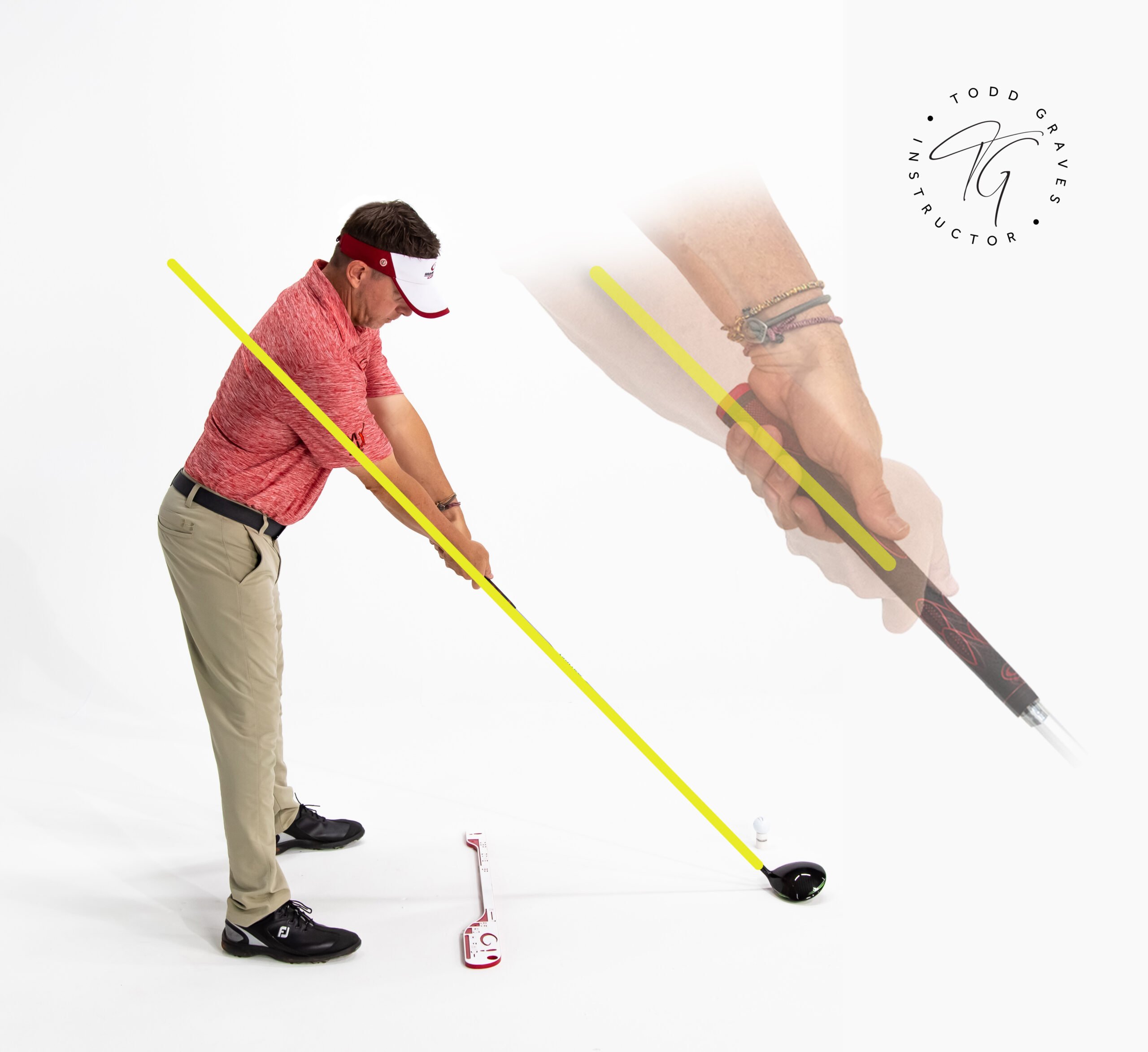
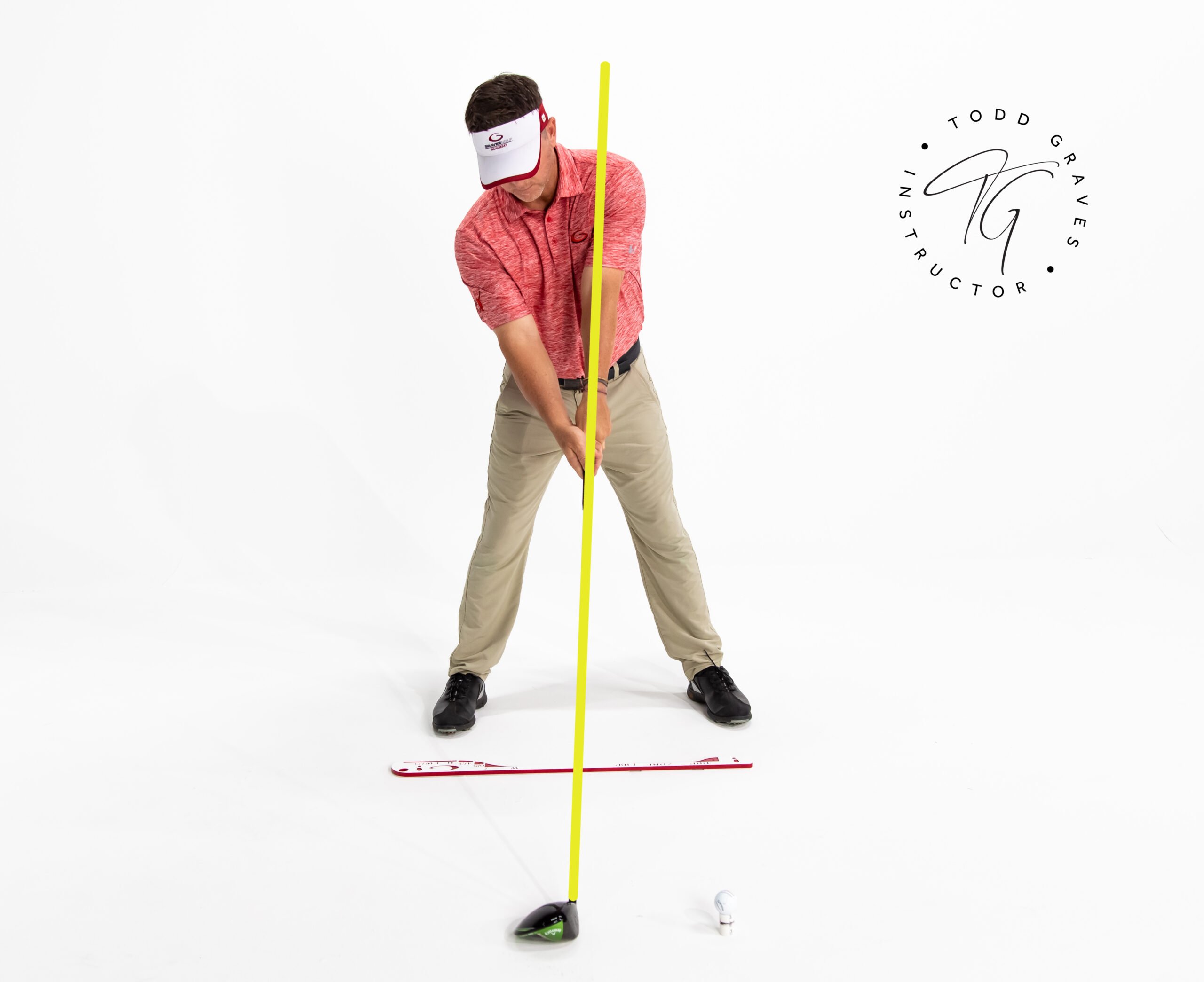
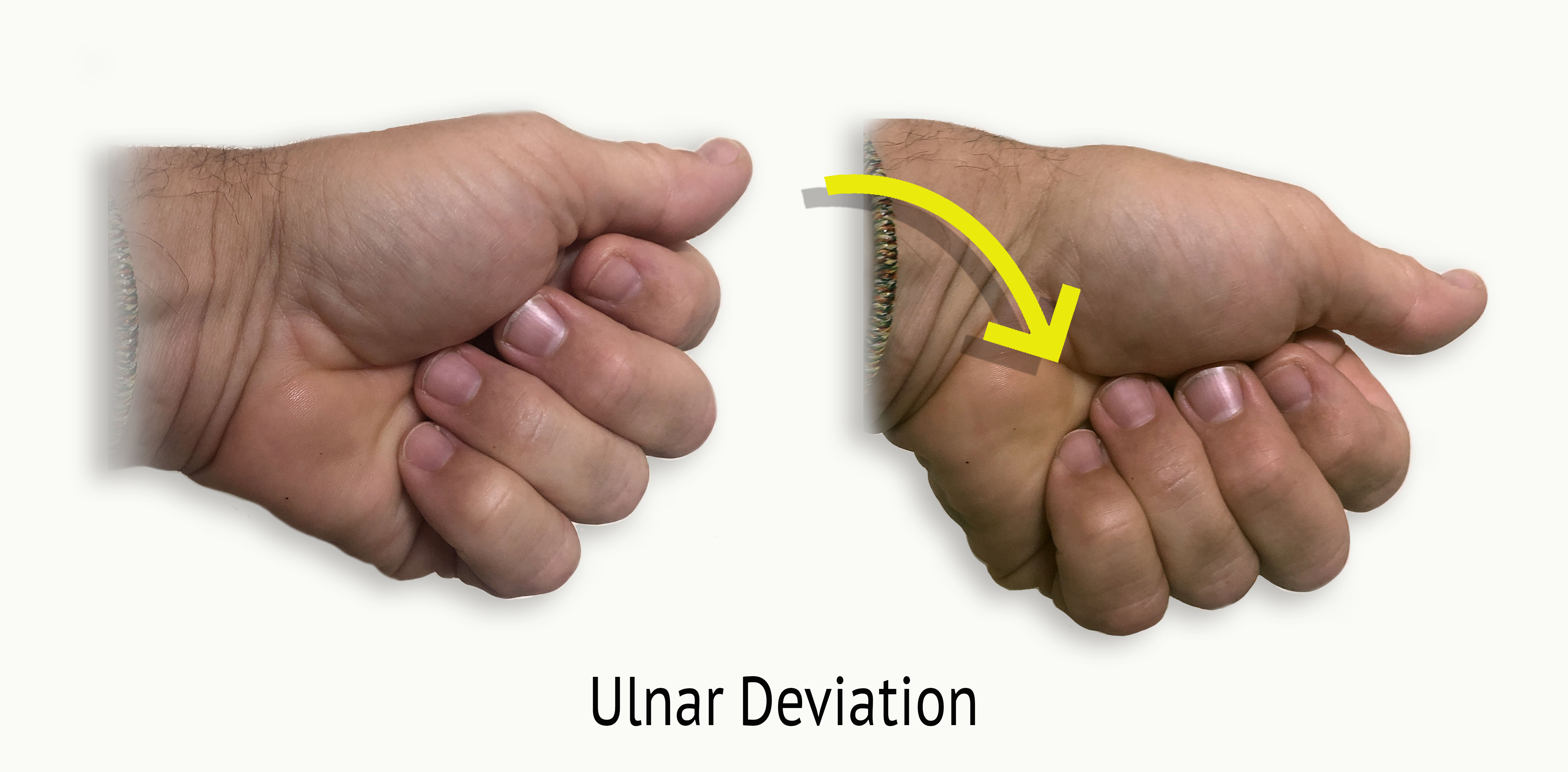
The tilt of his body created a perfect alignment of the club to his lead shoulder as he lead arm extended. Much of his lead arm alignment was related to his unhinged or ulnar deviation and lead thumb positioned down the grip.

Here is a picture of the Single Plane address where you can see the extension of his lead arm.


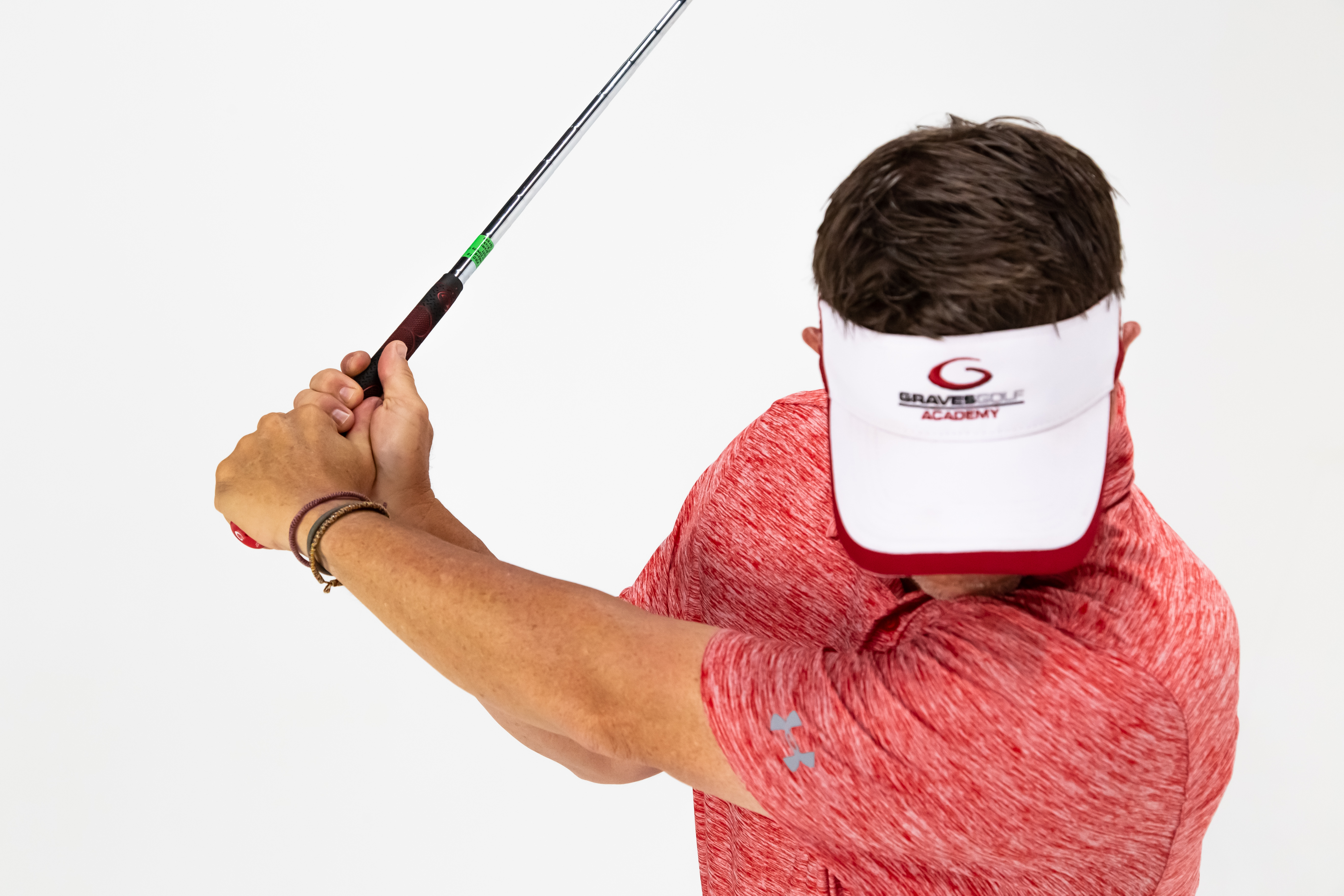
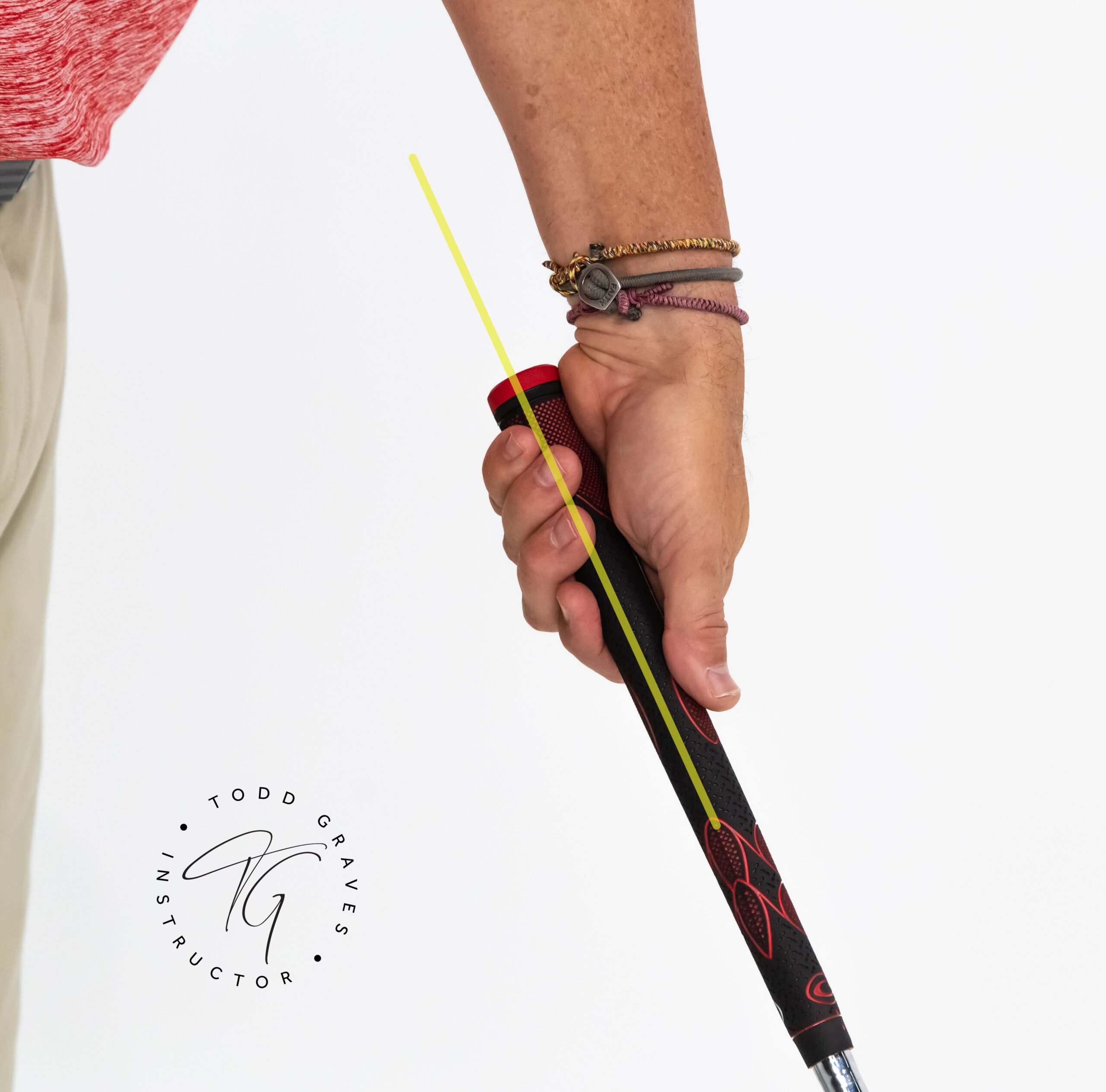
Single Plane Address Todd GravesAnd how the hand is positioned when holding the club.

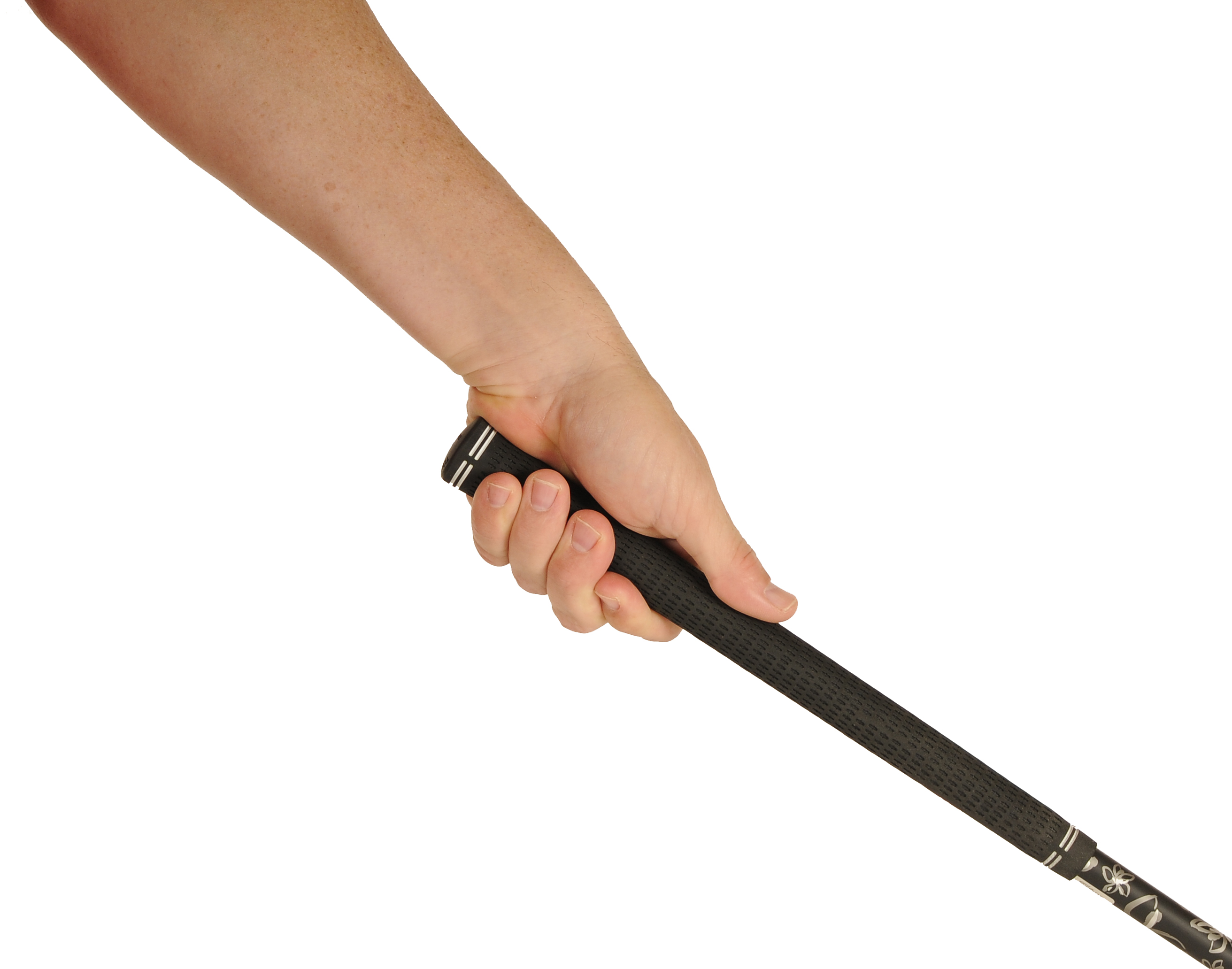
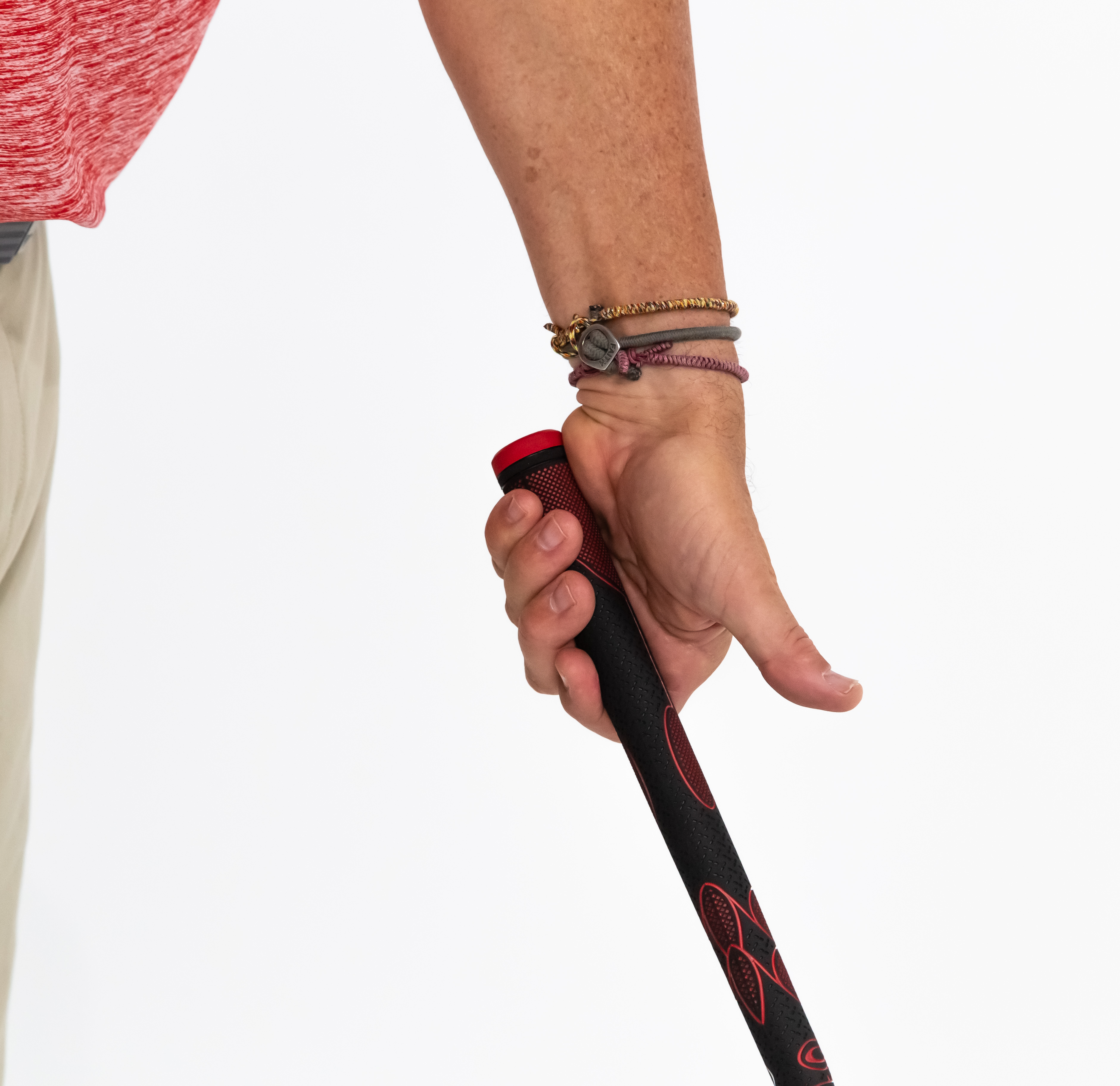
When the wrist is in the proper position, there should be no stress on the top of the wrist due to the  extended lead thumb position. The thumb is long but not extended too far down the shaft.  There is a gap between the thumb and the knuckle of the index finger where the fingers are tightly wrapped together under the club.When the wrist is in the proper position, there should be no stress on the top of the wrist due to the  extended lead thumb position. The thumb is long but not extended too far down the shaft.  There is a gap between the thumb and the knuckle of the index finger where the fingers are tightly wrapped together under the club.When the wrist is in the proper position, there should be no stress on the top of the wrist due to the  extended lead thumb position. The thumb is long but not extended too far down the shaft.  There is a gap between the thumb and the knuckle of the index finger where the fingers are tightly wrapped together under the club.


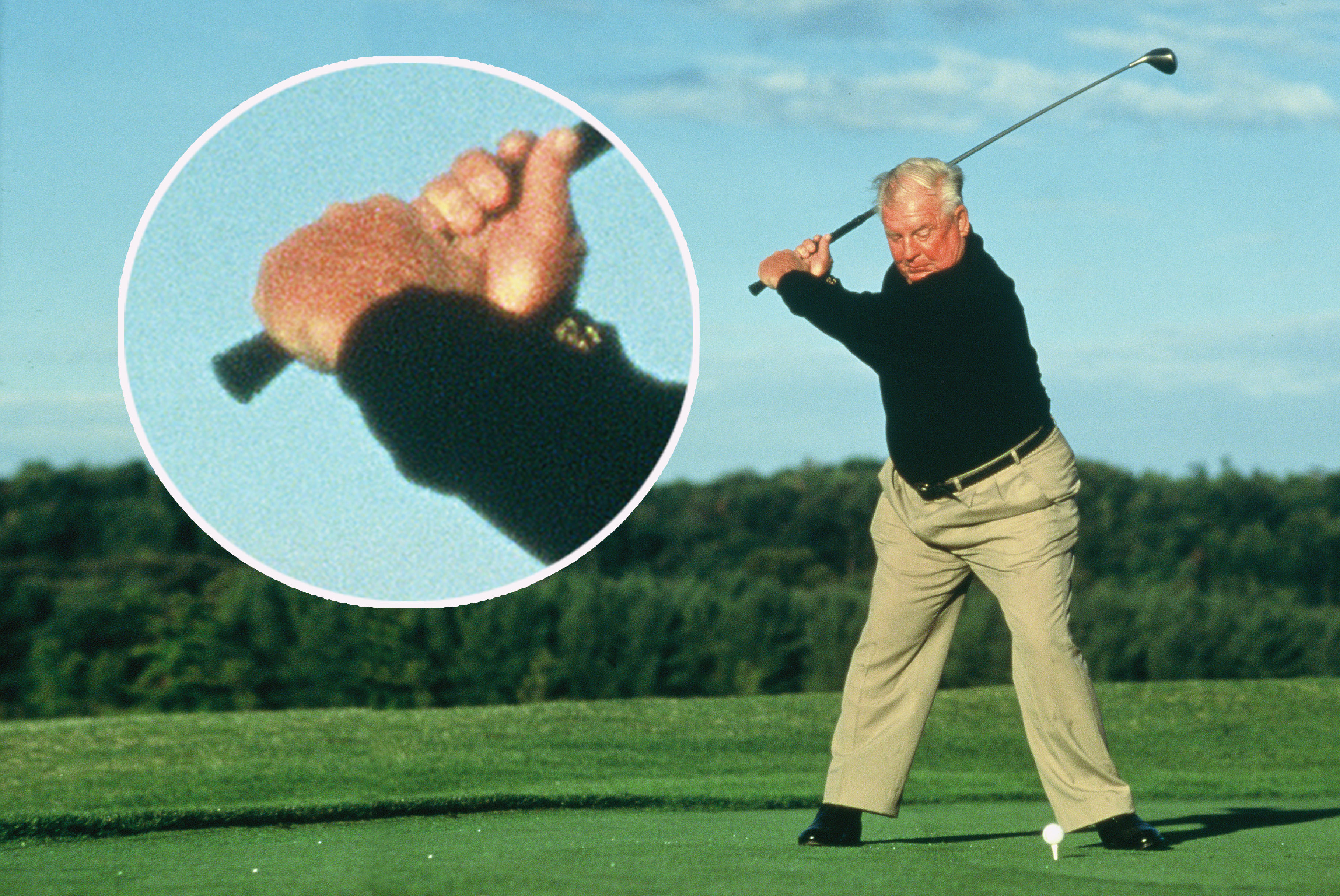
The extended thumb and wrist position at address translate into the proper hand action at the top of the backswing where the hinge of the hands leverage and support the club.


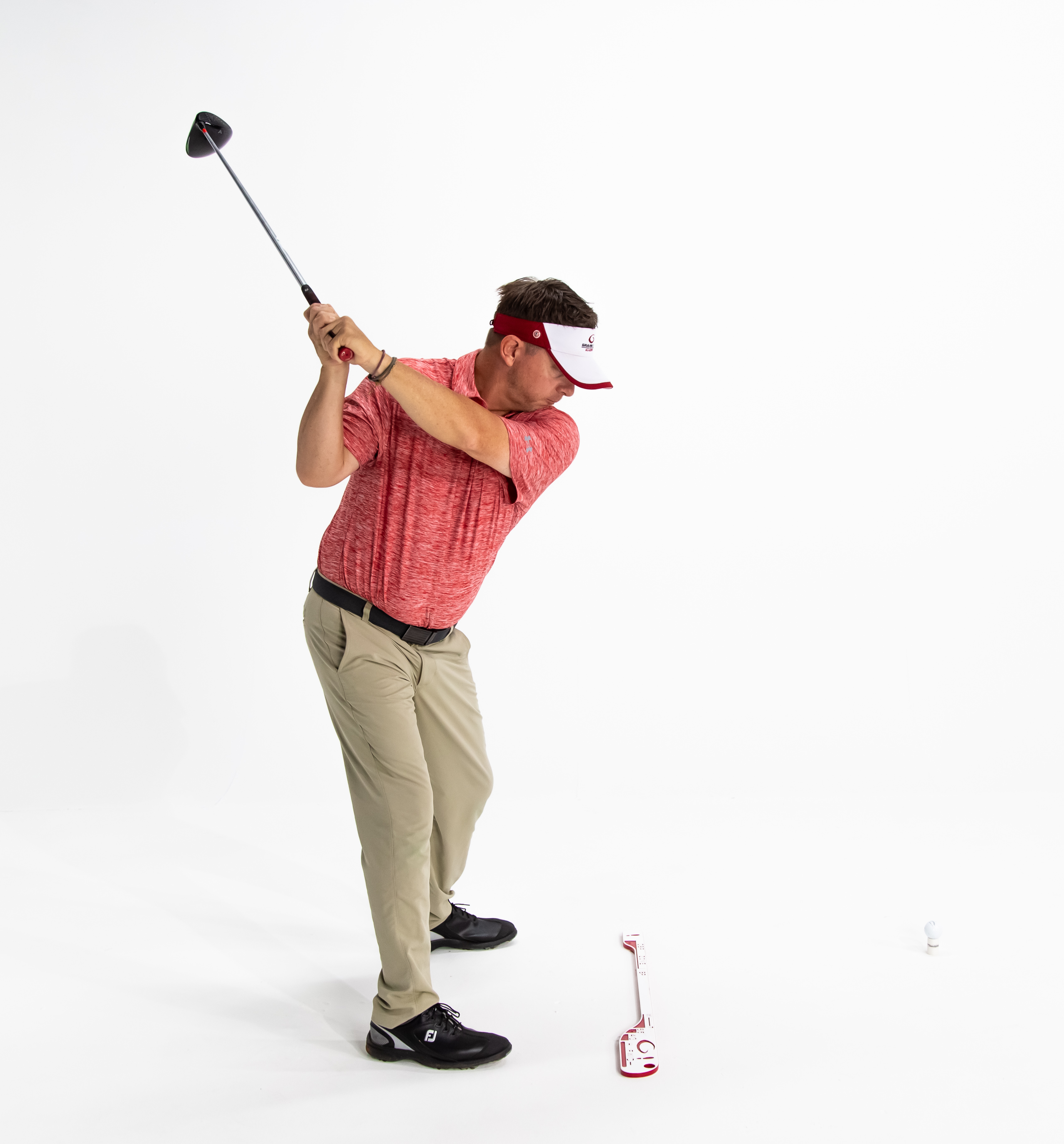
Moe Norman Backswing

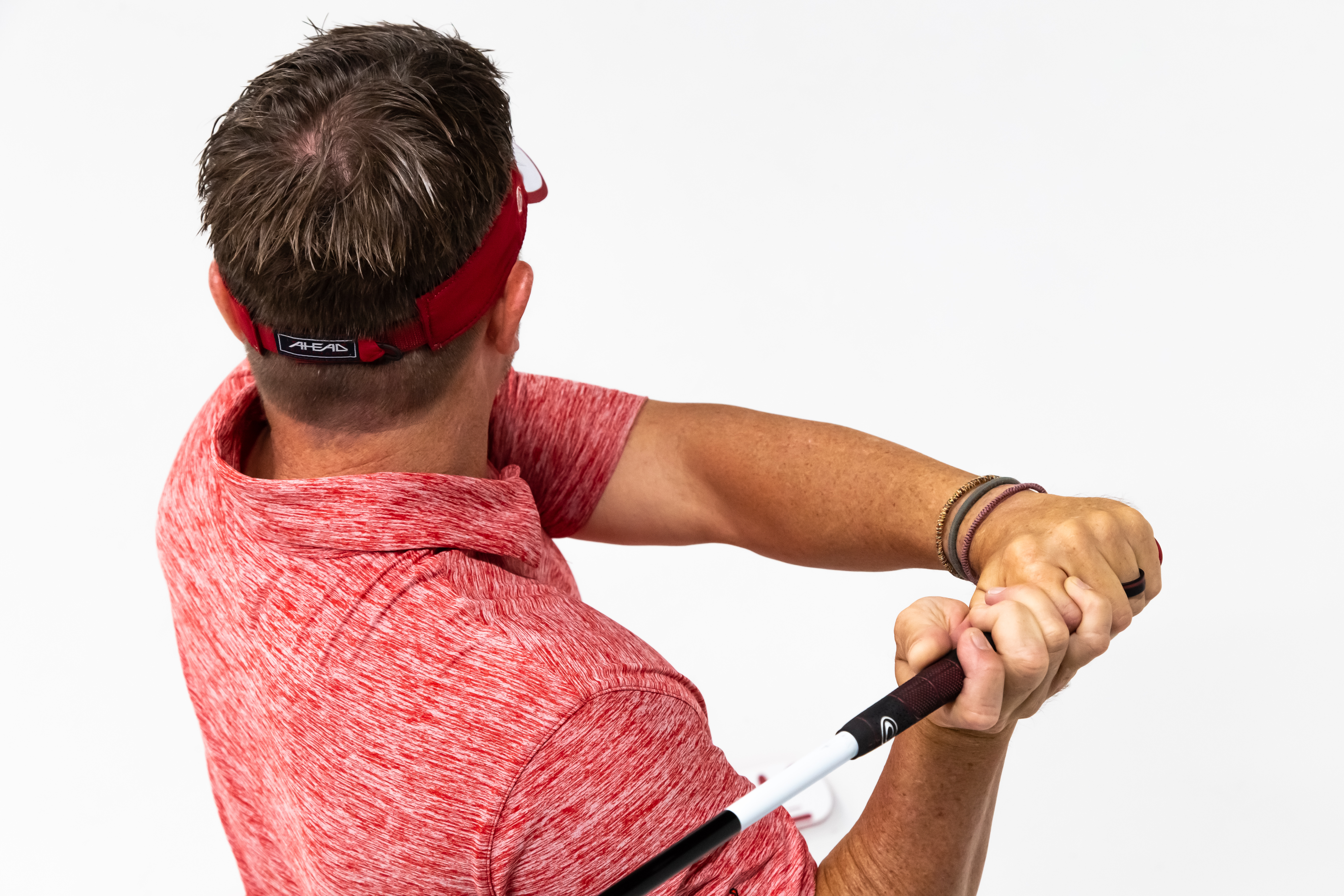
Another view of the hand position at the top of the backswing shows the pressure in the trail hand as well.

When the hands are positioned correctly they can work together and hinge correctly to the top of the swing.  This allows the club face to move correctly where it moves in rotation with the lead arm.Single Plane Backswing - Todd Graves

Achieving the ideal lead hand position was the final piece of my Single Plane puzzle.  With a little attention to the detail of where you place your lead hand, it might be your final piece too.

You can find out more about the lead hand position and every detail of the Single Plane Golf Swing in my latest DVD product, The Domino Effect – Back to Basics.

The Domino Effect – Back to Basics DVD


Moe Norman’s Lead Thumb – The Long and Short of It

The lead hand grip is more than just where you place the club in the hand. How you place the hand is just as important. If the golf swing were a jigsaw puzzle, I would consider the lead hand position my final piece.

When I first learned Moe’s Single Plane swing, was always intrigued by how comfortable he appeared at address.  He was neither relaxed nor was he tense.  it seemed that he was both.  His lead arm was straight and rod-like as it aligned and extended with the club.  His trial arm was straight but more underneath and soft.

The tilt of his body created a perfect alignment of the club to his lead shoulder as he lead arm extended. Much of his lead arm alignment was related to his unhinged or ulnar deviation and lead thumb positioned down the grip.

Here is a picture of the Single Plane address where you can see the extension of his lead arm.

Single Plane Address Todd Graves


And how the hand is positioned when holding the club.

When the wrist is in the proper position, there should be no stress on the top of the wrist due to the  extended lead thumb position. The thumb is long but not extended too far down the shaft.  There is a gap between the thumb and the knuckle of the index finger where the fingers are tightly wrapped together under the club.When the wrist is in the proper position, there should be no stress on the top of the wrist due to the  extended lead thumb position. The thumb is long but not extended too far down the shaft.  There is a gap between the thumb and the knuckle of the index finger where the fingers are tightly wrapped together under the club.When the wrist is in the proper position, there should be no stress on the top of the wrist due to the  extended lead thumb position. The thumb is long but not extended too far down the shaft.  There is a gap between the thumb and the knuckle of the index finger where the fingers are tightly wrapped together under the club.

The extended thumb and wrist position at address translate into the proper hand action at the top of the backswing where the hinge of the hands leverage and support the club.

Moe Norman Backswing

Another view of the hand position at the top of the backswing shows the pressure in the trail hand as well.

Single Plane Backswing - Todd Graves

When the hands are positioned correctly they can work together and hinge correctly to the top of the swing.  This allows the club face to move correctly where it moves in rotation with the lead arm.

Achieving the ideal lead hand position was the final piece of my Single Plane puzzle.  With a little attention to the detail of where you place your lead hand, it might be your final piece too.

You can find out more about the lead hand position and every detail of the Single Plane Golf Swing in my latest DVD product, The Domino Effect – Back to Basics.

The Domino Effect – Back to Basics DVD

Successful and Satisfied Students – Graves Golf’s only Mission

If I had to summarize the success of Graves Golf this recent testimonial says it better than I ever could – and makes every bit of our efforts worthwhile.

Hi Tim,

I am going to send you two emails. The second has to do with my swing trainer. But before I forget to do this, I want to say a couple of things. I attended the one day single plane training in Anaheim with Pat on September 27th. And I just followed up with another one on one session with Pat on Tuesday, Christmas eve. I was the only student at the all day session. At first I was concerned about being the only student, but I just wanted to tell you what a fantastic time I had. This experience was supplemented by my 2nd session just a couple of days ago. I wanted you to know, which I am sure you do, that I think Pat is tremendous. He is smart, patient, funny and absolutely a tremendous representative of your golf philosophy and your company. Time literally flies by when I am with him. He constantly refers to you and to Todd regarding the positions, the process, how to practice, how to score better, etc. You have a great person in Pat working for you. And of course, he has no idea I am writing this to you. On a 2nd note regarding using your system. I picked up golf again exactly 20 months ago when my then 19 year old son stared working at a local golf course. I had played in my early 20s, but stopped for over 30 years when I started my company. I am now 65 and am an absolute fanatic of the game. I tried multiple different web training sites and took lessons from a pro on how to increase my swing speed. All of these were not only not helpful, the swing speed coaching just about ruined my low back. I stumbled across one of Todd’s YouTube videos regarding how a shorter backswing will produce better results. From there, I have completely adopted the system. I now regularly hit the ball further than I have ever done in the past. I make much better contact and much more consistent contact that I have ever been. I see improvement in my swing almost weekly. My scoring still sucks, but I am beginning to focus much more time on my short game, so I know the results will come. I know everyone says to concentrate on your short game, but when you are hitting every drive less than 200 yards, as I perviously was, you have to improve that part of the game as well. I truly love hitting golf balls now. I have so much more confidence that I will make solid contact and the ball will go (for the most part) where I am aiming, that the overall confidence in my game just keeps rising. Thank you and Todd for this. It is a great system, your videos and all of the content on the web site and YouTube are great as well. If you ever need a reference, I’m your man. Cheers,Nelson Greenwood

I am proud of the Graves Golf team is always working to help our students find their fastest path to great golf.  As the earth makes a final rotation for 2019, it makes for a great time for reflection. Speaking of rotation, let’s go full circle to the beginning of the year and review five great moments.

7. The Feeling of Greatness – 28 (more) Interviews 

Moe FOG

Heading into our second year of production, the Feeling of Greatness Documentary is entering into Post-production after the team, lead by Barry Morrow – Academy Award writer for Rain Man and Producer Nathan Edwards, acquired twenty-eight additional interviews of Moe’s family and friends.  You can find out more about the Moe Norman Documentary at www.thefeelingofgreatness.com.

Website: http://www.thefeelingofgreatness.com

6.  The AAI Golf School

With the help of Paul Monahan, Graves Golf’s Performance expert, the Alert Attitude of Indifference School (AAI) has become one of our most popular offerings.  Here is what students are saying about the GGAAI school:

Student: Rich R.

Just a short note of appreciation to Paul, Chandler, and yourself for a wonderful experience at the recent Alert Attitude of Indifference school in Phoenix.

You recall that I questioned the value of the school and was not certain that it was worth the time or money.
The exercises, drills, and practical applications were extremely valuable to apply immediately and build on in the future.

If anyone is doubtful about the value of the training – I suggest they visit with some of the folks who have attended the school.

A former doubting Thomas

Again thanks for a wonderful experience 

Rich R

Student: Jack G.

I am a 69 year old low teen handicap golfer who is “stuck” to get the next 5-6 shots off my handicap. If frustration and confusion are part of your game, the tools acquired at the AAI School instructed by Paul Monahan with assistance and coaching from Tim Graves and Chandler Rusk – May be for you………I now have a toolbox that will provide me the skills to get out of my own way (Stop Overthinking), replace frustration with gratitude and get back to the basic concept of why I took up the game 40 years ago – To Have Fun!!!  Isn’t that why Moe was so successful? Because he “played the game” and had fun!!

You will leave this school with a new appreciation of yourself, your life and your golf game. 

Jack G

To find out more about the next GG AAI School – you can visit the school pages here: http://moenormangolf.com/schools/2-day-alert-attitude-of-indifference-school/

5. Todd Graves YouTube Channel

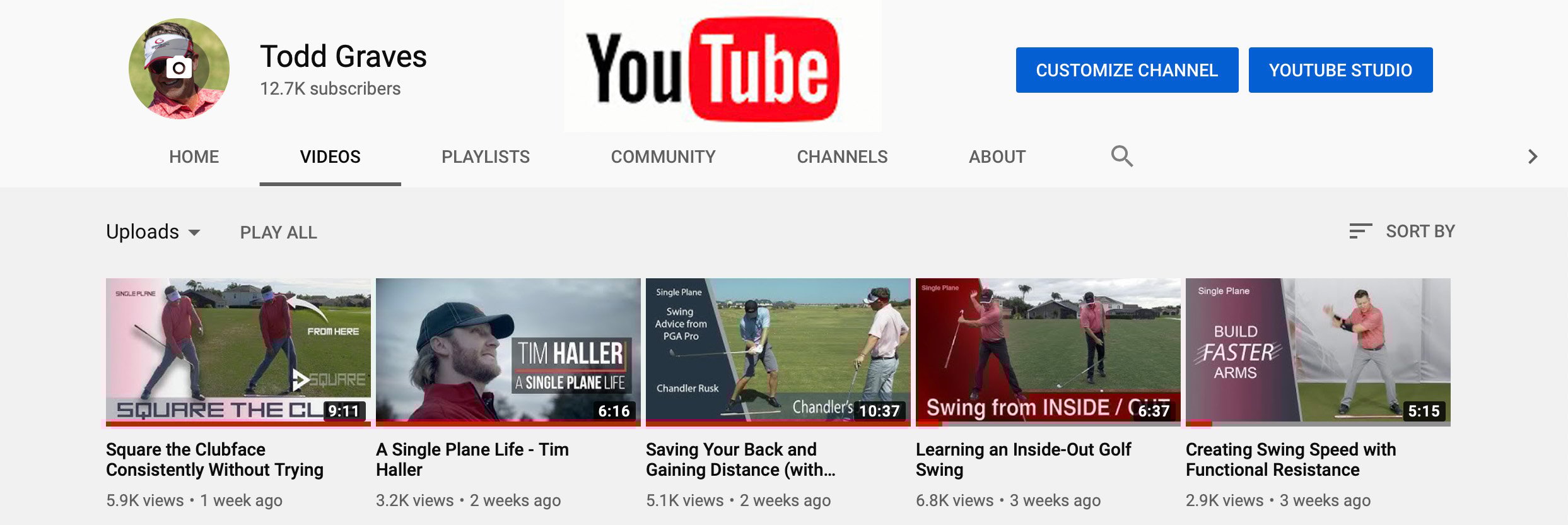
Moe Norman and the Single Plane swing expand to YouTube this year with the Todd Graves Channel.  The channel gained over 10,000 subscribers in just four months.  The channel is a great creative outlet for teaching people about the uniqueness of the Single Plane instruction.

http://www.youtube.com/c/ToddGravesGolf

4. Excalibur and H3

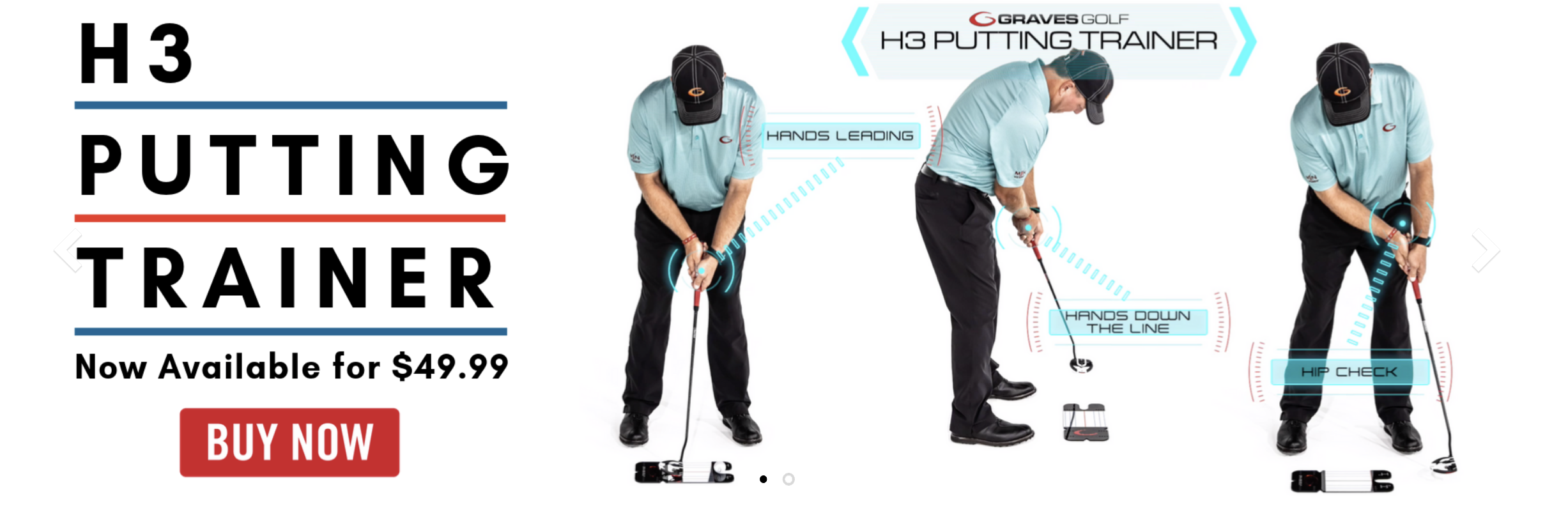
On a mission to help golfers lower their scores by improving the most important scoring part of the game, Tim Graves developed the Excalibur and H3 putting trainers designed help you implement the Graves Golf fundamentals.

Purchase it here: http://bit.ly/2MxCBVV

3. The Swing Thing

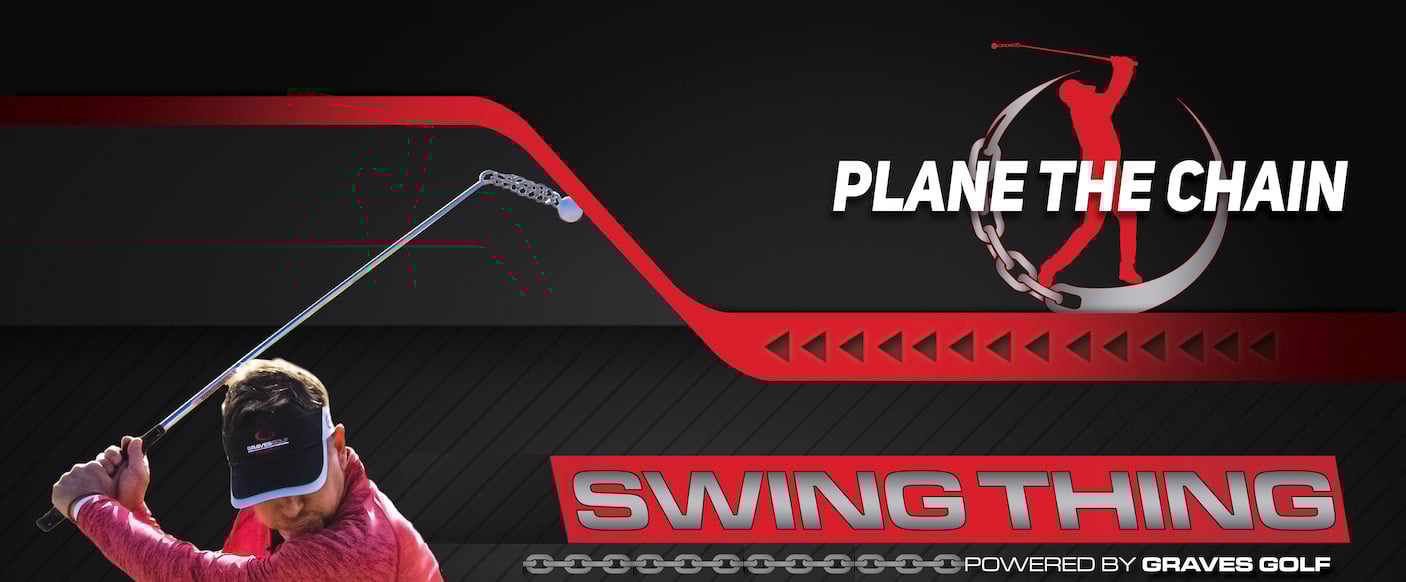
This year Graves Golf Introduced the Swing Thing – a product designed to teach the proper sequence of the golf swing and one of the most difficult parts of swing motion – the release.  It is impossible to swing the “Thing” incorrectly.  The design helps you feel swing plane when you Plane the Chain.

Purchase it here: Right Handed: http://bit.ly/39mfMOO Left Handed http://bit.ly/39kVa9i

2. The Single Plane Life

Why do you play? Is golf important to you? This year we introduced the Single Plane Life. The Single Plane Life is a life where you have fun playing golf again which makes you enjoy your time playing golf.  Great golf, fun on the course and with friends, this is the Single Plane Life.

See Tim’s video here: https://www.youtube.com/watch?v=g0qCxxD2xJg

1.The Acquisition of Moe Norman

This has been an exciting year for Moe Norman as well.  For the past twelve years, the Moe Norman brand has been in great hands thanks to Graves Golf.  After a brand purchase arrangement with the Moe Norman Estate, Graves Golf has acquired all of the intellectual property rights to Moe Norman. Now the future is in our hands as well.

The Two Lines and Tension Points of the Single Plane Swing

I spend much of my time stressing the importance of the Single Plane starting position.  It has been my experience that when I am unstable or uncomfortable at address, my ability to strike the ball solid and consistently decreases dramatically.  When I feel perfect at address, I am a great ballstriker.

I believe that many golfers take the address position for granted and focus more attention on the motion of their body during the swing.

The address position is more than just standing beside the golf ball holding the club.  There are important elements that must be present to engage the body ensuring that the first motion into the backswing, what I call the first move, sets the entire golf swing into the proper sequence.

Club to Body Spatial Relationsihip

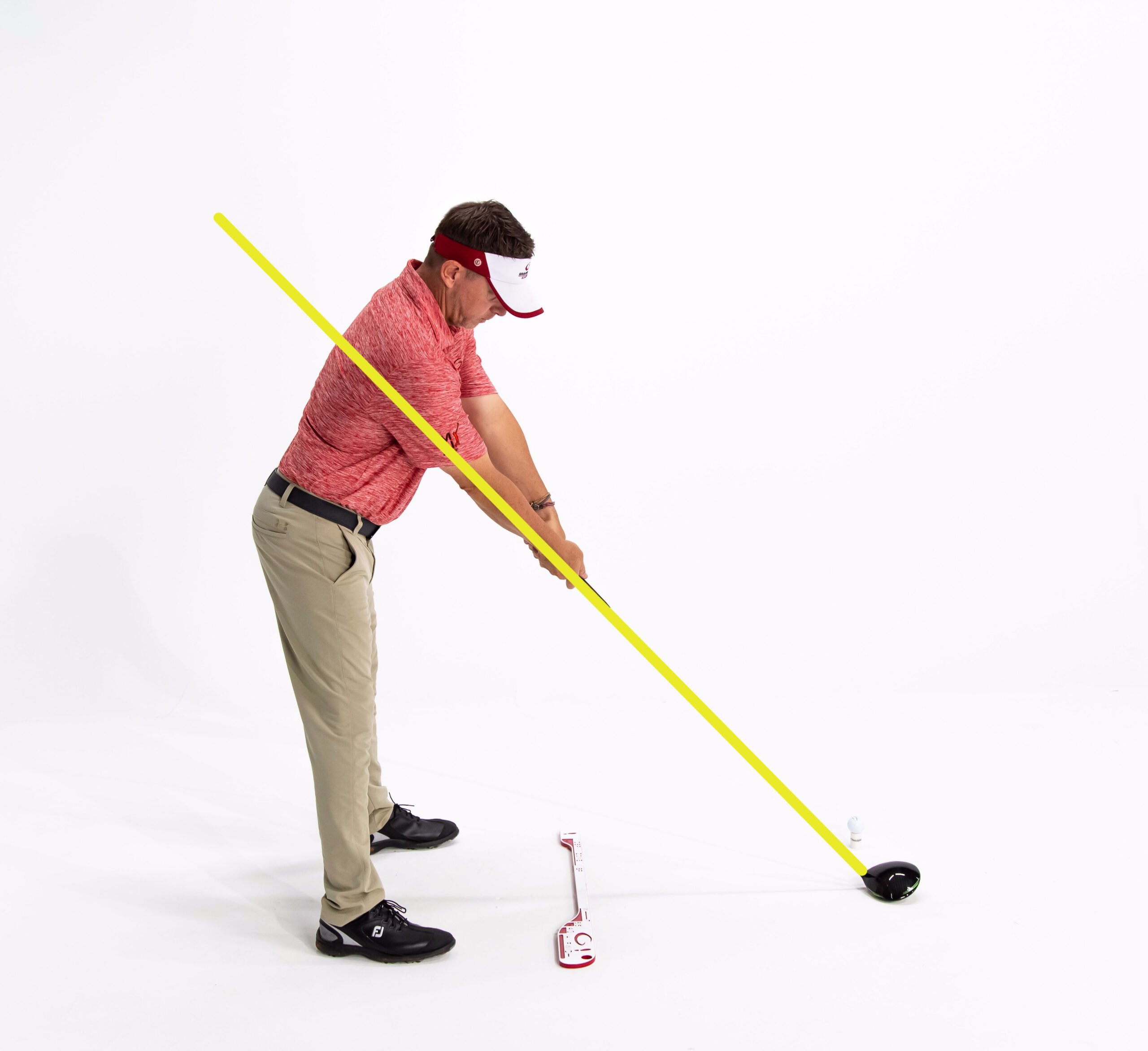
At address, there are two straight lines formed between the arms and the club.  These two lines form a “club to body” relationship.  The relationship is spatial allowing the arms to easily return the club to impact.  Let’s take a close look at these two lines and the relationship that is formed.

Down-the-Line (Single Plane) – the First Line

Single Plane Address Line from Down the Line

This angle shows the alignment of the club with the trail arm into a straight line.  The club is NOT aligned with the lead arm from this angle.  If I removed the trail arm from the club, the club would align below the lead arm.

Single Plane showing Trail Arm and Lead Arm

This is due to the club being held in the fingers of the lead hand into the heel pad.

Single Plane Lead Hand Fingers
The Single Plane Swing and Lead hand position

Face-on-View – The Second Line

The second line can be seen from the face-on perspective where the club shaft aligns with the lead arm to the lead shoulder.

Single Plane Face on View

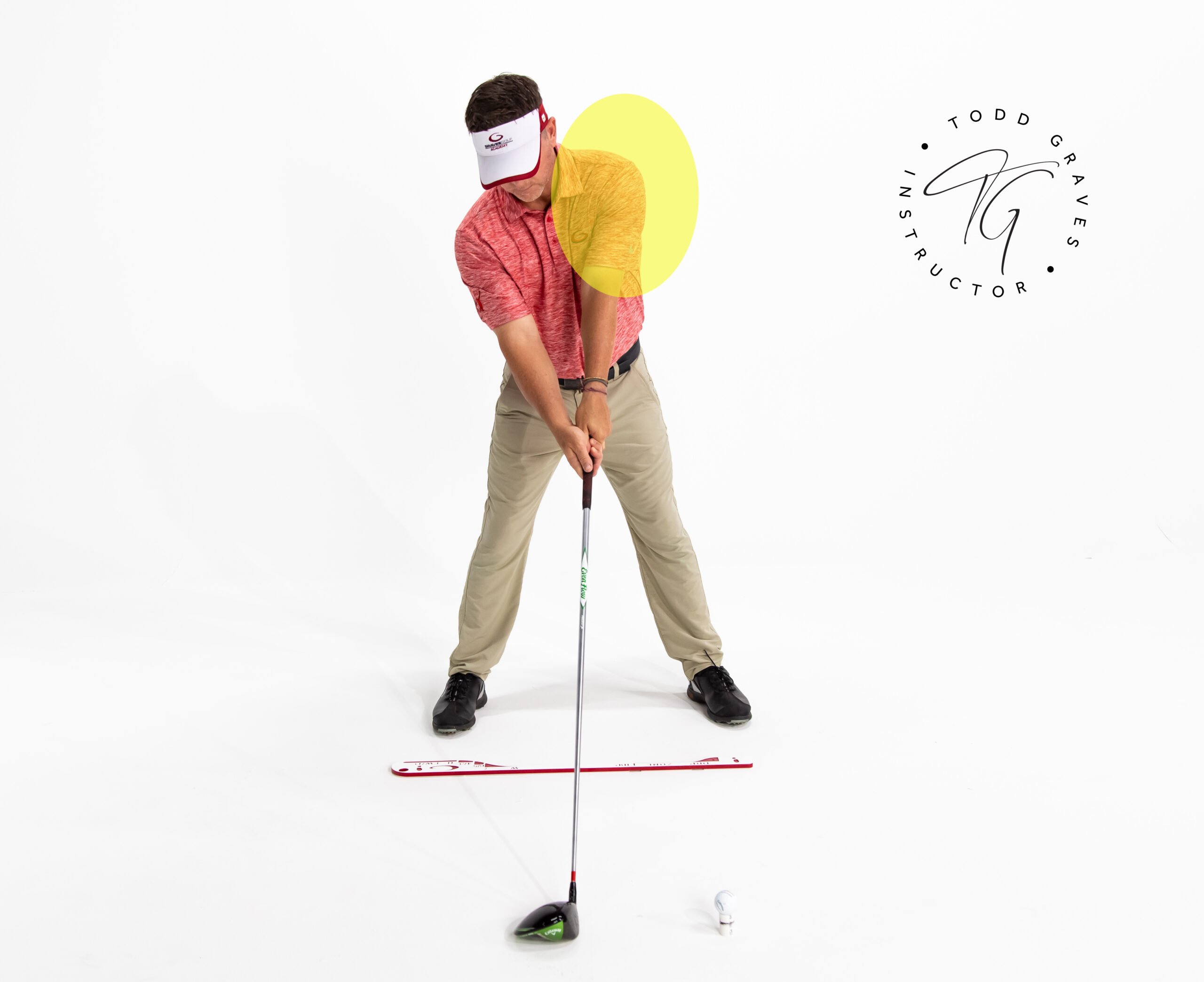
This alignment is a function and created by the tilt of the body.  The tilt of the body lifts the shoulder where you can see the extension which is where tension is felt. This is the area where the body feels engaged and ready to move.  The motion of the swing starts at the lead shoulder area because of this tension.

Single Plane Lead Shoulder Position

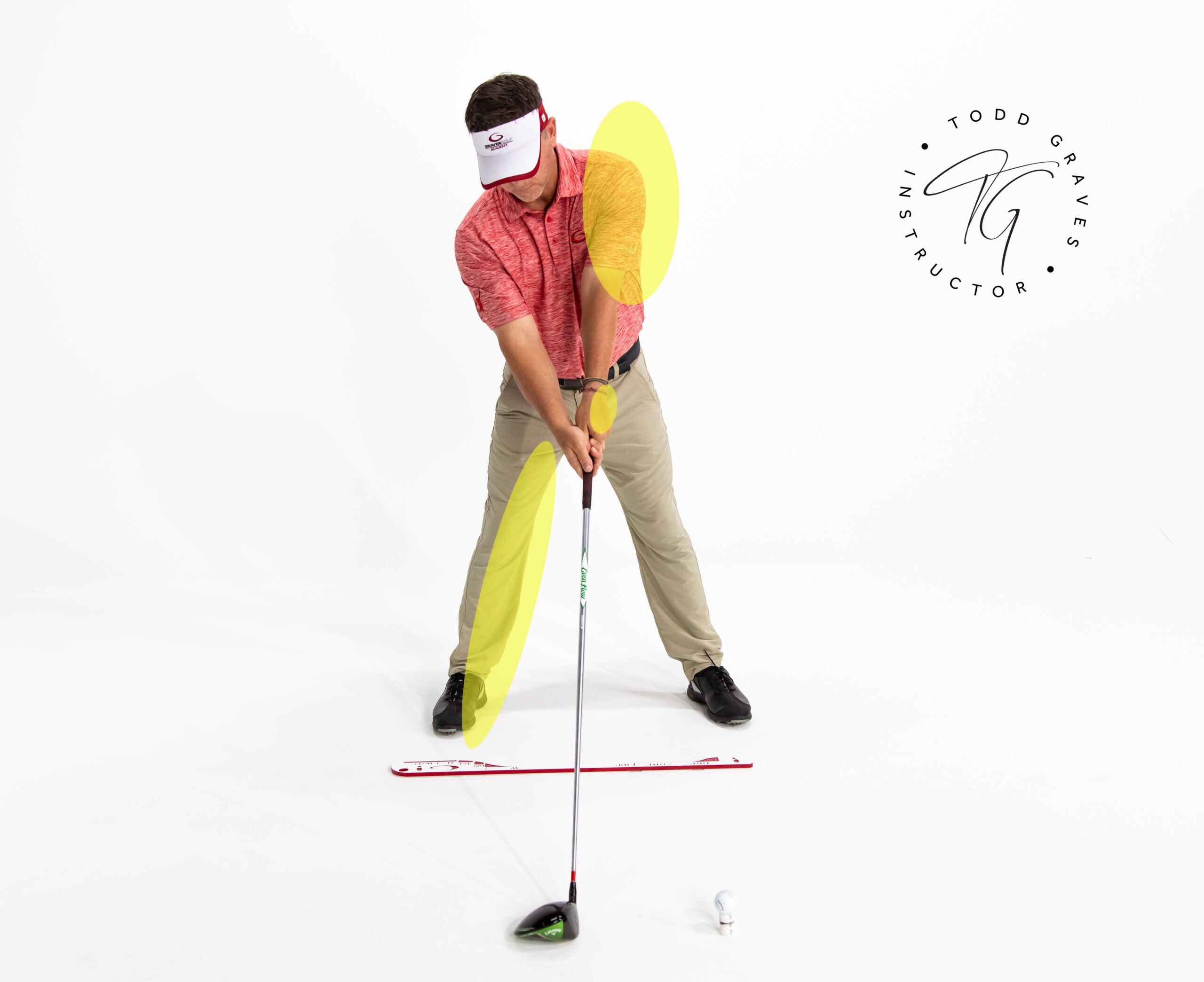
When the body is engaged, there is tension as various points feeling as though at these places you are in a “ready” state.  As the body prepares to make the first move into the backswing, with the proper tension at these places, the body is stable.  Stability at the correct places allows for the proper movement sequence.

Single Plane Swing Places of Tension

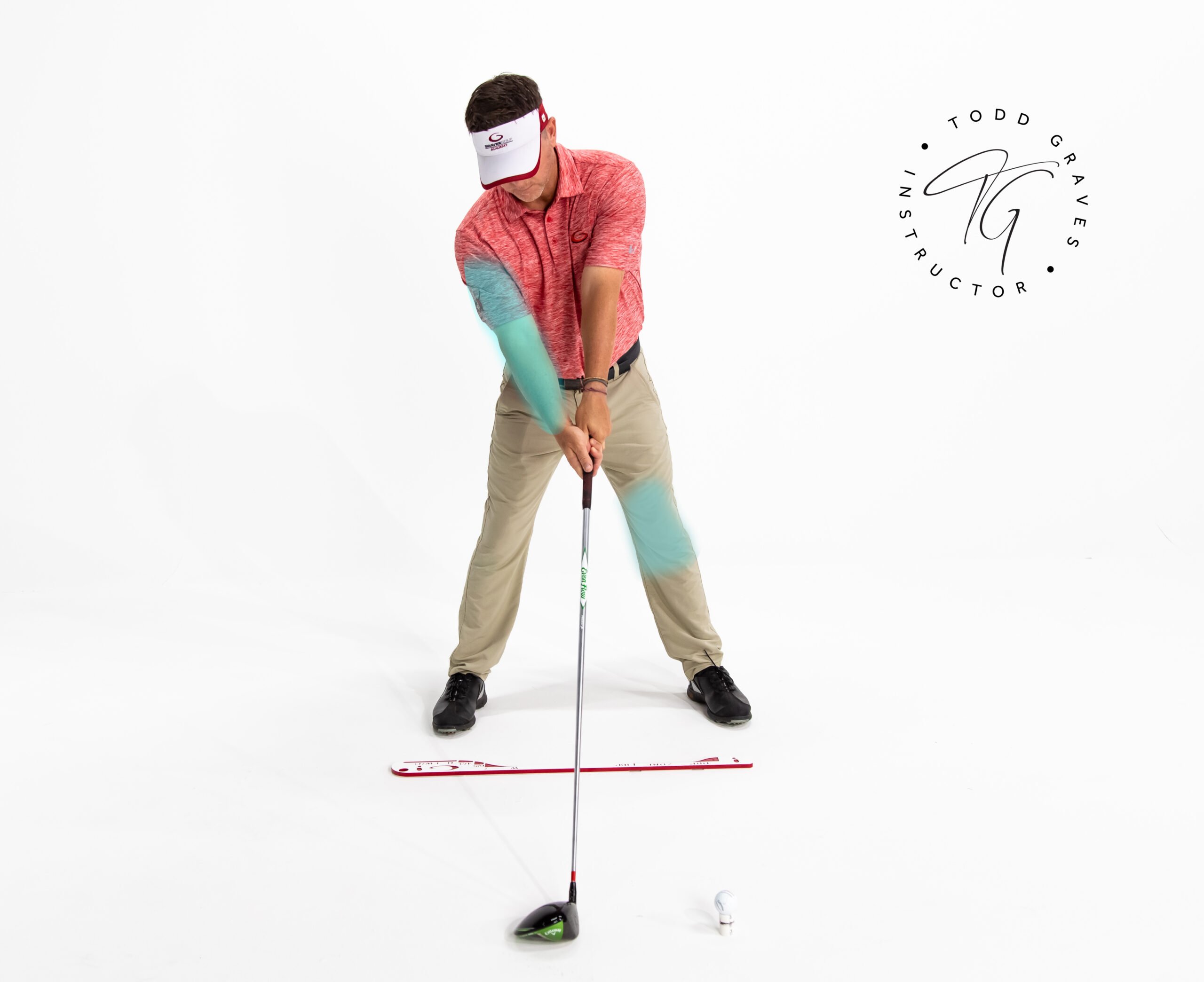
With the tension and stability in the correct areas of the body, there are also places that are relaxed, mostly in the trail side.  Instead of tension, these areas are “soft” and relaxed. See the diagram where the blue shaded areas mark the places in the body were there is very little tension. Single Plane Relaxed areas

With the body engaged and relaxed in the correct places, you are ready to initiate the correct movement into the backswing.  Each aspect of the body’s position promotes proper movement.  The details of these aspects are an important part of biomechanics and swing sequence.  You can find out more about how each detail of the swing affects the swing in its entirety in my latest DVD product, the Domino Effect, Back to Basics where I discuss, in detail, each aspect of the Single Plane Golf Swing.

The Domino Effect – Back to Basics

Graves Golf Domino Effect


LEARN

THE

SWING

Join 1M+ Subscribers to get your FREE Video Quick Start Guide that reveals how to hit the ball farther and straighter more consistently from now on…

START YOUR NEW GOLF SWING