By Tim Graves, PGA
I wanted to start a section in each newsletter that talks about custom club fitting. In upcoming newsletters, I will be describing / breaking down each club in the bag and why and how that club should be custom fit (in much more detail).
As most of you know (by now..), your clubs must fit the swing you are working toward. If they do not fit you, it is very difficult to make swing changes and / or those swing changes will be slowed dramatically. I like to call it “taking the excuses out of the bag”.
But, before I start going through each club in the bag (future articles), I wanted to start with the “Top 5 Club Fitting Mistakes” you see in many golfers bags.
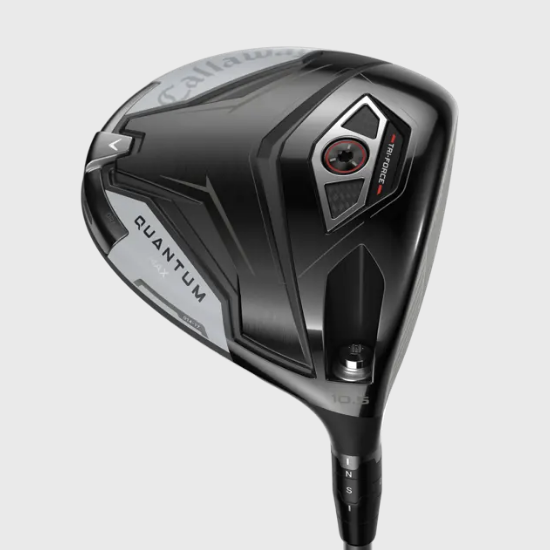
1. Driver
The first most common custom club fitting mistake with the driver is not enough loft for the driver for a golfer’s fit. The optimal loft of a driver for a golfer will give that golfer maximum fly and maximum roll for their swing speed.
Examples:
Hit a 6 iron 150 to 160 yards: Driver should have 10.5* loft
Hit a 6 iron 120 to 130 yards: Driver should have 12* loft
2nd most common mistake with drivers is shafts that are too heavy for the golfer. Golfers want more distance and forgiveness with their driver. With the appropriate loft, a lighter shaft will help many golfers get more distance with their driver.
40 to 50 grams is considered a “Light weight” shaft and 50 to 55 grams is considered a “mid weight” shaft. Many golfers have 60 gram or heavier shafts in their drivers and need lighter weight shafts (especially those with senior and regular flex) and wanting more distance with the tee ball.
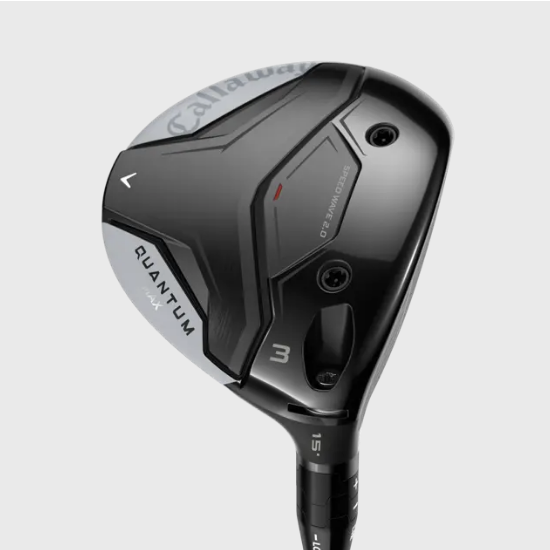
2. Fairway Woods
The most common mistake with fairway woods is golfers do not have enough loft (for maximum distance off the ground) with their longest fairway wood.
In other words, most golfers SHOULD NOT carry a 3 wood (unless they use this 3 wood primarily off a tee).
To hit a 3 wood (15 to 16* loft) appropriately (maximum fly and roll) you need to be able to hit you 6 iron at least 175 yards on the fly…
Most will hit a 5 wood (or 7 wood) further than their 3 wood off the ground. They need the loft of the 5 wood (18 / 19*) for maximum fly and roll.
(FYI – even most professional golfers will hit a 17* / 18* fairway wood off the ground as their longest fairway wood… then why do so many average golfers hit a 15* fairway wood off the ground and get “poor” results..)
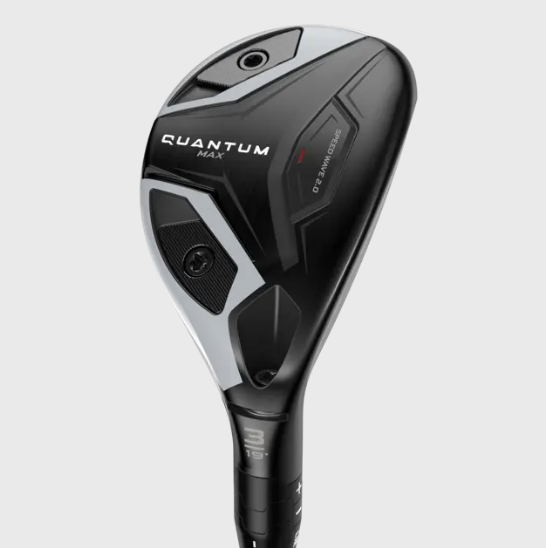
3. Hybrids
The most common mistake is golfers DO NOT have their hybrids fit / customized for their individual lie angle. Golfers MUST have the lie angle adjusted / fit for their size and swing. For most, lie angles of their hybrids are too upright, and golfers “heel dig” their hybrids and either top, pull or hit poor shots with them. This is why so many golfer can hit their hybrids “okay” out of the rough, but have difficulty hitting them off of fairways or “tight” lies.
Hybrids MUST be fit for the lie angle for an individual golfer. If not, the hybrid is working AGAINST the golfer.
Very few golf equipment companies fit / adjust lie angles for an individual’s size (Callaway is one, that is why their customization process is rated so high).
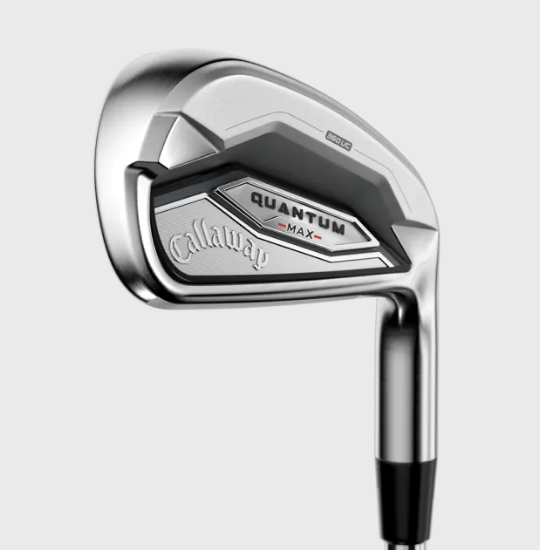
4. Irons
Honestly, there are many common mistakes when it comes to golfers irons (length, lie angle, flex, etc..) but for this article – will focus on one…
The most common mistake with irons is golfers do not have correct shafting in their irons.
Correct shafting in irons (and all clubs) allows for the correct height and flight of the golf ball for the golfer. Having the correct / appropriate height gives the maximum and optimal distance for irons for that golfer.
And correct shafting “protects” golfers. For a majority of golfers (over 40 years of age… younger for some) – they need a shaft that does not damage or protects the body. Graphite shafting in irons protects the body.
Graphite shafting for golfers has the following characteristics:
- Much easier on body – will protect elbows, shoulders, wrists, back, etc..
- Will be more forgiving on golf shots (thin and heavy shots will go further, react better with graphite).
- Are more consistent – especially over time. Graphite is by far the most consistent material in shafts compared to steel.
- Will allow for increased distance as graphite shafts in irons can be lighter and kick the ball up higher than steel.
5. Wedges
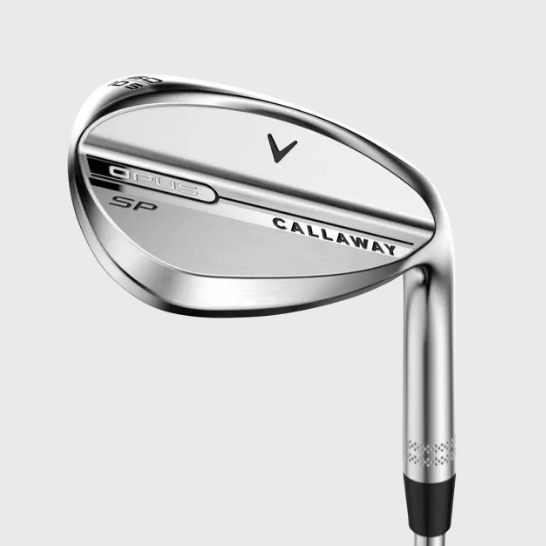
The most common mistake with wedges in most golfer’s bags is wedges not being fit at all…
For most golfers, when talking about the Gap, Sand and / or Lob wedge, they think they can purchase these clubs “off the shelf” in their local club shop and they are good to go…. that can not be further from the truth.
Wedges must be fit to an individual for length, lie angle, shaft flex (and weight), grip size, lofts, etc..
Think about it… you are hitting a chip or pitch (1/2 shot or less) with your wedge and you “heel or toe dig” the wedge because it isn’t fit properly. That club is going to twist in your hands… you will push, pull, chuck, or even shank the shot.. not because of poor technique, but because of an improperly fit wedge.
It always amazes me how many golfers I watch “chunk” chip / pitch shots (in my pro-ams) with improperly fit wedges for them and they get so upset…. without realizing they really have very little chance of hitting those short game shots well with improperly fit wedges…
Again – as I like to say… “You must take ALL excuses out of the bag”
If you have any questions about your fittings / individual fit, please feel free to email direct at timg@gravesgolf.com
If you would like a free individualized custom fit for you – please see: CLICK HERE
or
Please feel to email me at timg@gravesgolf.com