Choose 5 Minutes a Day Over an Hour a Week – Tips for Improving Part # 5

Choose 5 Minutes a Day Over an Hour a Week – Tips for Improving Part # 5

By Tim Graves, PGA

Hopefully you were able to read the last 4 practice tips – Tips for Improving (Part 1, 2, 3 and 4).

In those practice tips we discussed how we work with our students to create new habits rather than breaking old habits. It is essentially impossible to break bad habits (our mind/body is not set up that way) … but we are set up to be able to create new habits and ultimately make changes/create new movements, etc.  we want.

We talked about a book we strongly recommend – The Little Book of Talent / 52 Tips for Improving Your Skills by Daniel Coyle

It is described as a manual for building a faster brain and a better you. It is an easy-to-use hand book of scientifically proven, field tested methods to improve your skills – your skills, your kids’ skills, your organization’s skills – in sports, music, art, math and business. The product of five years of reporting from the world’s greatest talent hotbeds and interviews with successful master coaches, it distills the daunting complexity of skill development into 52 clear, concise directives. Whether you are 10 or 100, this is an essential guide for anyone who ever asked, “How do I get better?”

The last instructional newsletters (Tips for Improvement Part 1, 2, 3 and 4) we talked about the following tips

  1. Staring at who you want to become.
  2. Spending 15 minutes a day engraving the skills on your brain.
  3. Stealing without apology.
  4. Buying (and keeping) a notebook.
  5. Be willing to be stupid
  6. Choose spartan over luxurious
  7. Before you start, figure out if it’s a hard skill or a soft skill
  8. To build hard skills, work like a careful carpenter
  9. To build soft skills, play like a skateboarder
  10. Honor the hard skills
  11. Don’t fall for the prodigy myth
  12. How to pick a high-quality teacher
  13. Finding the sweet spot
  14. Take off your watch
  15. Break every move down into chunks

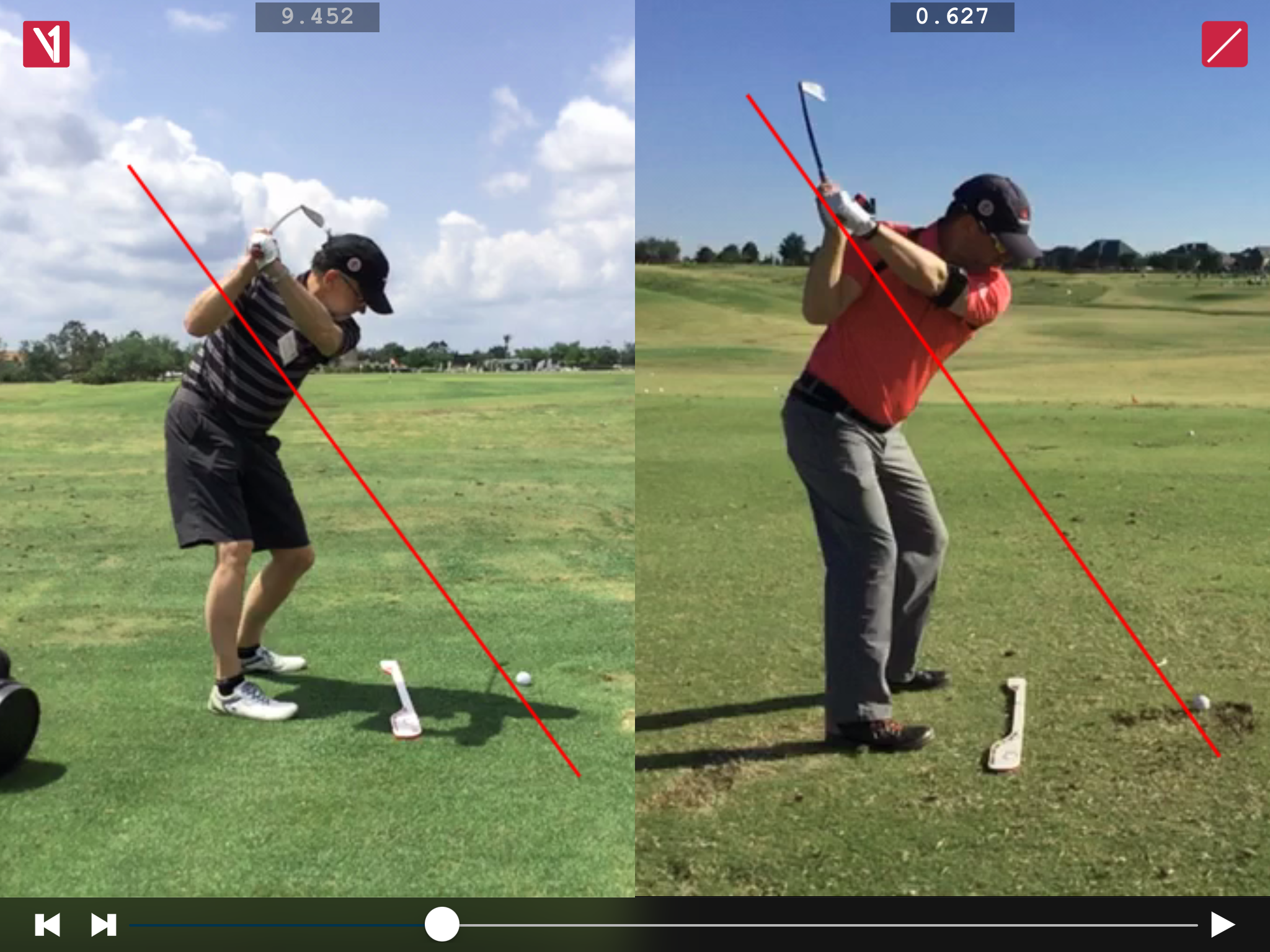
This instructional newsletter (Part 5) we cover the next 5 tips for improving your skills and relate them to you learning/working on your single plane swing and golf game.

16.  Each Day, Try to Build One Perfect Chunk

Remember, a “chunk” is viewed a new habit or part of a new habit you are trying to create.

Many regard practicing as a success. But, the goal is not merely practicing, but rather progressing. As John Wooden put it, “Never mistake mere activity for accomplishment”.

The Talent Code recommends setting a daily S.A.P:  smallest achievable perfection. In this technique, you pick a single “chunk” that you can perfect – not just improve, not just “work on”, but get 100 percent consistently correct. Break down what you are working on into small enough chunks that you are able to improve little by little, piece by piece, rep by rep.

As Wooden also said, “Don’t look for the big, quick improvement. Seek the small improvements one day at a time. That’s the only way it happens – and when it happens, it lasts.”

17.  Embrace Struggle

When we discuss “deep practice”, the emotion/feeling most think of is struggle.

Most of us instinctively avoid struggle, because it is uncomfortable. It feels like failure.

However, when it comes to developing your talent, new habits, struggle isn’t an option – it’s a biological necessity.

The struggle and frustration you feel is at the edges of your ability…. the edges of your ability when pushed – feel uncomfortable.

The struggling/uncomfortable sensation you are feeling is your brain/body constructing new “neural connections”, in other words, the precursors to the new habits.

Dr. Robert Bjork (UCLA psychologist) calls this phenomenon “desirable difficulty”. Your brain works just like your muscles: no pain, no gain.

18.  Choose Five Minutes a Day Over an Hour a Week

With deep/intense type practice, small daily practice is much more effective than once-a-week type practice binges. This is the way our brains grow – a little each day.

Daily practice, even if for just five minutes a day, nourishes this process, whereas long, intense practices spaced far apart makes the brain play catch up.

The key is total focus during the practice session which most can do for short periods of time.

The other advantage of practicing daily is that this type of practice becomes habit forming in itself.

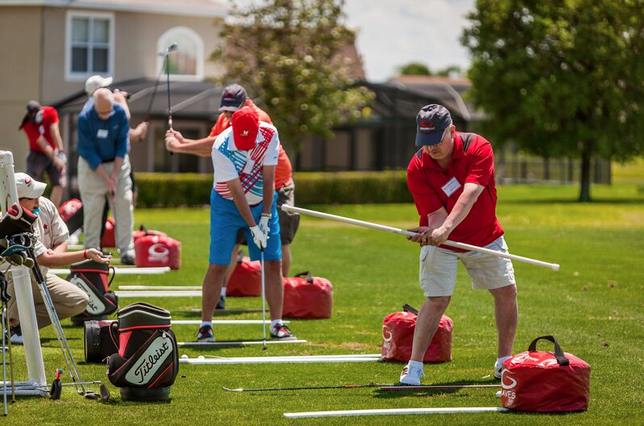
Practice can be indoors, outdoors, with/without training equipment, working on positions, Single Plane Position Trainer drill, leverage bag, mirror work, etc. etc… The key is short practice sessions with “intense” type focus building “chunks” at a time.

According to research, establishing a new habit takes about 30 days (as short as 21 and typically around 30 days) working on the new habit every day. “Working on” meaning short, deep, intense type sessions.

19.  Don’t Do “Drills.”  Instead, Play Small, Addictive Games

This is about the way you think about your practice. The term “drill” evokes a drudgery and meaninglessness. Mechanical, repetitive and boring – as the saying goes, “drill and kill”.

Games on the other hand, are the opposite.

Fun, connectedness and passion. Skills improve faster when looked at this way.

As you are doing your “drills” – turn them into games.

For example – if you are doing the Single Plane Position Trainer drills – count how many times in a row you perform it perfect. Count out loud the different positions and see if you can “hit” those positions in and out of sequence…

Chipping drills – count how many you can get inside 3 feet out of 10. See how many you can get up in down in a row (chip up and one putt in), etc.

In our camps (Build Your Game Camps) quite a bit of time is spent teaching “games” to our students so they can better enjoy working on their drills and this enjoyment will and does greatly enhance their learning process.

20.  Practice Alone

Practicing alone works because it’s the best way to:

1. See out the sweet spot at the edge of your ability, and

2. Develop discipline, because it doesn’t depend on others. If you aren’t worried about what others think, what others are looking at (you), what others are doing, etc. you won’t be worried about making mistakes, feeling uncomfortable, trying to find your sweet spot…

Changes are MUCH easier to make when you are only concerned about yourself. Golfers get too worried about what others are thinking about them, what others are looking at…. It doesn’t matter.  If you are trying to create new habits, the only thing that matters are you are making positive progress.

Small “bites” at a time – but going forward with positive progress is the key. Have enough to worry about with the changes you are trying to make, then be concerned with others around you.

Please watch upcoming newsletter practice tips for additional tips from improving your golf game.


Take Off Your Watch, Tips For Improving Part #4

By Tim Graves, PGA

Hopefully, you were able to read the last 3 practice tips  – Tips for Improving (Part 1, 2 and 3).

In those practice tips we discussed how we work with our students to create new habits rather than breaking old habits. It is essentially impossible to break bad habits (our mind/body is not set up that way) … but we are set up to be able to create new habits and ultimately make changes/create new movements, etc. we want.

We talked about a book we strongly recommend – The Little Book of Talent / 52 Tips for Improving Your Skills by Daniel Coyle

It is described as a manual for building a faster brain and a better you. It is an easy-to-use hand book of scientifically proven, field tested methods to improve your skills – your skills, your kids’ skills, your organization’s skills – in sports, music, art, math and business. The product of five years of reporting from the world’s greatest talent hotbeds and interviews with successful master coaches, it distills the daunting complexity of skill development into 52 clear, concise directives. Whether you are 10 or 100, this is an essential guide for anyone who ever asked, “How do I get better?”

The last instructional newsletters (Tips for Improvement Part 1, 2 and 3) we talked about the following tips:

  1. Staring at who you want to become.
  2. Spending 15 minutes a day engraving the skills on your brain.
  3. Stealing without apology.
  4. Buying (and keeping) a notebook.
  5. Be willing to be stupid
  6. Choose spartan over luxurious
  7. Before you start, figure out if it’s a hard skill or a soft skill
  8. To build hard skills, work like a careful carpenter
  9. To build soft skills, play like a skateboarder
  10. Honor the hard skills
  11. Don’t fall for the prodigy myth

This instructional newsletter (Part 4) we cover the next 4 tips for improving your skills and relate them to you learning/working on your single plane swing and golf game.

Graves Golf Academy Teaching

12. Pick a High-Quality Teacher or Coach

There is good section of the book on how to pick a high-quality teacher or coach. I will assume you have already “picked” Moe Norman single plane golf swing as the instruction you have chosen to follow. Some points to focus on with a teacher or coach:

– A teacher needs to watch his/her student closely.

– Is action oriented, wanting you to make changes not spend a lot of time “chatting”…

– Is honest – telling you the truth about your performance in clear instruction.  This is not personal, it’s information you can use to get better.

– Gives clear directions

– Loves teaching fundamentals

– Has experience

We pride ourselves at the Graves Golf in all the above characteristics and hope all those that come to us for instruction will see us a high-quality teachers / coaches.

13. Find the Sweet Spot

There is a place, right on the edge of your ability, where you learn best and fastest.  It’s called the sweet spot.  Here’s how to find it.

There are 3 different “zones” in which you can practice/learn:

1.  Comfort Zone: Zone of ease, effortless, you are working, but not reaching or struggling. Percentage of successful attempts:  80% and above.

2.  Sweet Spot Zone: Zone of frustration, difficulty, alertness to errors. You’re fully engaged in an intense struggle.. as if you’re stretching with all your might for a nearly unreachable goal… brushing it with your fingertips, then reaching again. Percentage of successful attempts:  50 to 80%.

3.  Survival Zone: Zone of confusion, desperation, over matched, scrambling, guessing. You guess correct sometimes, but it is mostly luck. Percentage of successful attempts:  Below 50%.

Your key is to find your “sweet spot” zone.  Seek out ways to “stretch” yourself.  Stay between being too easy (being able to do something over and over again) and confusion.  It doesn’t hurt to be a little frustrated… typically this will push you to “figure it out”.

Work in your sweet spot zone for short intervals.  Practice for 10 to 15 minutes, then give yourself a break.  Do it again… This zone can seem mentally “taxing” at times.. work smart and be alert (to changes, etc..).

14.  Take Off Your Watch

Practice (Deep Practice) should not be measured in minutes or hours, but in the number of high-quality repetitions you make.

Instead of counting minutes or hours, count the number of “perfect” repetitions you make (drills you perform).

Example – instead of planning on hitting golf balls for an hours, plan on making 25 quality swing with each club.

Ignore the clock and get to your sweet spot zone, even if it’s only for a few minutes, and measure your progress by what counts – number of times doing drill correct or number of correct repetitions.

15.  Break Every Move (Golf Swing) Down Into Chunks

Every skill/habit is built out of smaller pieces – what scientists call chunks.

Chunks are to skill what letters of the alphabet are to language. Individually, don’t mean much, put together forms sentences, paragraphs, etc…

To begin “chunking”, first engrave the blueprint of the skill on your mind (Tip # 2).  Then ask yourself:

1.  What is the smallest single element of this skill I can master/or in the golf swing, what is the most important element I need to learn.

– The Grip

2.  Practice one chunk by itself until you’ve mastered it, then connect more chunks, one by one.  Second “chunk” of the golf swing –

– The Set Up

3.  No matter what skill you set out to learn, the pattern is always the same. See the whole thing. Break it down to its simplest elements. Put it back together, repeat.

Next chunks:

– The Backswing

– Top of swing/Transition

– The Downswing

– Leverage

– Impact

– Release

Work on each “chunk” individually – one at a time. Working to master/perfect before going on or working on another. This will save you a lot of time and frustration in the “long run” …

Remember as stated many times – learning the golf swing/making changes is NOT a sprint, but rather a marathon. And if treated that way, your changes/new habits you create, will be there for the “long run”.

Watch upcoming newsletter for additional practice tips for improvement.

The Short Cut

By Tim Graves, PGA

Do you know the most common question golfers ask us?

“Is there a shortcut to making swing changes and improving my game?”

The simple answer to the question is “Yes!”

The short cut – are you ready for it?…..  is all about FEEDBACK.

Most think it is about practice….  but does practice actually help??

Should instructors encourage you to practice?

You might not believe it, but golf instructors debate about this all the time. Many golf instructors believe that you should avoid the idea of teaching the importance of practice – that it takes away from the enjoyment of the game.  They argue that the game is about teaching golfers how to play not about teaching them how to swing.

Our position is that you really can’t have fun and play well if you don’t have a good swing. Furthermore, building a great golf swing is part of the fun. We also believe that teaching the golf swing is about helping golfers “shortcut” the learning process (practice), not avoiding it. Let’s explain in two sentences.

Golfers struggle and get frustrated (and score badly) because they are unskilled.  

Skill is acquired through practice.

All skills require practice and we can’t think of a game that requires more practice than golf. This might explain so many are frustrated with the game and why in recent years, more have quit the game then started new.  It simply takes too long to get good.   The question we should be asking is not whether we should be teaching golfers to practice but rather how can we help them learn to practice correctly and effectively and get better faster…

Don’t take my word for it, listen to Dan Coyle, author of the book The Talent Code.  Dan, who researched talent hotbeds describes the acquisition of talent in three important processes:

• Deep Practice–Everyone knows that practice is a key to success. What everyone doesn’t know is that specific kinds of practice can increase skill up to ten times faster than conventional practice.

• Ignition–We all need a little motivation to get started. But what separates truly high achievers from the rest of the pack? A higher level of commitment—call it passion—born out of our deepest unconscious desires and triggered by certain primal cues. Understanding how these signals work can help you ignite passion and catalyze skill development.

• Master Coaching–What are the secrets of the world’s most effective teachers, trainers, and coaches? Discover the four virtues that enable these “talent whisperers” to fuel passion, inspire deep practice, and bring out the best in their students.

These three elements work together within your brain to form myelin, a microscopic neural substance that adds vast amounts of speed and accuracy to your movements and thoughts. Scientists have discovered that myelin might just be the holy grail: the foundation of all forms of greatness, from Michelangelo’s to Michael Jordan’s. The good news about myelin is that it isn’t fixed at birth; to the contrary, it grows, and like anything that grows, it can be cultivated and nourished.

The way we see it is that you don’t need to practice harder, you need to practice smarter get help along the way.  We can relate to these three factors in my experience as well.

In our experience the students who are the most willing to practice and enjoy the process have the most success. 

Deep practice is getting into the place where real learning occurs.  This is where feedback happens and feelings are well….felt.  Let me give you an example.

In a recent school, we had been sitting in the meeting room for about an hour.  One student asked “when are we going to hit some balls on the range?”  We responded with a question, “We will let you hit balls on the range when you can reassure me that you are measuring and getting feedback on every swing.  Are you able to do that?”

The reason we have a great golf swings is not because we are more talented than any of our students.  We have simply spent more quality time working on my golf swing.  It come down to the quality of your practice, now how much you practice.

We put in the quality then I made is stronger with repetition.  Most students put in the repetition but not the quality.

Our teaching habits have changed over the years. We find it almost impossible to watch people practice ineffectively.  We start to get nervous and we usually jump in and stop it.  We then ask “what are you working on” and “how do you know if you are getting it?”.

We are now heading into 2025.  You have a choice.  You can go another year wishing your golf game improved and guessing at the outcomes or you can make a transformation in your approach.  This is what we are suggesting is that you take a giant leap by making some major changes. You can do this by understanding Dan Coyle’s three principles of talent.  Learn how to Deep Practice, Get Passionate about it and Get Help from a Master Coach. 

Now take some action on these principles and get practicing – correctly.

To find out more about how to practice correctly, deep practice and your short cut to improvement – please see:  CLICK HERE

Build Soft Skills, Play Like a Skateboarder – Tips for Improving (Part 3)

By Tim Graves, PGA

Hopefully, you were able to read the last 2 practice tips (October 2024 Update and November 2024).

In those practice tips we discussed how we work with our students to create new habits rather than breaking old habits. It is essentially impossible to break bad habits (our mind/body is not set up that way) … but we are set up to be able to create new habits and ultimately make changes/create new movements, etc.  we want.

We talked about a book we strongly recommend – The Little Book of Talent/52 Tips for Improving Your Skills by Daniel Coyle

It is described as a manual for building a faster brain and a better you. It is an easy-to-use hand book of scientifically proven, field tested methods to improve your skills – your skills, your kids’ skills, your organization’s skills – in sports, music, art, math and business. The product of five years of reporting from the world’s greatest talent hotbeds and interviews with successful master coaches, it distills the daunting complexity of skill development into 52 clear, concise directives. Whether you are 10 or 100, this is an essential guide for anyone who ever asked, “How do I get better?”

The last instructional newsletters (Tips for Improvement Part 1 & 2) we talked about the following tips:

  1. Staring at who you want to become.
  2. Spending 15 minutes a day engraving the skills on your brain.
  3. Stealing without apology.
  4. Buying (and keeping) a notebook.
  5. Be willing to be stupid
  6. Choose spartan over luxurious
  7. Before you start, figure out if it’s a hard skill or a soft skill
  8. To build hard skills, work like a careful carpenter

This instructional newsletter (Part 3) we cover the next 3 tips for improving your skills and relate them to you learning/working on your single plane swing and golf game.

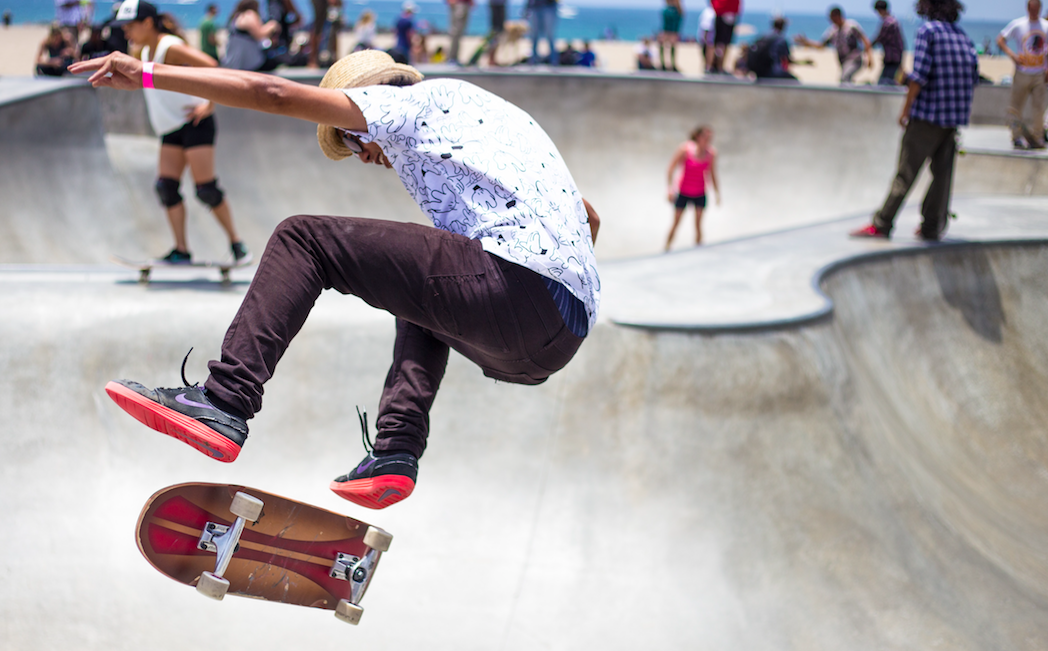
9. To Build Soft Skills, Play Like a Skateboarder

While hard skills are put together with measured precision (Tip # 8), soft skills are built by playing and exploring inside the challenging, ever-changing environments. These are places where you encounter different obstacles and respond to them over and over, building the network of sensitive wiring you need to read, recognize and react. In other words, to build soft skills you should behave less like a careful carpenter and more like a skateboarder in a skateboard park: aggressive, curious and experimental, always seeking new ways to challenge yourself.

It may seem a far distance between a skateboarder and golfer, but it really isn’t. A soft skill in golf is primarily built on the course or practicing for “on course” situations. It is much more about feel than technique.

Some examples: Hitting shots into different winds (down wind, cross wind, etc..), hitting different trajectories (high, low, etc..), working on different shots into the green, ones that roll (like a long chip), ones that stop fast (like a pitch or lob shot), hitting off of side hill lies (up hill, down hill, etc..), and obviously many more.

Suggestions to help you practice/work on these soft skills:

– Try to get on the golf course early or late… at a time when you are alone or with someone who doesn’t care if you hit more than one shot. And at a time when you aren’t holding anyone up behind you. My favorite times are to start on back nine early in morning (not getting in way of grounds crew) or teeing off early evening when the front nine is open.

– Hit more than one shot (hit many if possible) in the situation you are working on.  Especially if the first was not performed correctly. (I like to hit 6 to 10 balls from the “situation”)

– Hit YOUR golf balls – the one’s you typically play with. NOT range balls…. You are learning feel, etc.. You need to learn feel with YOUR golf balls. They react different than range balls.

– Doesn’t hurt to make a plan before you start on what you want to work on. For example, let’s say you want to work on side hill lies and some flop shots around the greens.  You play the first hole and hit the ball down the middle… on a flat lie. Pick up the ball and find the nearest side hill lie.  Drop the ball on the lie and hit it. Hit a few more. work on that shot.  Let’s say you hit the shots on the green. Pick them up and throw them into a position that you will have to hit a flop/lob shot from… hit a few from there……  Have a plan before you start on shots you want to work on.

– Remember – learning/working on feel is just as important, even more important, than technique in building soft skills. Think about the feel….  take your time to learn the feel, even take notes on what you feel… it will help you a lot in recall when you have the same shot during a round of golf.

When you practice a soft skill, focus on making a high number of varied reps, and on getting clear feedback. Don’t worry too much about making errors – the important thing is to explore. After each session, ask yourself, what worked? What didn’t? And why?

10. Honor The Hard Skills

As you probably recognize, most talents are not exclusively hard skills or soft skills, but rather a combination of the two. Prioritize the hard skills because in the long run they’re more important to your talent. Most top performers (top athletes) place great importance on practicing the same skills they practice as beginners.

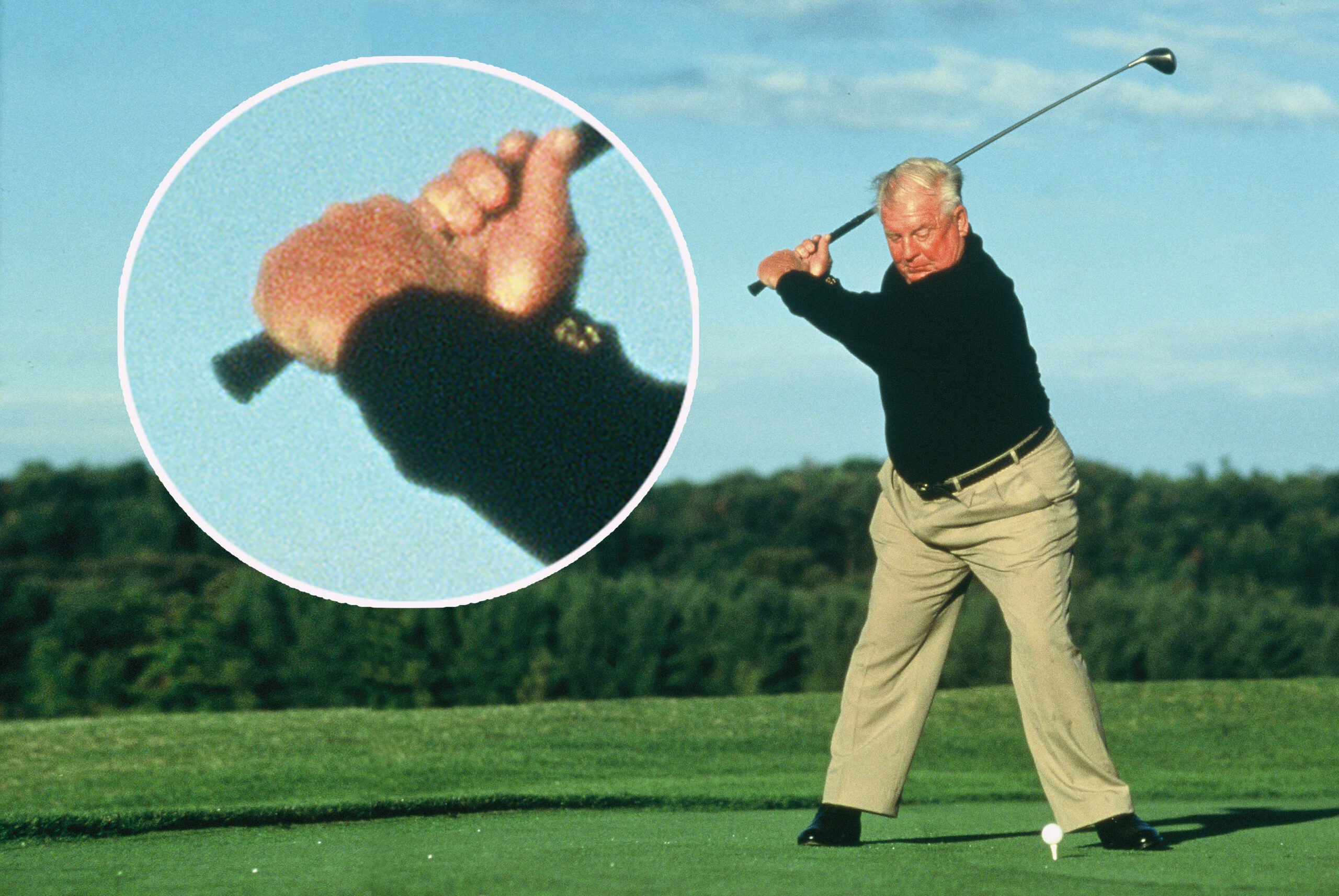
As we always say, over and over and over (I am sure many of our students get tired of us telling them this) – you must first build/work on your grip, then set up, then take away, then down swing, impact and release… in that order. And you will NEVER stop working on these fundamentals.

In fact, even myself (Tim) and my brother (Todd) continually work/tweak, check, etc.. these fundamentals. I ALWAYS use an alignment trainer when I practice, I quite often use a grip training club when I practice, Todd videos his swing almost every session he hits balls (to check) … You will and should NEVER stop working on your fundamentals.

One way to keep this idea in mind is to picture your talent as a big oak tree – a massive, thick trunk of hard skills (fundamentals) with the towering canopy of flexible soft skills up above.  First build the trunk.  Then work on the branches.

11. Don’t Fall For The Prodigy Myth

Most of us grow up being taught that talent is an inheritance, like brown hair or blue eyes. Therefore, we presume that the surest sign of talent is early, instant, effortless success, i.e. being a prodigy. In fact, a well-established body of research shows that that assumption is false.  Early success turns out to be a weak predictor of long-term success.

We believe and prove it every day, regardless of athleticism, age, “current talent”, etc.. you can, should and will improve if you practice correctly. In other words, as we always say, if you practice with a purpose and focus on getting a little better every time you practice, you will improve. The rate of improvement is up to you. How much you practice, your focus during practice, your focus on fundamentals, your “patience” to allow time for changes to occur and become a new habit, and in general your belief in the methodology are all factors to your improvement. We see too many fall into “the trap” that they can’t learn new habits because they are “too old” or aren’t “athletic” enough..  Both have very little to do with learning new habits… the issues typically come down to forgetting how to learn something new and flexibility issues. Both areas that can be worked on.

Talent Code comment: If you don’t have early success, don’t quit. Instead, treat your early efforts as experiments, not as verdicts. Remember, this is a marathon, not a sprint.

Watch our next Practice Tip(s) for continuation of this topic – Tips for Improving including picking a coach, finding the sweet spot, breaking down moves into chunks, and many others.

It’s about the Journey

By Paul Monahan, Graves Golf Mental Game Coach

In early 2015, I realized that I had visited nearly all 50 states in America….all except Idaho and Montana. It occurred to me that I would be turning 50 years old that year – and I had this idea that if I got a little intentional, I could complete the 50 States x 50 Race” (…I think I made up) by visiting all 50 states before I turned 50. What an incredible accomplishment that would be! Right?

I worked through the logistics: I would fly to Spokane, WA then drive to Coeur d’Alene, ID. While there, I could play some golf, and then make my way over to Montana…only a short distance from Coeur d’Alene. My buddy Jon from high school, – always up for an adventure – would come with me. The trip was on.

So, in May of that year, Jon and I hopped on a flight and we headed out on our adventure. On day one we travelled to Idaho (#49…check!). On day two, we played golf at the Coeur d’Alene Resort (…famous for its moveable island green. Yes…I got the certificate!). And on day three we drove an hour or so East to the Montana border. (#50…check!) The race was over. I won!

Cue the big celebration, right? The elation. The pure joy. The confetti.

Well… what I experienced was a bit different. And frankly it was a bit of a letdown.

There was no there there. I can’t even tell you how ridiculous I felt. I said to myself “ You did what? Travelled all this way just to be able to tell your friends you travelled to 50 states!?”  (… this whole essay is starting to feel like a giant humble brag.)

But the truth is that I had an amazing three days with a life-long buddy who enjoys many of the things I do. Golf, adventure, great conversations about the meaning of life…etc. That was where the joy and happiness was for me. And if I reflect on my journey through the other 48 states, I can think of tons of great memories and experiences as well.

So, by the time I got to the Montana border, the “prize” didn’t matter as much.

The point is this: it’s not about the destination – it’s about the journey. Always has been. Always will be.

When I was younger, I thought that was just another platitude. Pure garbage. A phrase invented by people who were too afraid or too timid to do what it took to get themselves across the finish line.

I don’t believe that anymore. I believe that I am most energized when I am working toward something – engaged purposefully in pursuit of a goal, dream, or defined outcome. On the path. On the journey.

I am immensely satisfied when I arrive at my goals… and even happy or elated sometimes. (Ask me about my experiences walking across the Grand Canyon’s Rim-to-Rim route the next time you see me.) But looking back, it really WAS the journey that mattered most. And looking ahead, I believe it really IS the journey that matters most.

The journey is what points you. It is what energizes you, challenges you, and puts you into the kind of productive struggle that creates growth. (Thank you, Dan Coyle.)

Learning to play golf at a higher level the way you are doing it IS a journey. Remember to enjoy it. Relish it. Know what it is – and what it is not. It IS an amazing adventure of learning and growth. It is NOT your identity. It is NOT an obstacle to be overcome – but an experience to move through that will change you forever.

In Jordan Petersons’ book Beyond Order, he says that “You are not only something that is. You are something that is becoming…”

Humans are teleological… we must have purpose. We must have targets. We must be aimed at a destination…and be traveling in that direction. It is how we are wired. But what truly brings joy, satisfaction and happiness to a life is not necessarily arriving at some pre-ordained goal, but rather what we experience along the journey itself.

The next time you are in struggle, experiencing frustration about your game or about that shot that just went sideways, stop. Take a deep breath and remind yourself:  “It’s the journey.” Then consider the gift inherent in that moment …how that moment will make you stronger, smarter, and more able to complete the journey you are on. Remember that you are becoming… one little step at a time.

Safe travels!

-Paul

Be Willing to Be Stupid – Tips for Improving Part # 2

By Tim Graves, PGA

Hopefully, you were able to read last month’s practice tip (October 2024 Update) – Tips for Improving (Part 1).

In this practice tip we discussed how we work with our students to create new habits rather than breaking old habits. It is essentially impossible to break bad habits (our mind/body is not set up that way) … but we are set up to be able to create new habits and ultimately make changes/create new movements, etc. we want.

We talked about a book we strongly recommend – The Little Book of Talent / 52 Tips for Improving Your Skills by Daniel Coyle

It is described as a manual for building a faster brain and a better you. It is an easy-to-use hand book of scientifically proven, field tested methods to improve your skills – your skills, your kids’ skills, your organization’s skills – in sports, music, art, math and business. The product of five years of reporting from the world’s greatest talent hotbeds and interviews with successful master coaches, it distills the daunting complexity of skill development into 52 clear, concise directives. Whether you are 10 or 100, this is an essential guide for anyone who ever asked, “How do I get better?”

9780345530257

The last instructional newsletter (Tips for Improvement Part 1) we talked about the following tips:

1.  Staring at who you want to become.

2.  Spending 15 minutes a day engraving the skills on your brain.

3.  Stealing without apology.

4.   Buying (and keeping) a notebook.

This instructional newsletter (Part 2) we cover the next 4 tips for improving your skills and relate them to you learning/working on your single plane swing.

5. Be Willing To Be Stupid

Feeling stupid is no fun.  But being willing to be stupid – in other words, being willing to risk the emotional pain of making mistakes – is absolutely essential, because reaching, failing, and reaching again is the way your brain grows and forms new connections.

When it comes to developing talent, remember, mistakes are not really mistakes, but rather they are guideposts you use to get better.

This is a topic we discuss often at our schools and clinics. When you are making changes in your golf swing, it should be uncomfortable at first and you will not hit it well at first. You shouldn’t – many feel they are making “mistakes” and feel “stupid” when they do this. But this shows you are making changes and something EVERYONE will go through when they are making changes and creating new habits. If you are willing to make “mistakes” – miss hit shots when you first start to make changes, “willing to be stupid” as Mr. Coyle calls it…. you will create new habits. If not, the process will take MUCH longer, if not hindered all together.

6. Choose Spartan Over Luxurious

We love comfort. We love state-of-the-are practice facilities, oak-paneled corner offices, spotless locker rooms, and fluffy towels. Which is a shame, because luxury is a motivational narcotic: It signals our unconscious minds to give less effort. It whisper’s, Relax, you’ve made it…

The point of this tip is not moral; it’s neural. Simple, humble spaces help focus attention on the deep-practice task at hand; reaching and repeating and struggling. When given the choice between luxurious and spartan, choose spartan….  Your unconscious mind will thank you.

This is actually one of my favorite tips in the Little Book of Talent. Do I like fancy country clubs, fancy ranges, fancy practice areas – ABSOLUTELY! But, there is no question, my focus suffers big time when I’m in that environment. In fact, when I grew up hitting golf balls, and practicing in high school, in college and when I was starting on the mini – tours, 90% of the time I hit balls (practiced) in a field hitting my own golf balls out of my shag bag. And I guarantee my improvement was increased dramatically as my focus had to stay alert as when you are hitting your own balls, you must shag your own golf balls. If you loose focus, it is absolutely no fun shagging those balls….

I always recommend to my students (especially younger high school and college students) if you want to dramatically improve your quality of practice – hit your own golf balls – whether you are chipping, pitching, or working on your full swing, if you have the opportunity to hit your own balls – I strongly recommend it.

7. Before You Start, Figure Out If It’s a Hard Skill or a Soft Skill

The first step toward building a skill (creating a new habit) is to figure out exactly what type of skill you’re building. Every skill (habit) falls into one of two catagories: hard skills or soft skills.

Hard, High-Precision Skills are actions that are performed as correctly and consistently as possible, every time. Hard Skills are about repeatable precision.

An example of a hard skill is creating new moves/working on new positions in your golf swing. Golf swing fundamentals are hard skills.

Soft, High-Flexibility Skills are those that have many paths to a good result, not just one. These skills aren’t about doing the same thing perfectly very time, but rather about being agile and interactive, reactive and making timely choices.

An example of soft skills is working on things that will help you on the course/on course type situations. Hitting shots into the wind, moving the ball right to left, or left to right, hitting different trajectories on golf shots, working on your short game (creating different shots around the green), etc. Soft skills tend to be more “feel” related and something that is reactive to the situation.

8. To Build Hard Skills, Work Like a Careful Carpenter

To develop reliable hard skills, you need to connect the right wires in your brain. In this, it helps to be careful, SLOW, and keenly attuned to errors. To work like a careful carpenter. Precision especially matters early on, because the first reps/swings establish a pathway for the future. Neurologists call this the “sled on the snowy hill” phenomenon. The first repetitions are like the first sled tracks on fresh snow. On subsequent tries, your sled will tend to follow those grooves.

When you are working on hard skills (working on your golf swing), be precise and measured. Go SLOWLY. Make one simple move (change) at a time, repeating and perfecting it before you move on. Learning fundamentals only seems boring – in fact, it’s the key movement of investment. If you build the right pathway now, you’ll save yourself a lot of time and trouble down the line.

This is EXACTLY why Todd and myself have worked so hard on creating and implementing our training aids and instructional videos.

These training aids and instructional videos are set up to help you act like a careful carpenter. They help you take the guess work out of practicing. Even if your focus starts to “lax” – they will help you keep on path.

Do not guess, do not question if you are doing it right or not.

As we say at all our schools and to all our students – a majority of typical golfers have no idea if they are on the path to improvement or not. Our students do not and will not have this problem. By following a model, studying and learning proper movement and using training aids to check and check often, you can guarantee you are building those hard skills (fundamentals) perfect – like a VERY careful carpenter.

Watch our next Newsletter (November Update) released in 2 weeks for continuation of this topic – Tips for Improving.

Please let me know your comments about these etips to timg@gravesgolf.com

I use these comments for future instructional etips, etc..

LEARN

THE

SWING

Join 1M+ Subscribers to get your FREE Video Quick Start Guide that reveals how to hit the ball farther and straighter more consistently from now on…

START YOUR NEW GOLF SWING