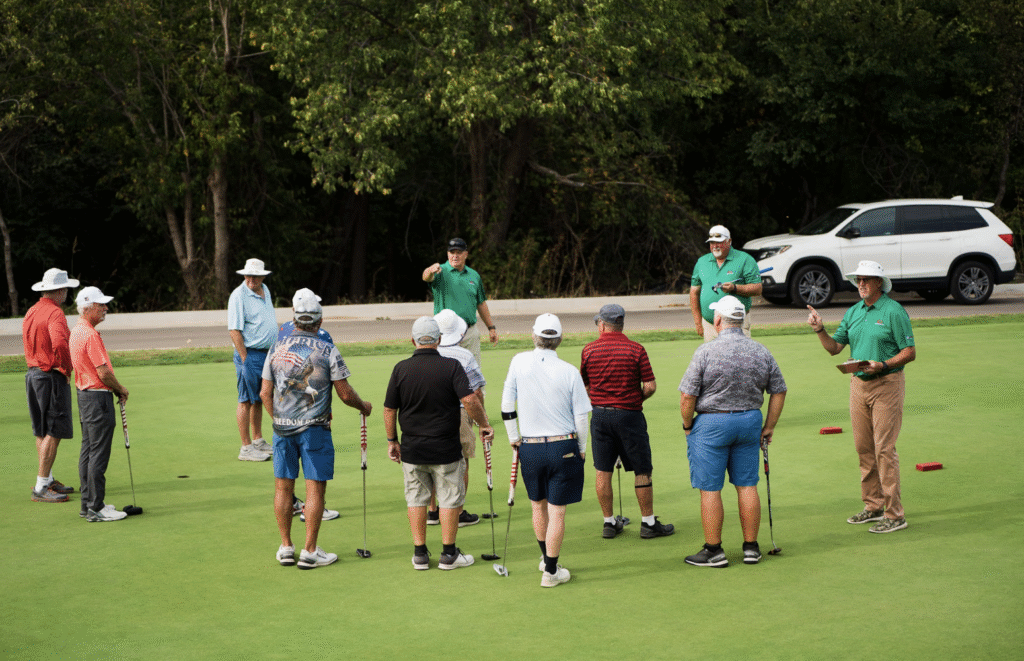
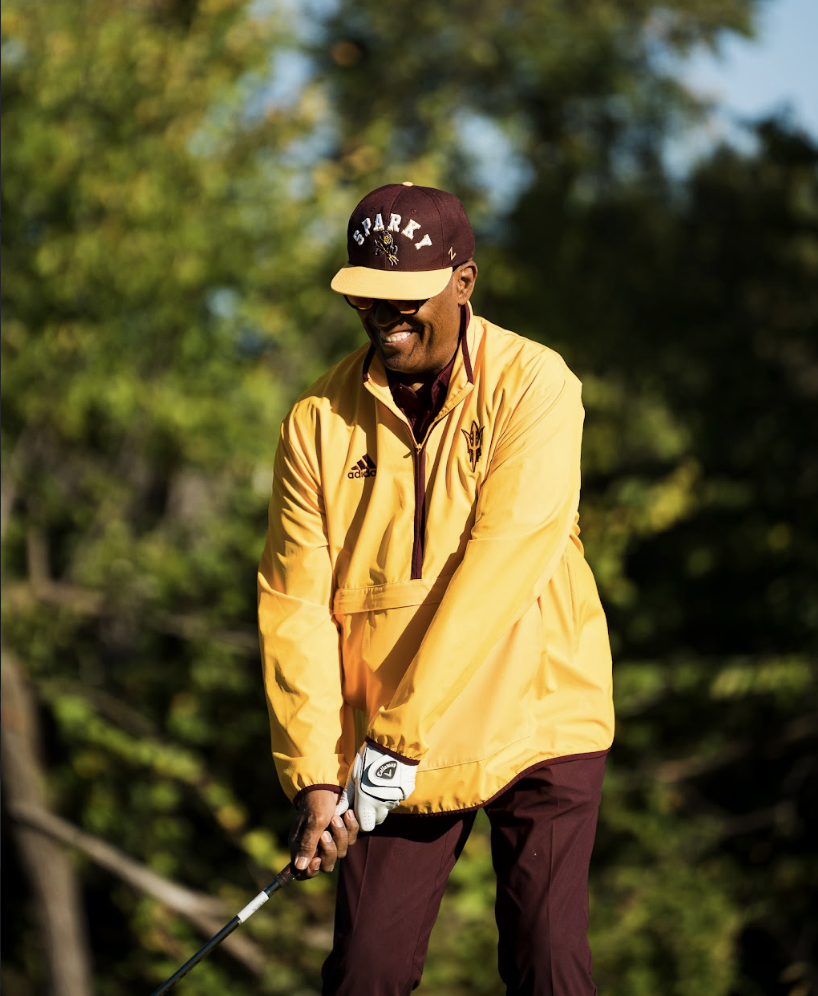
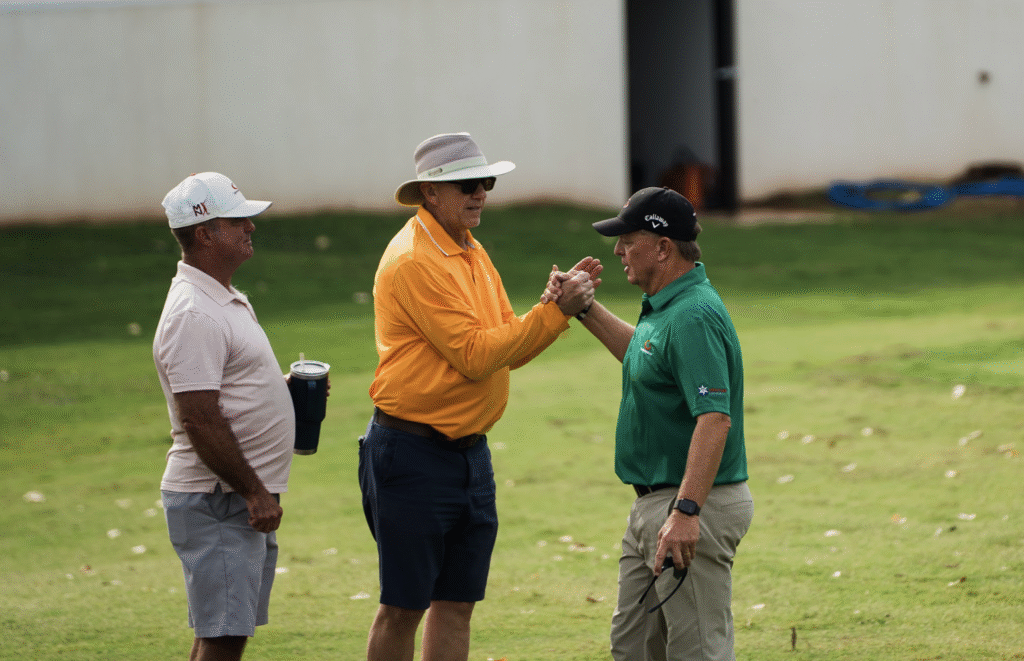
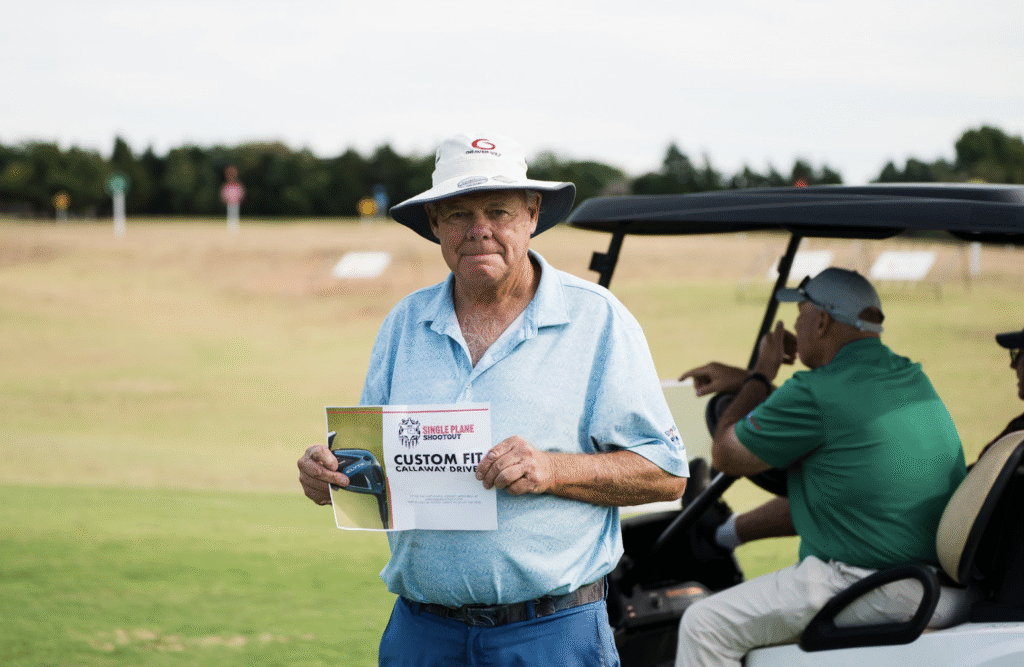
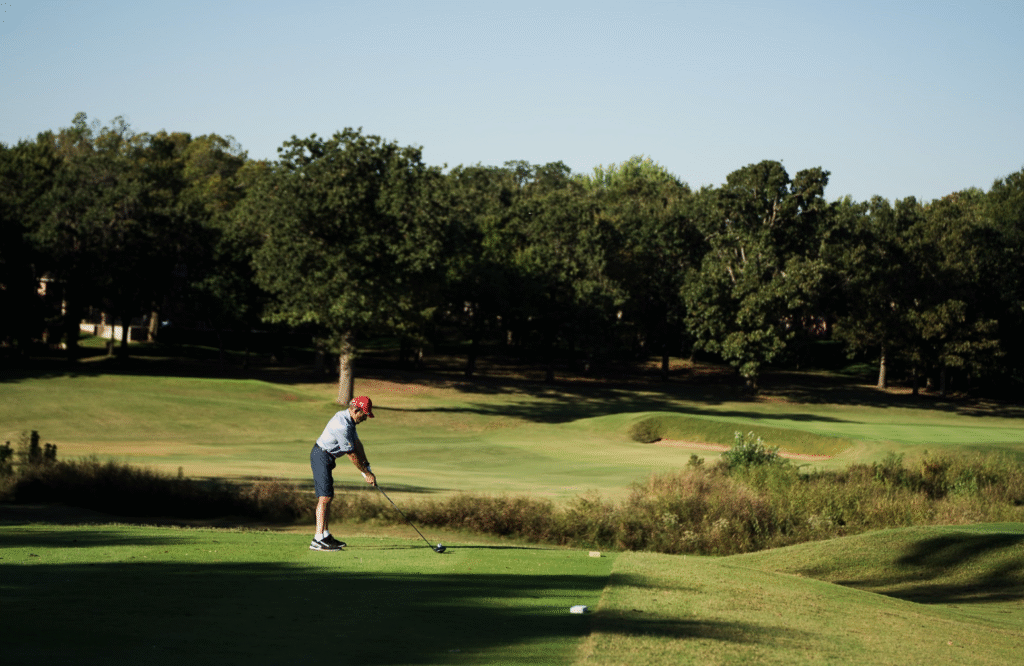
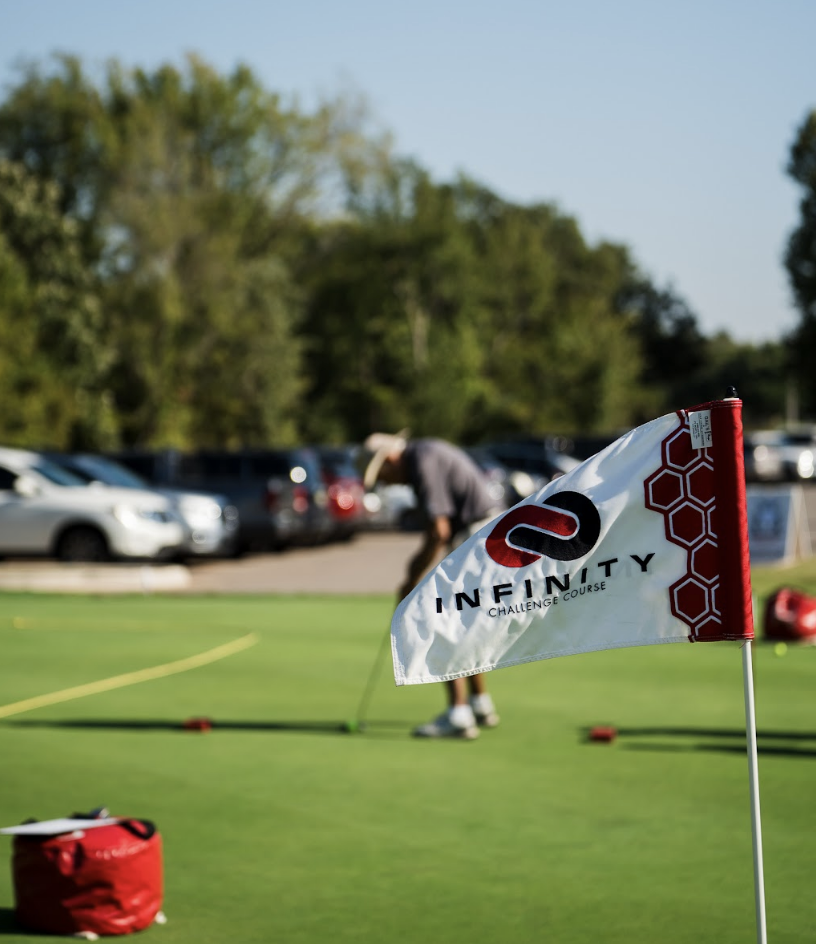
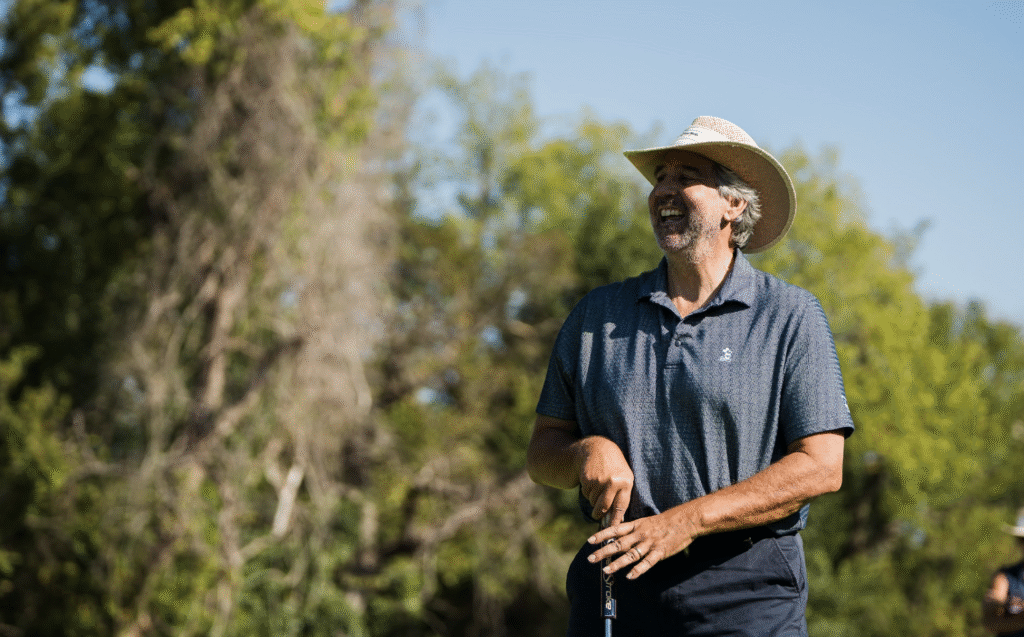
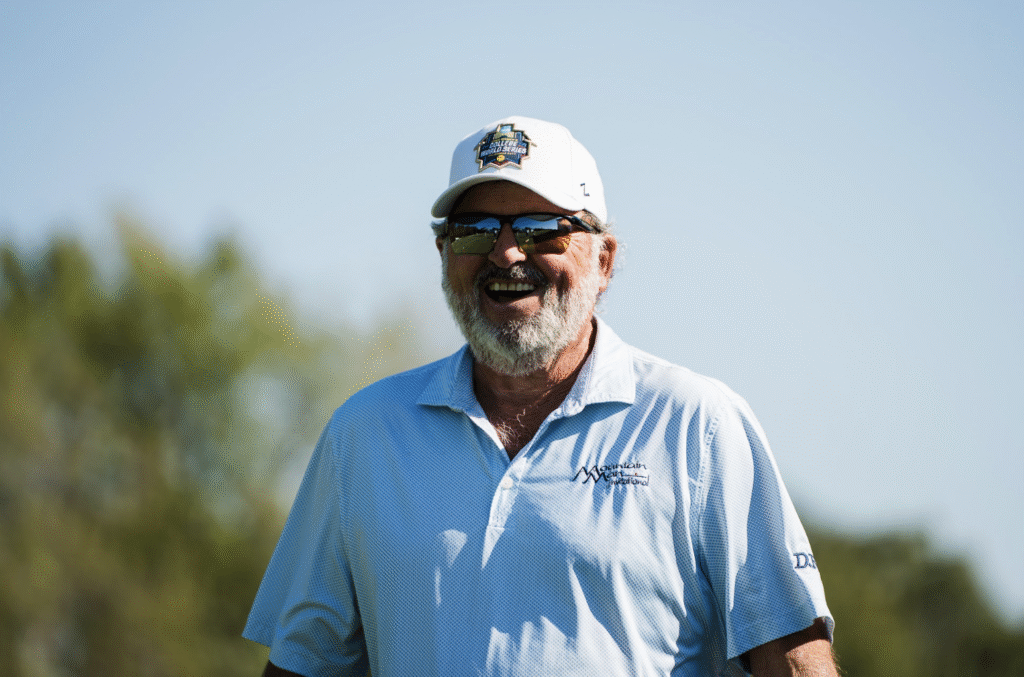
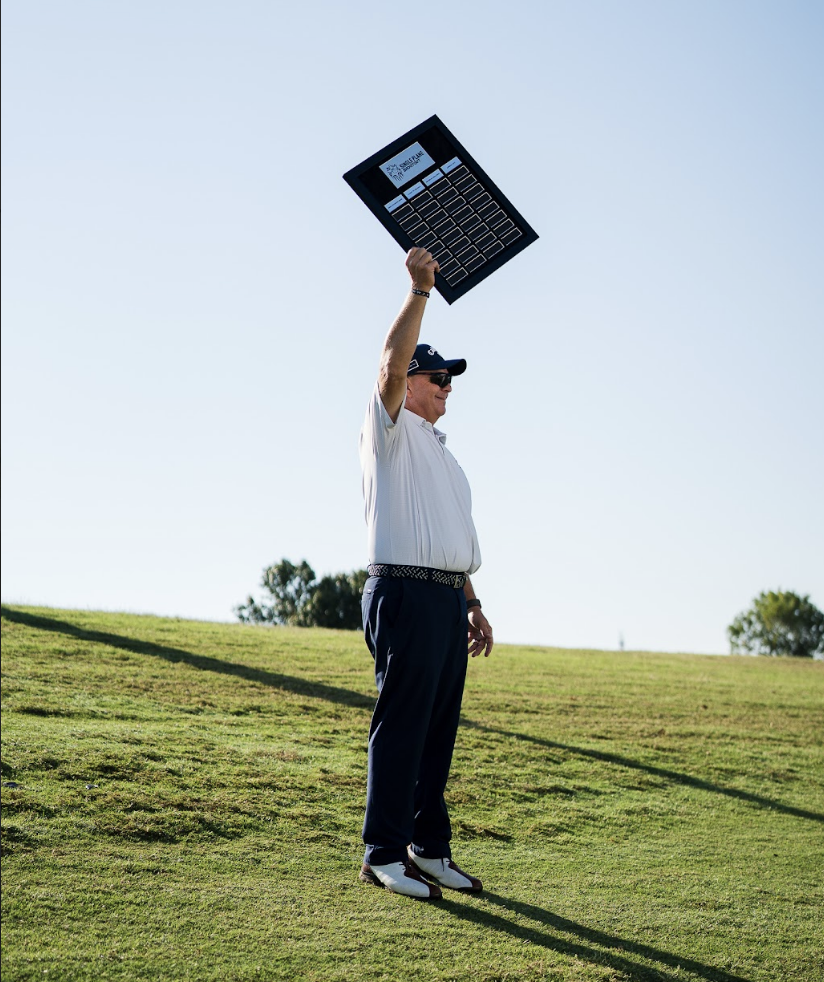
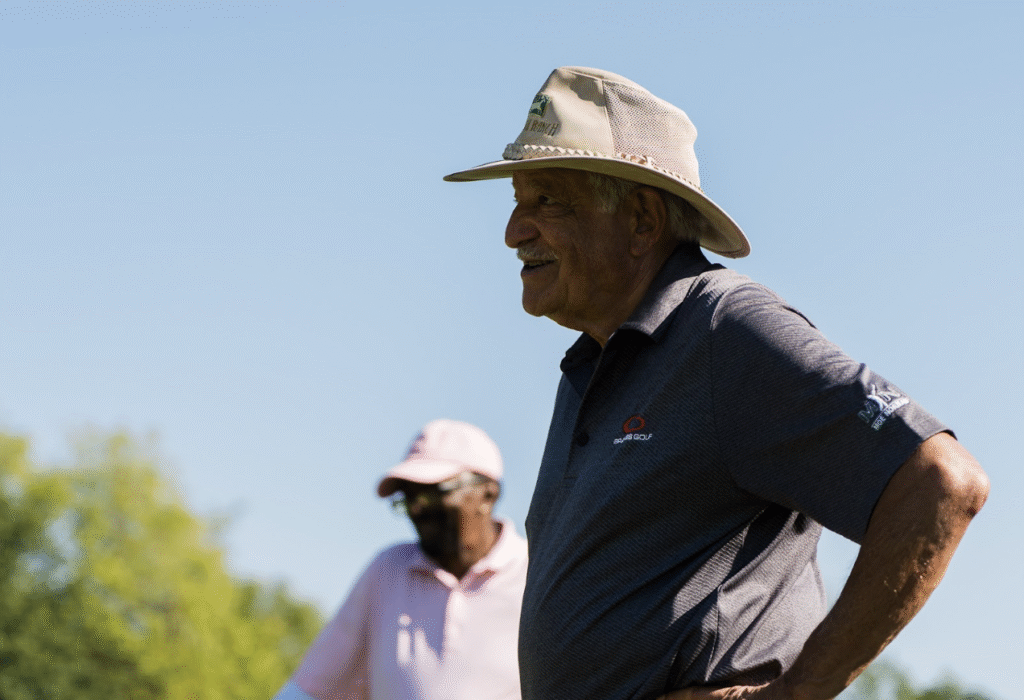
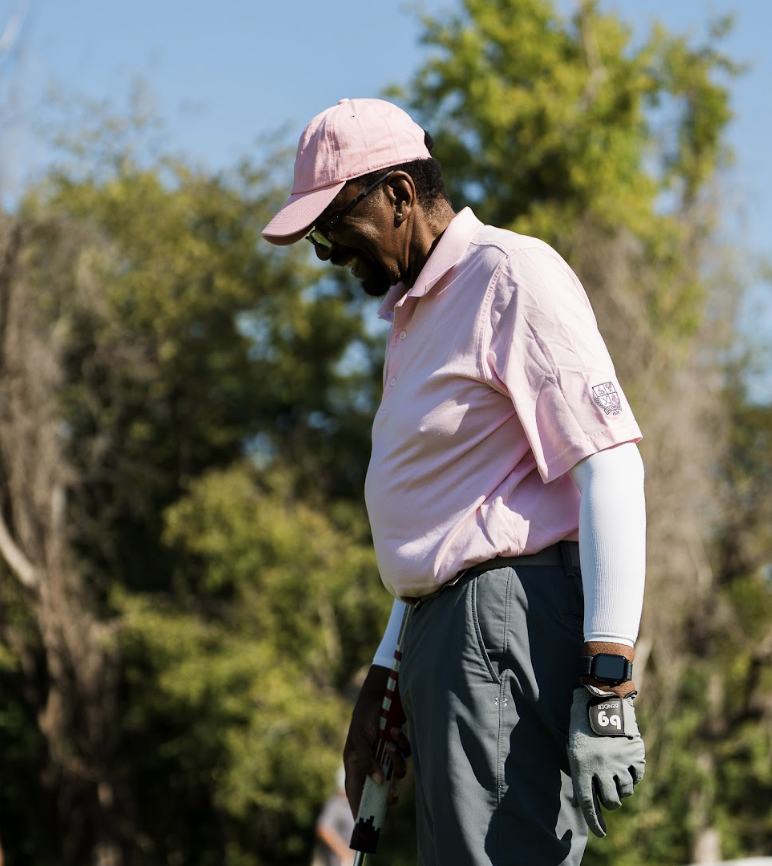
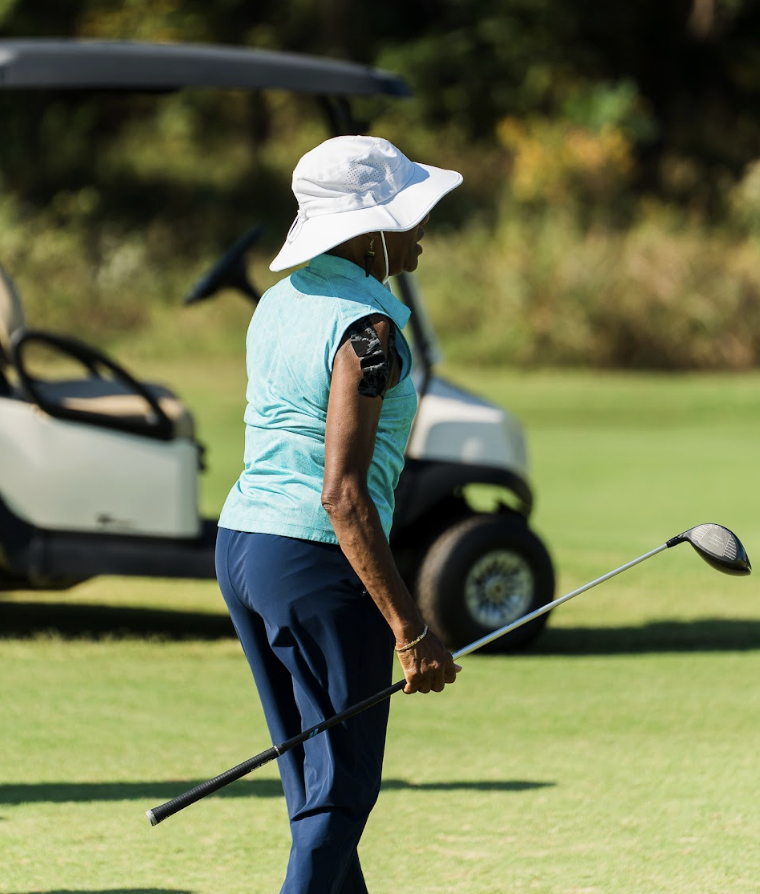
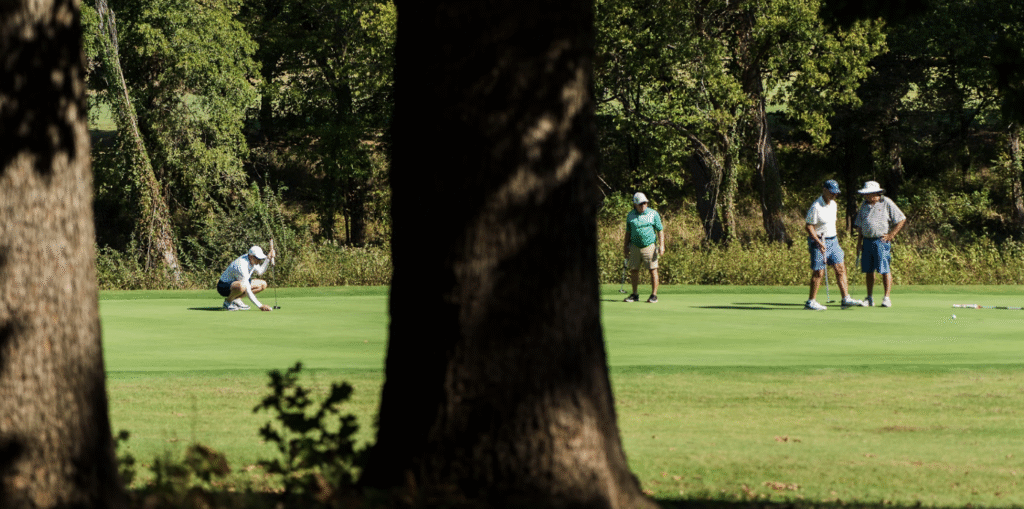
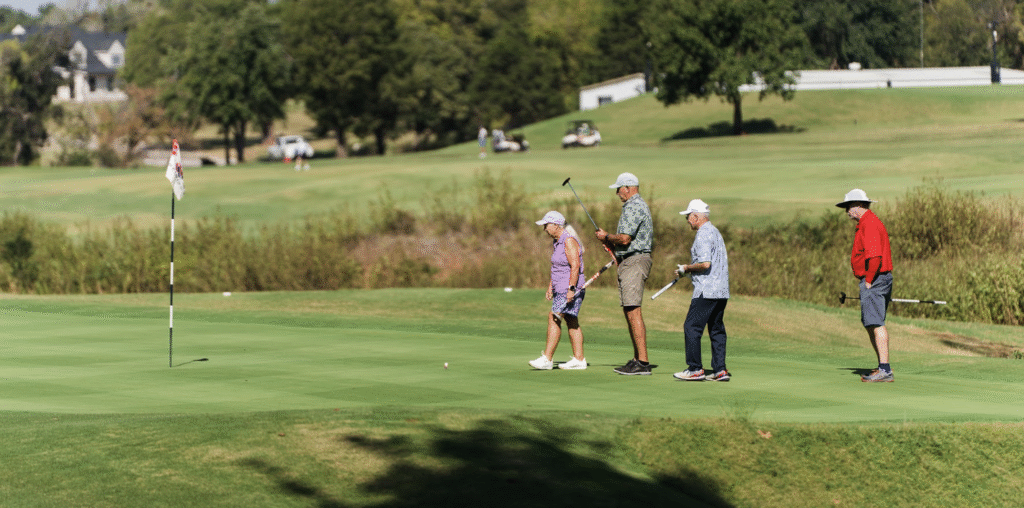
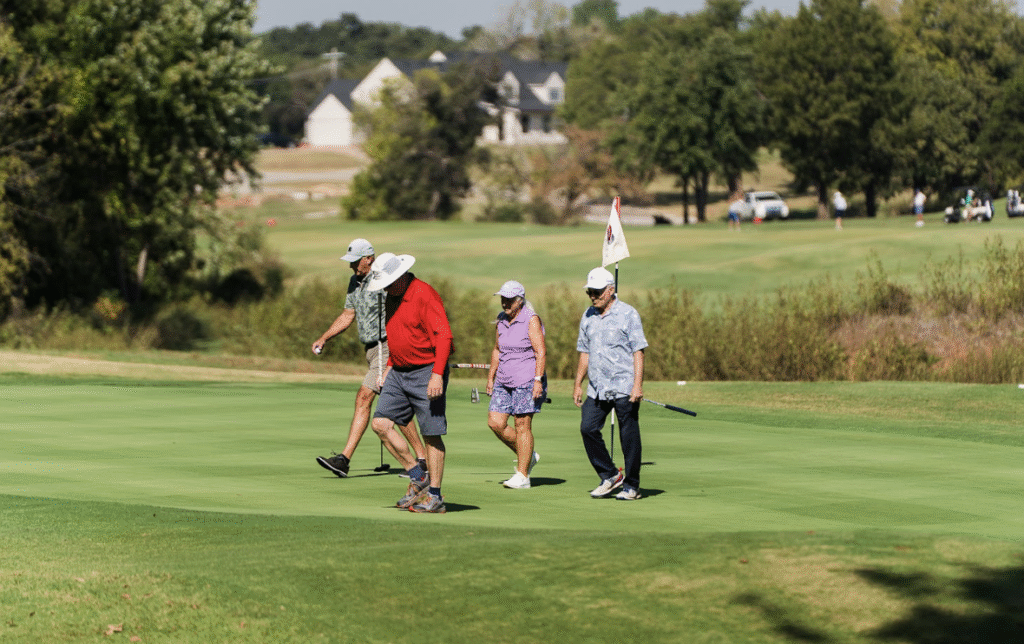
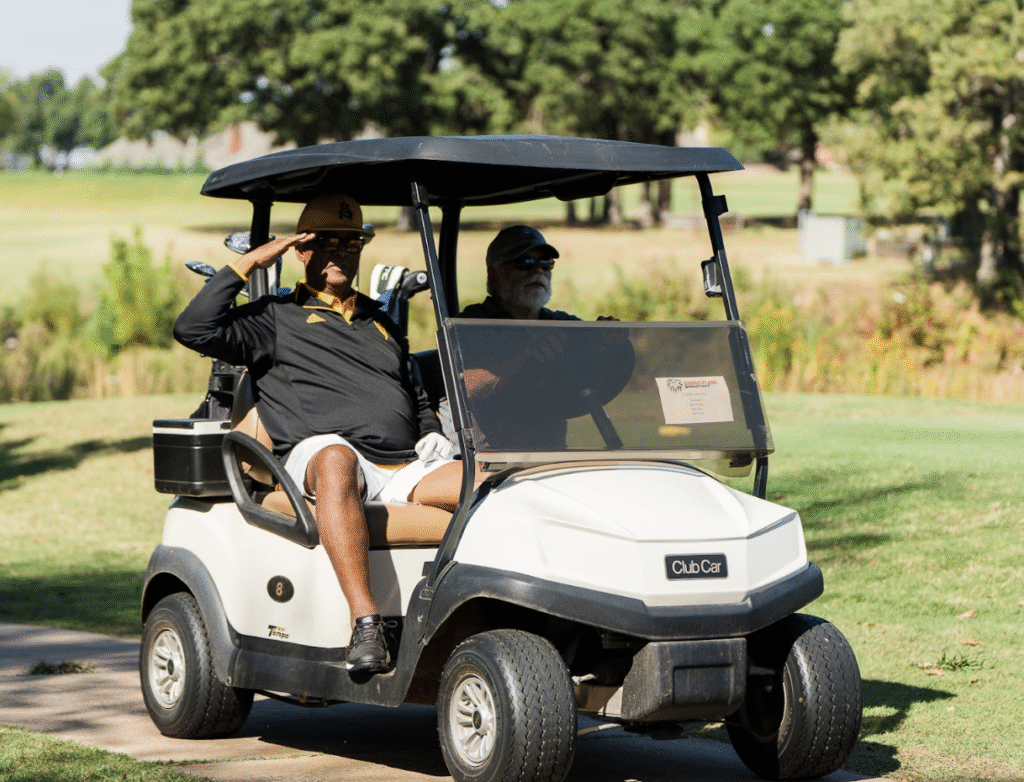
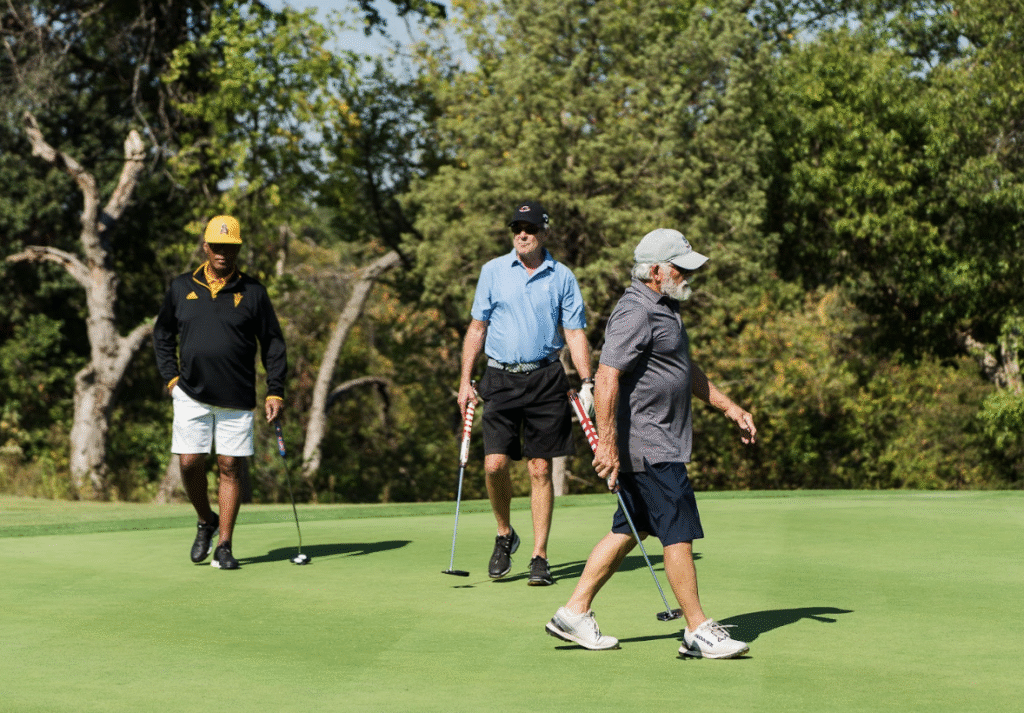
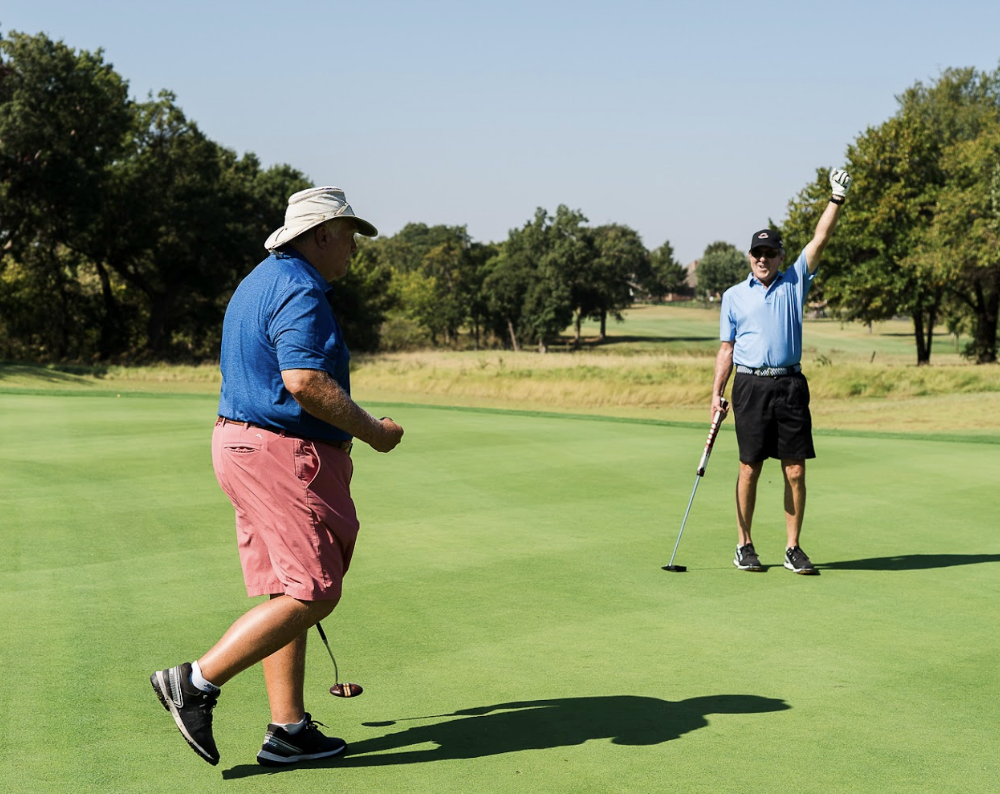
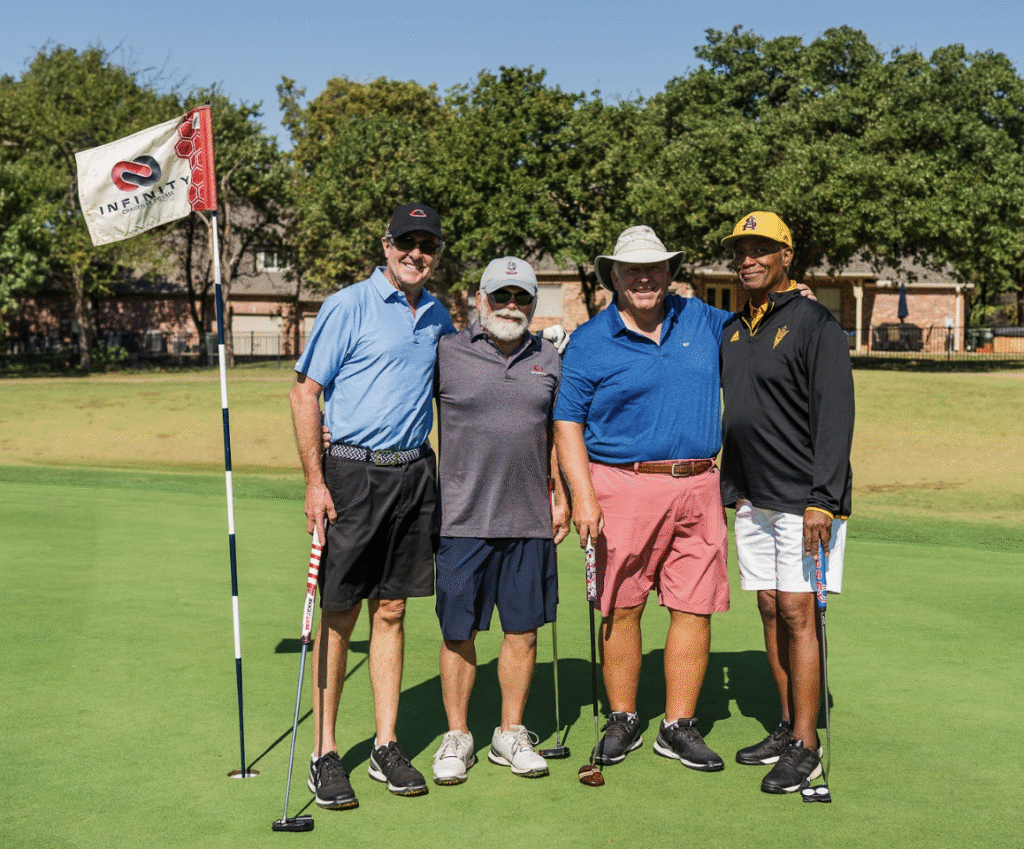
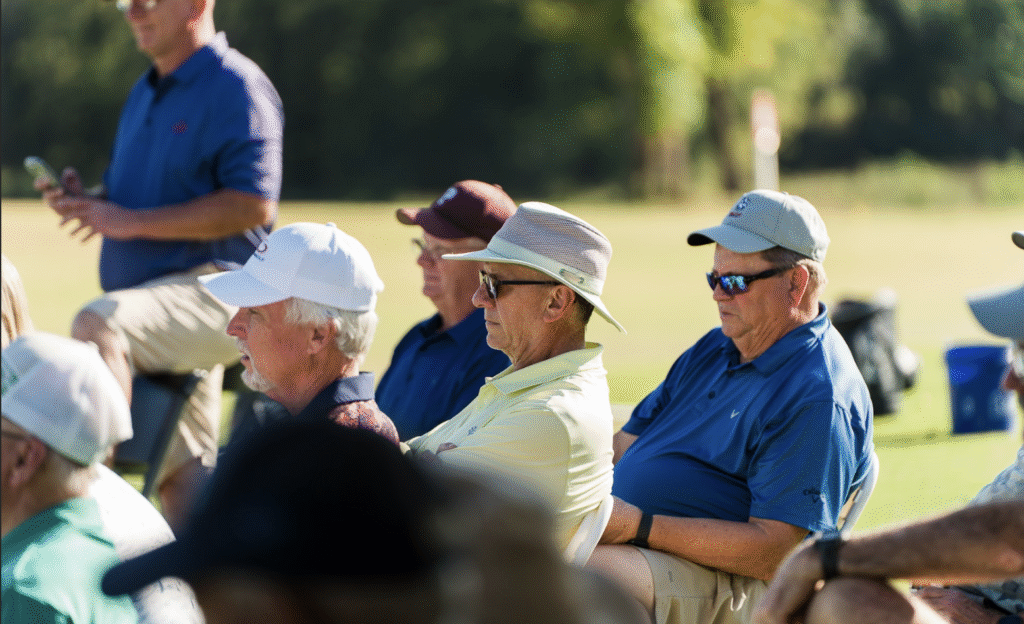
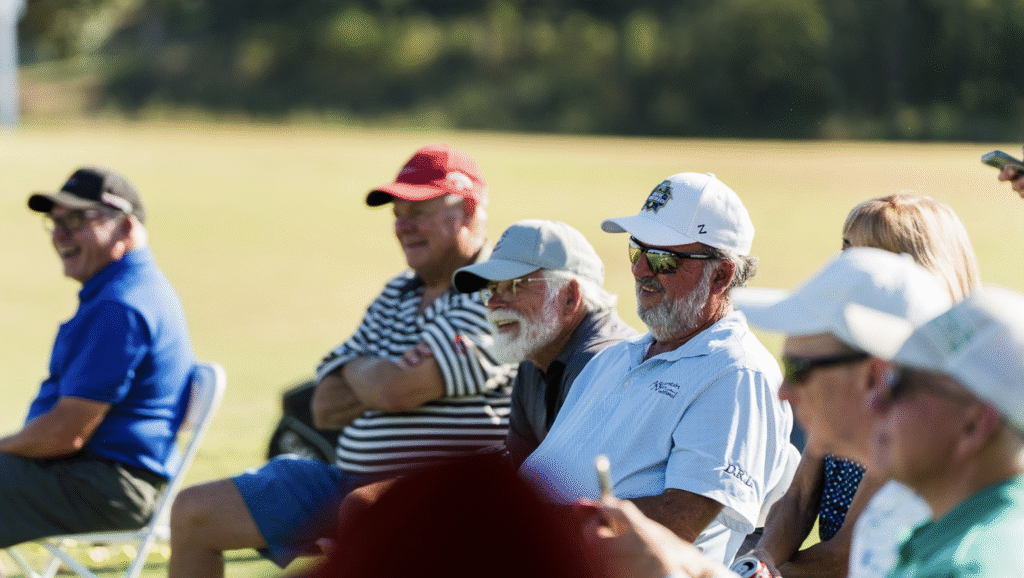
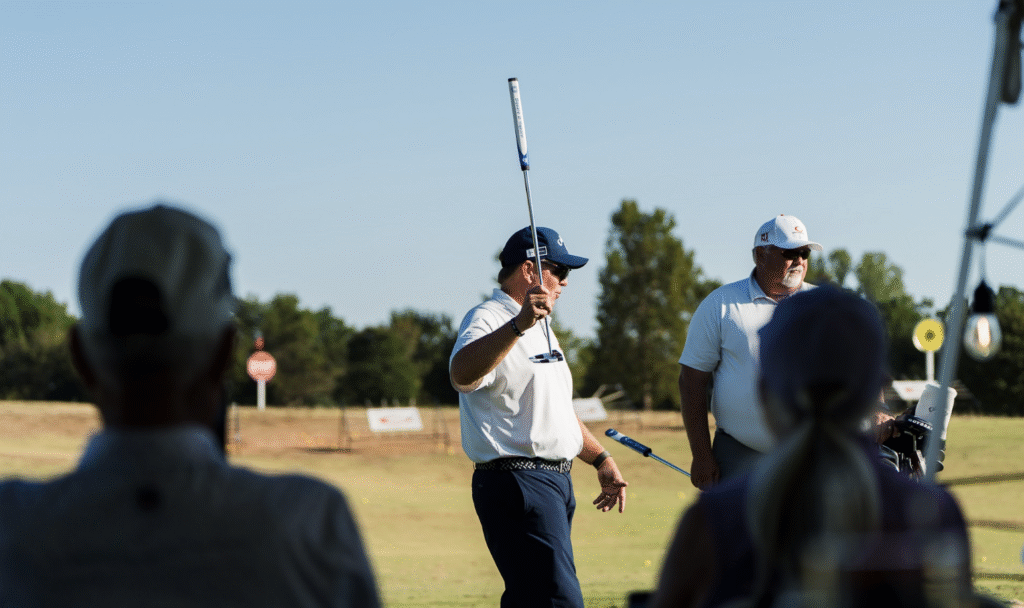
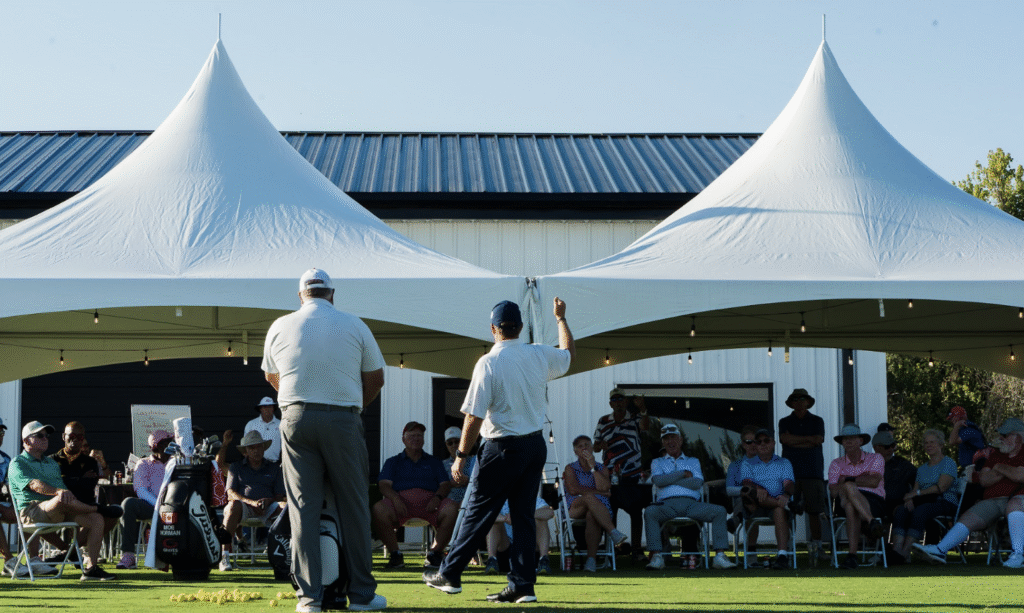
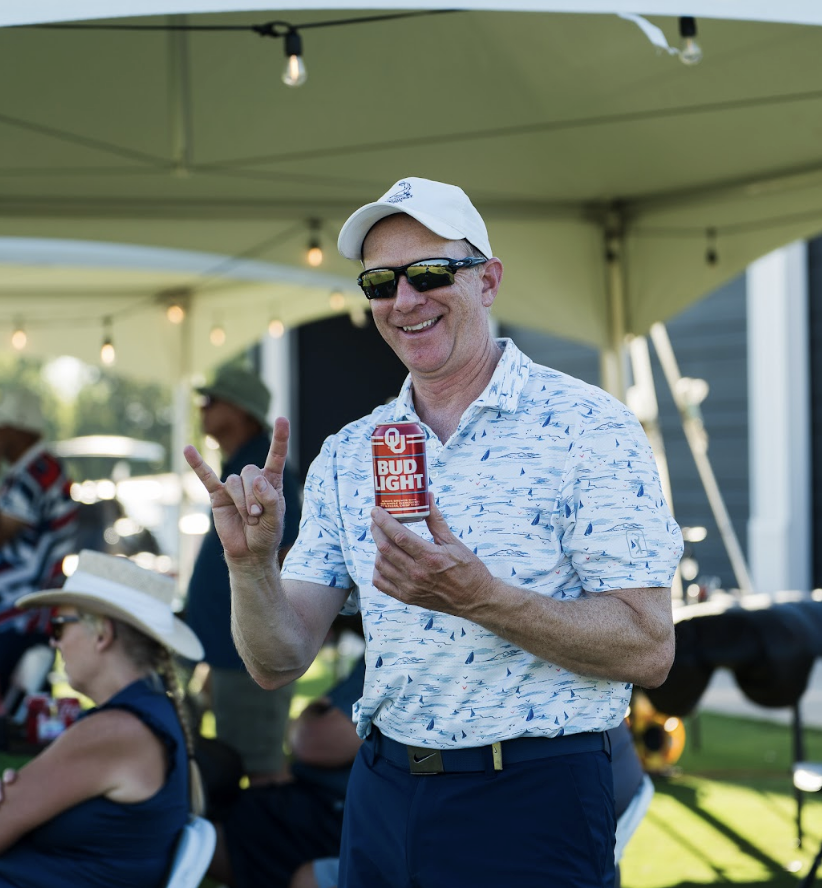
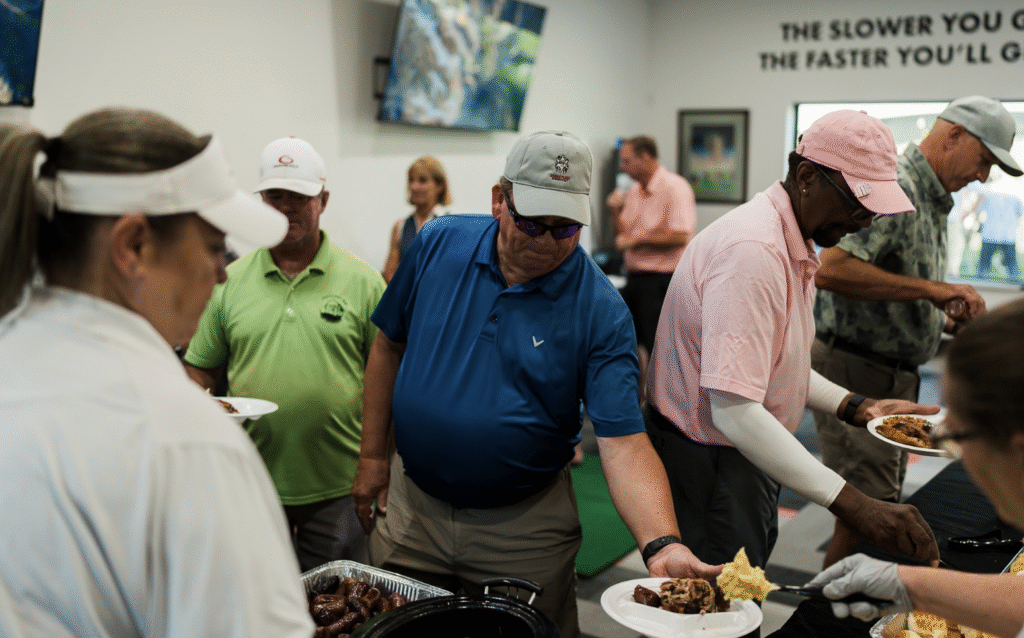
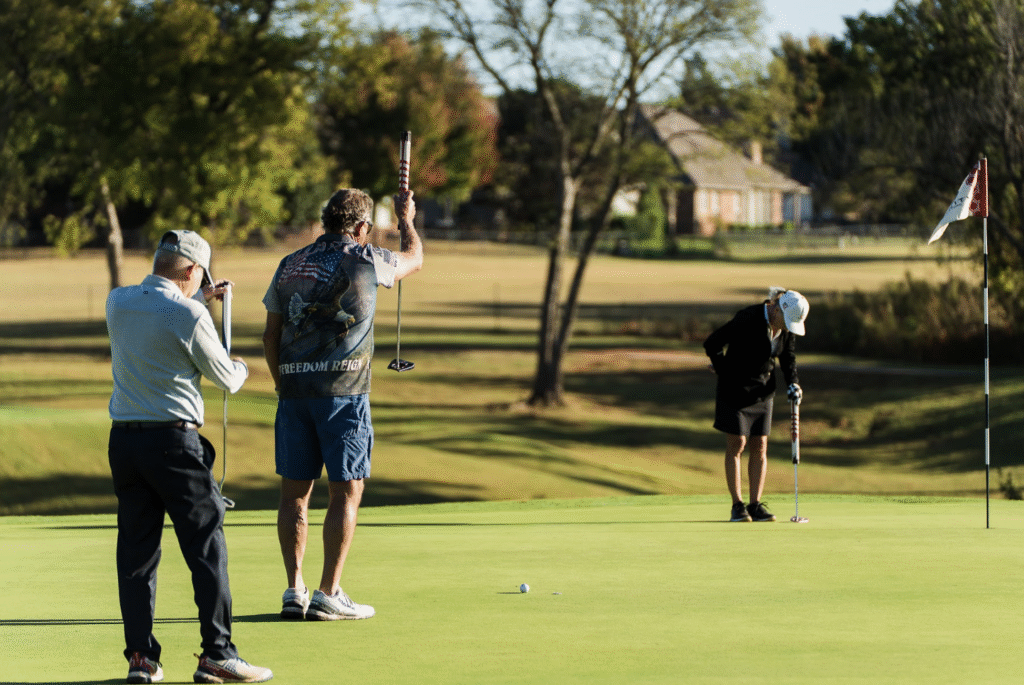
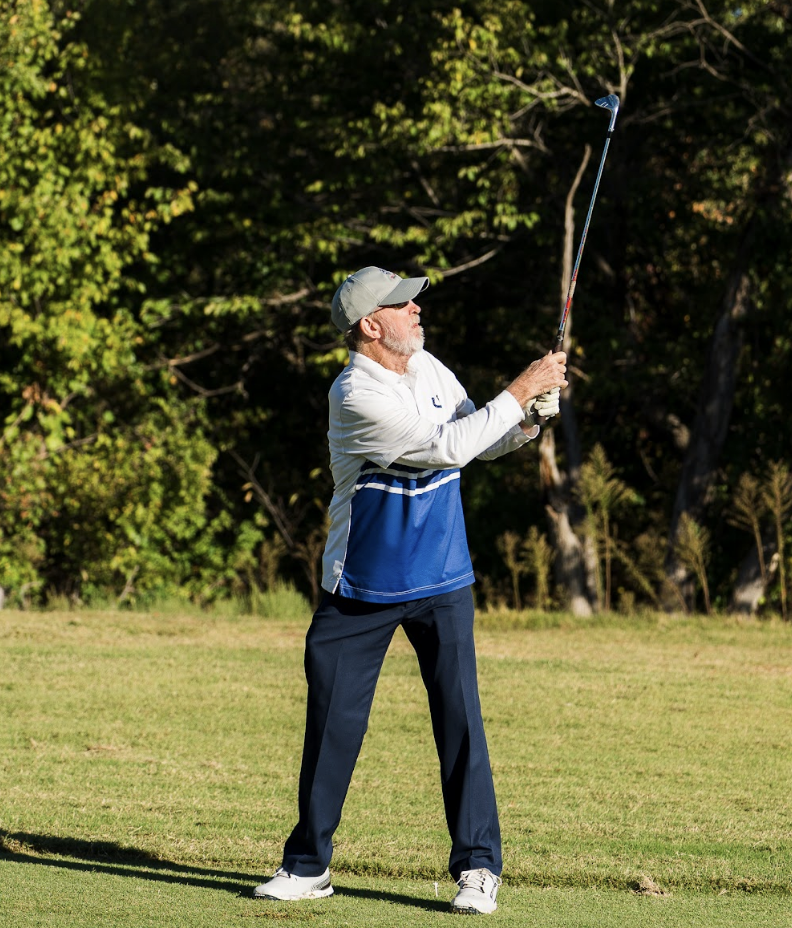
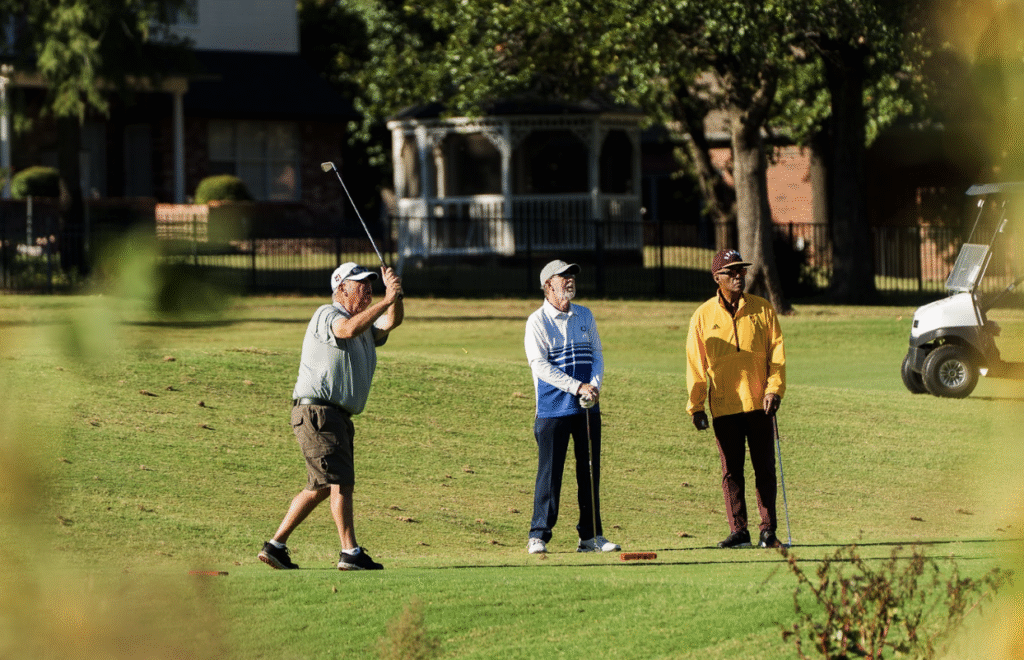
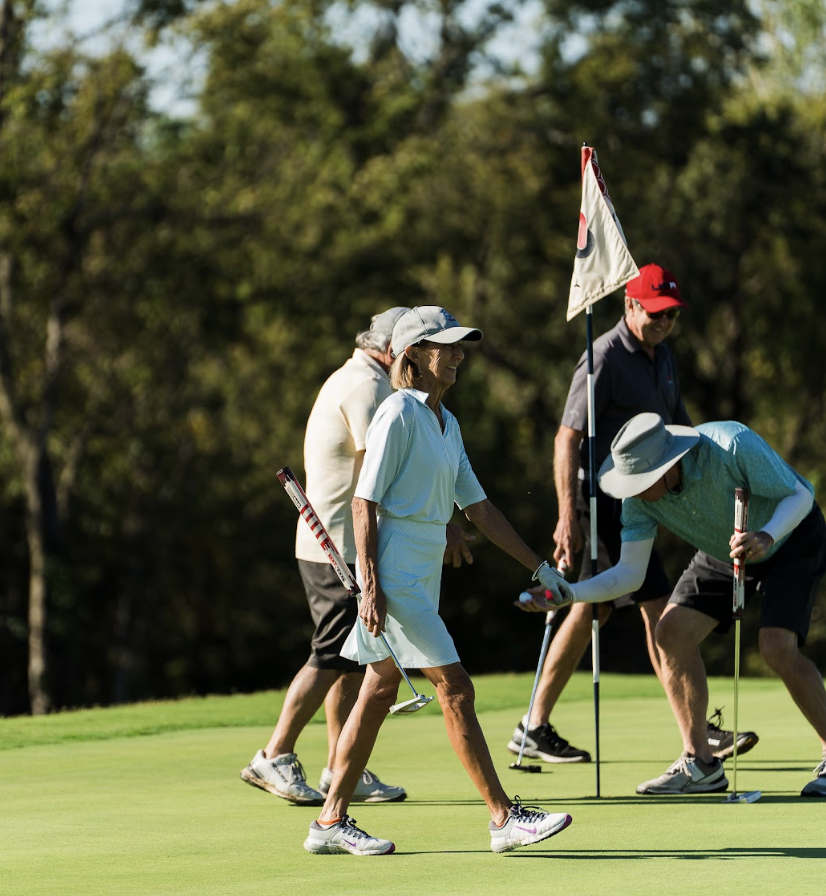
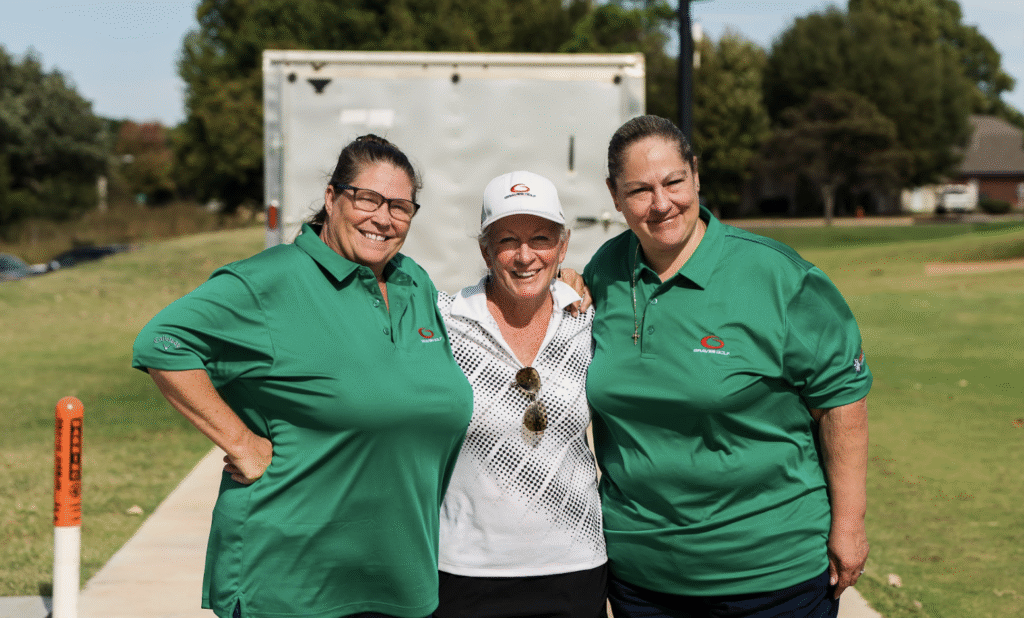
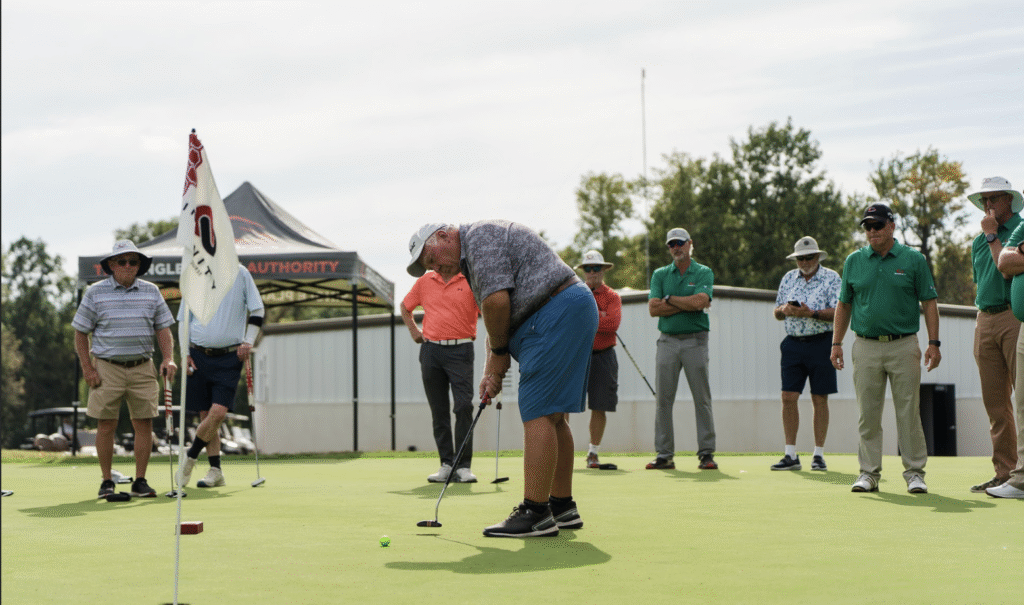
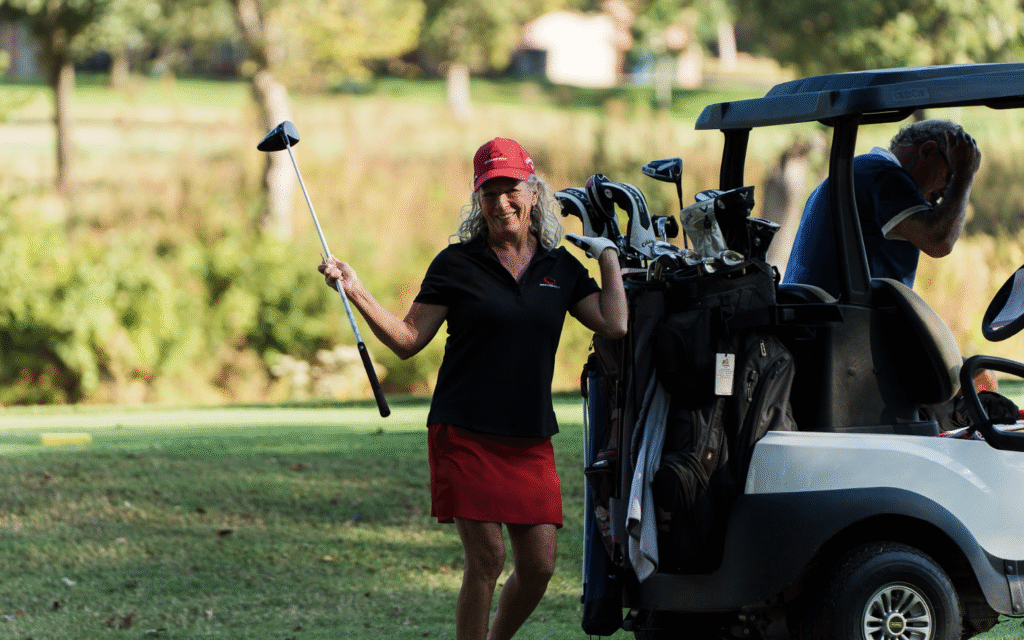
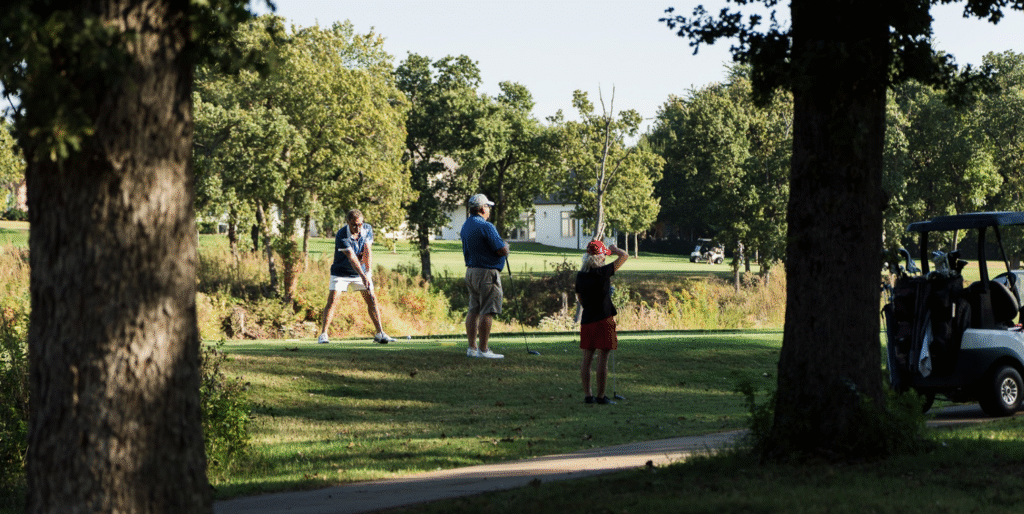
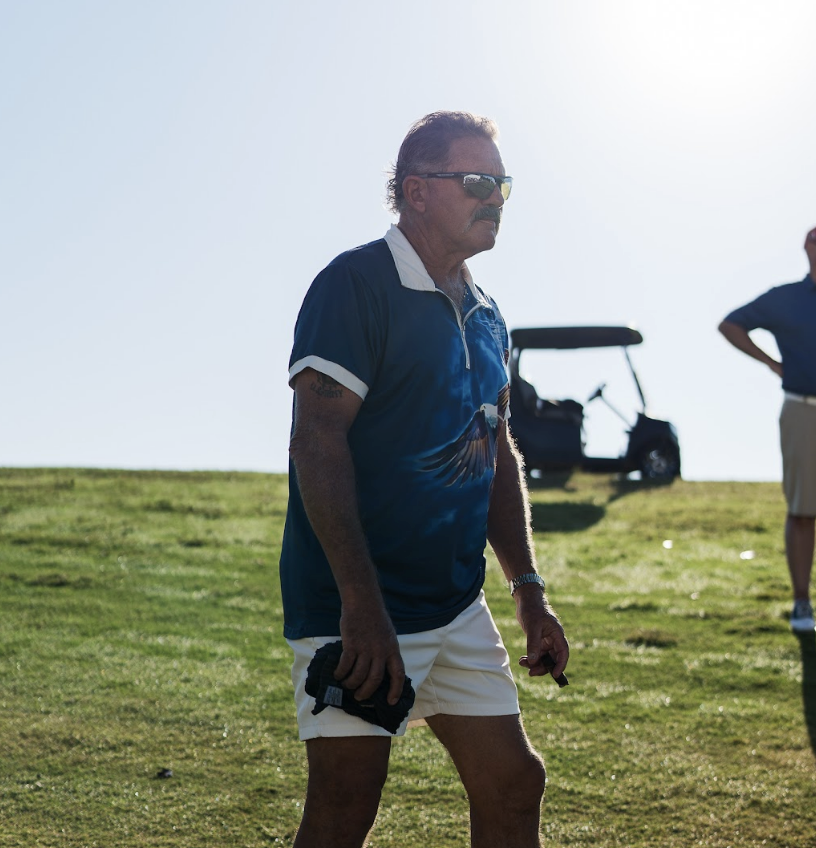
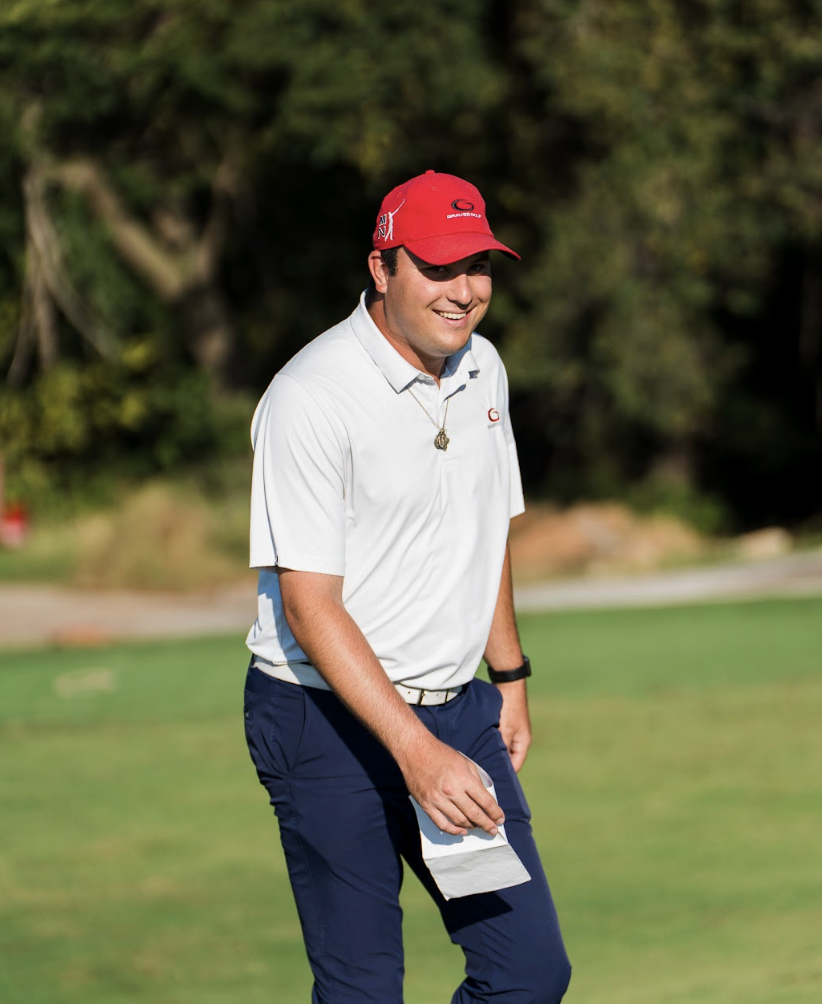
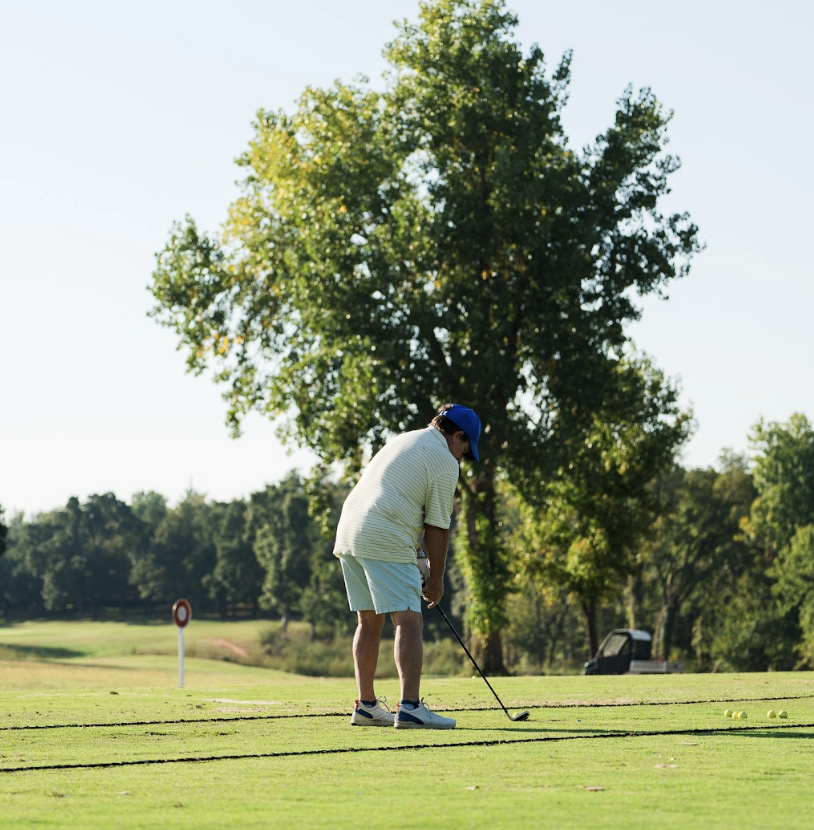
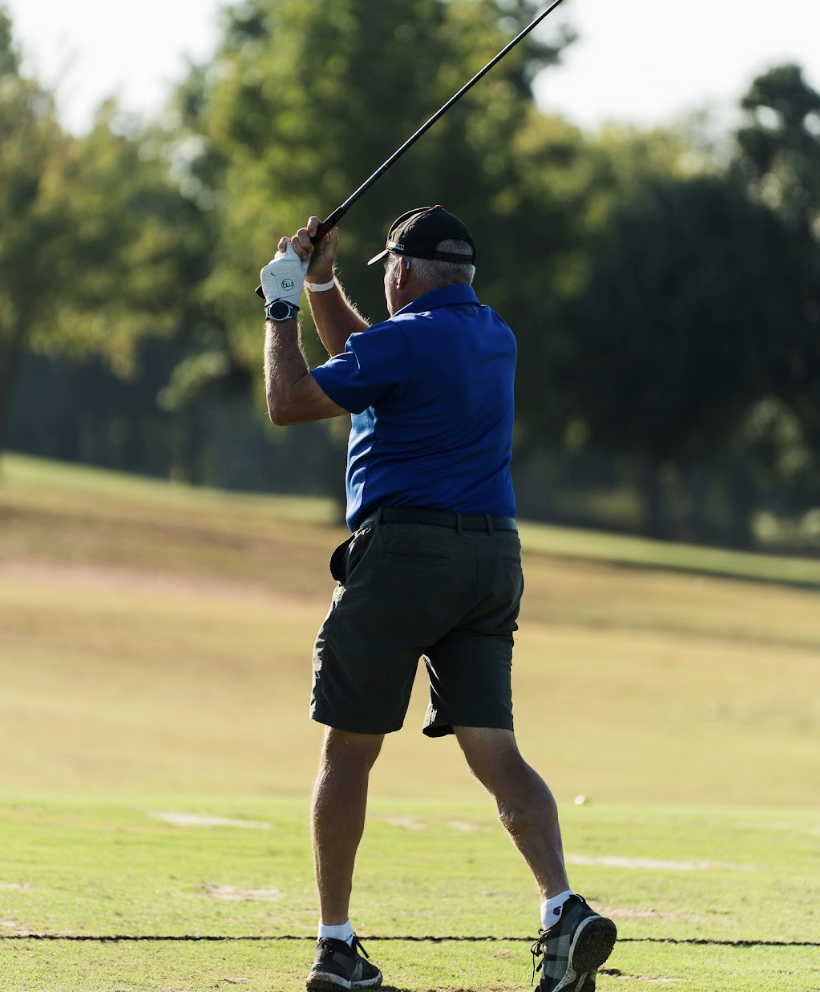
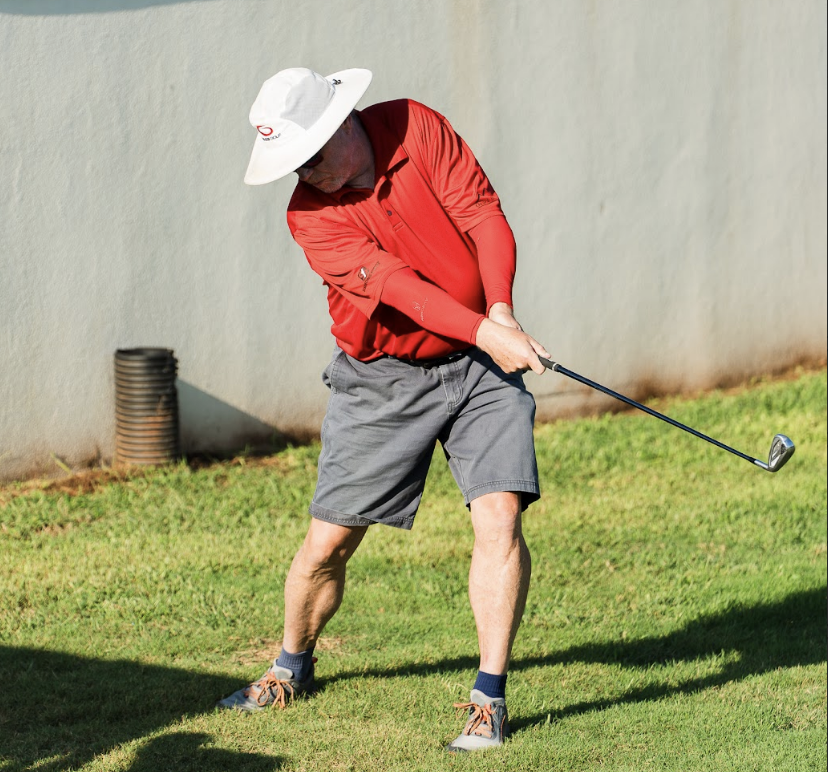
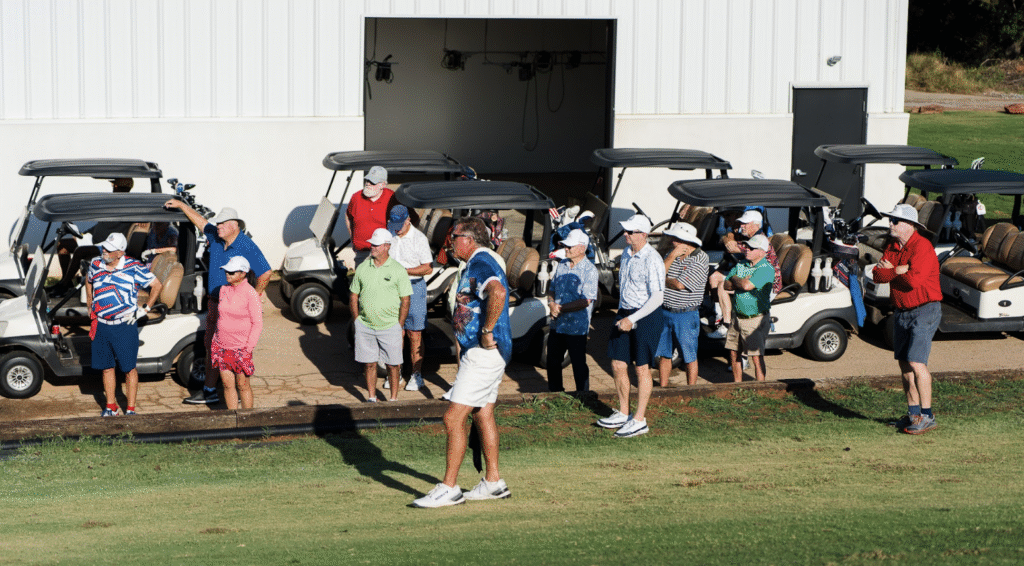
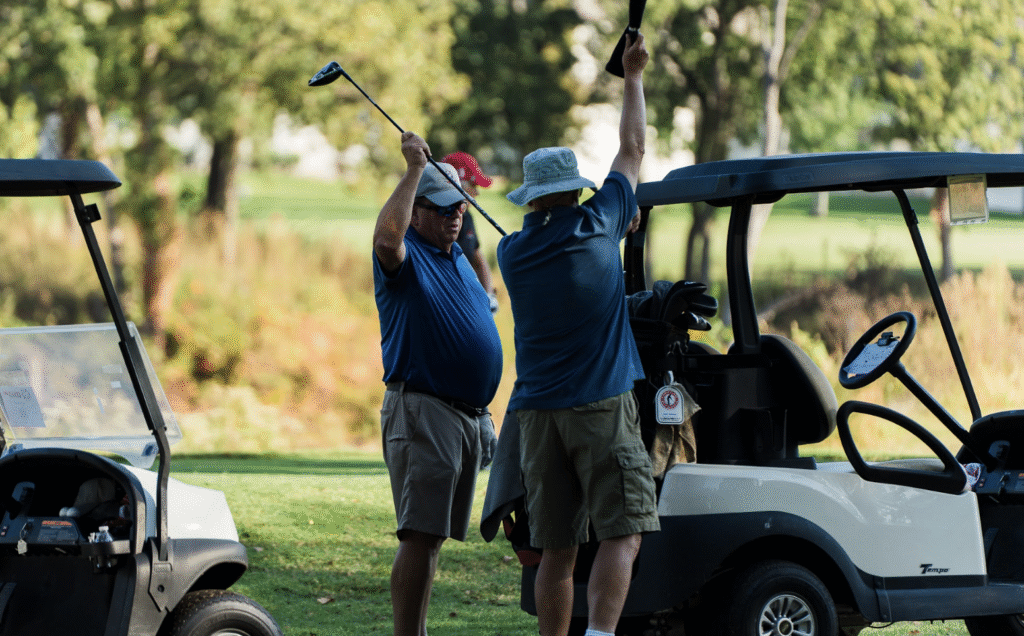
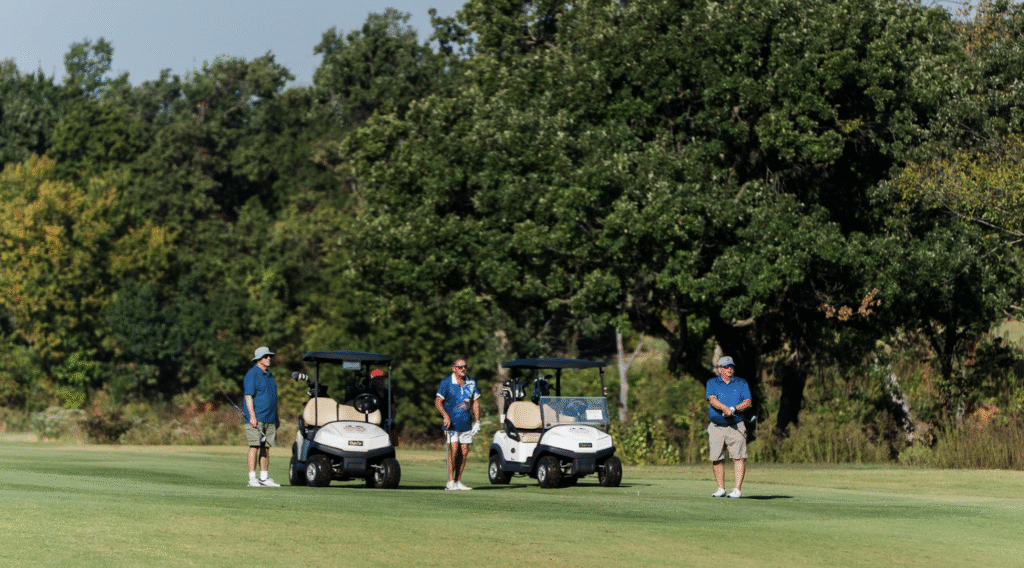
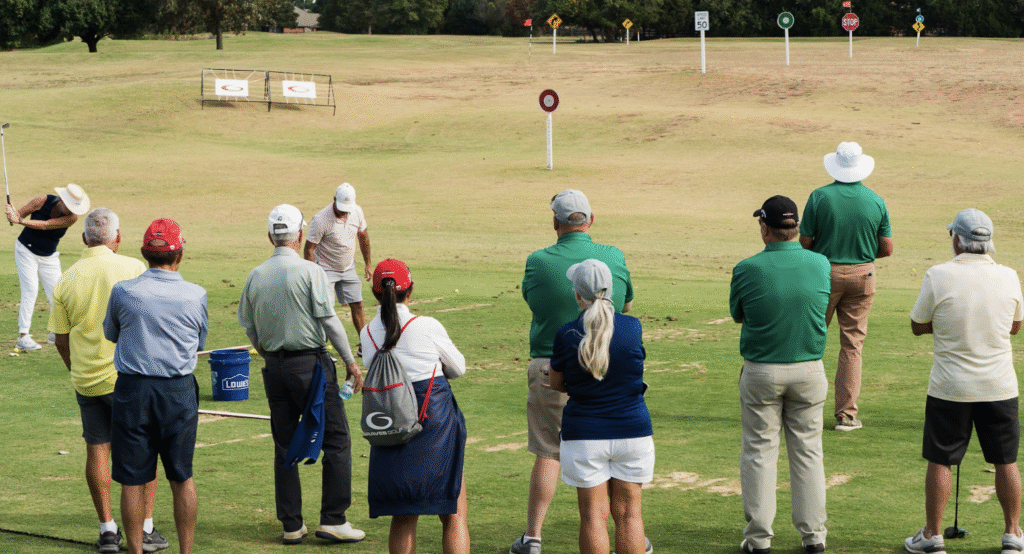
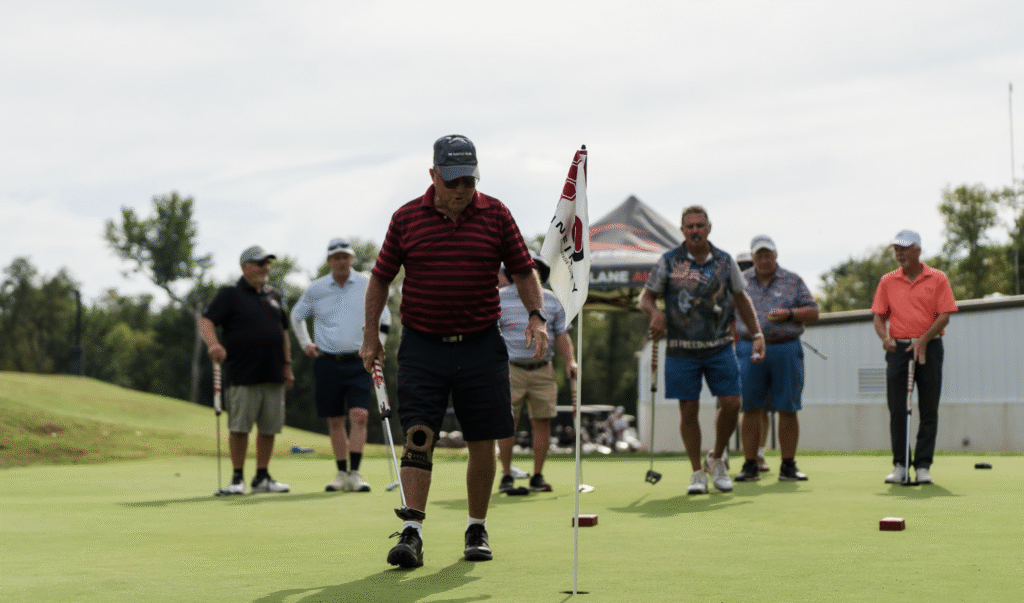
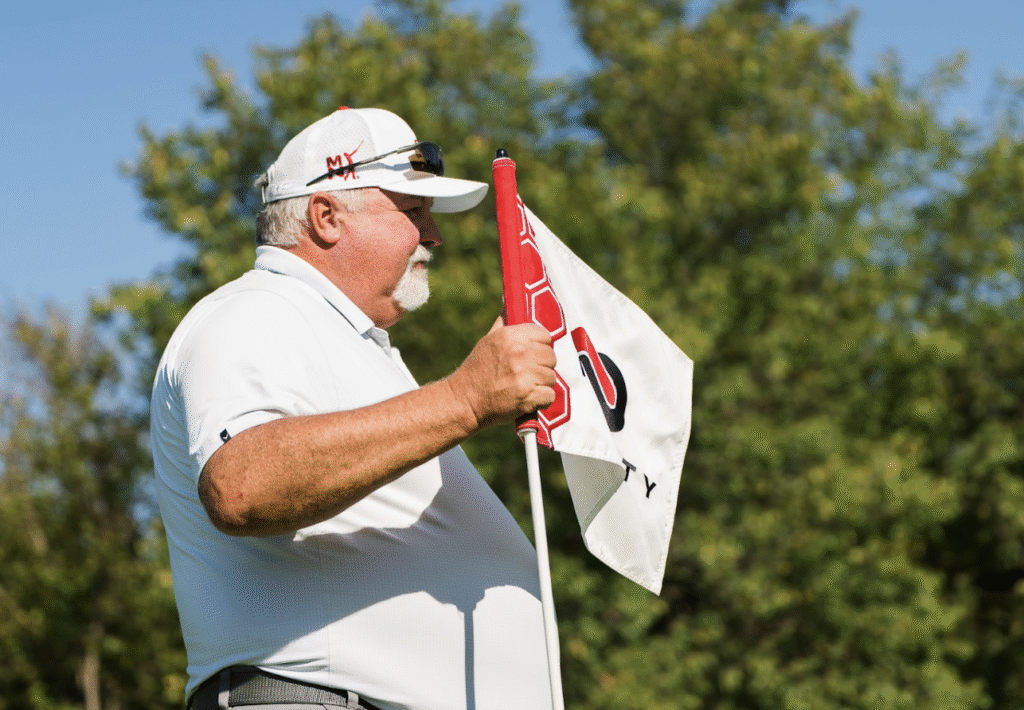
2025 Single Plane Shoot Out Pictures & Results

2025 Single Plane Shoot Out Pictures & Results

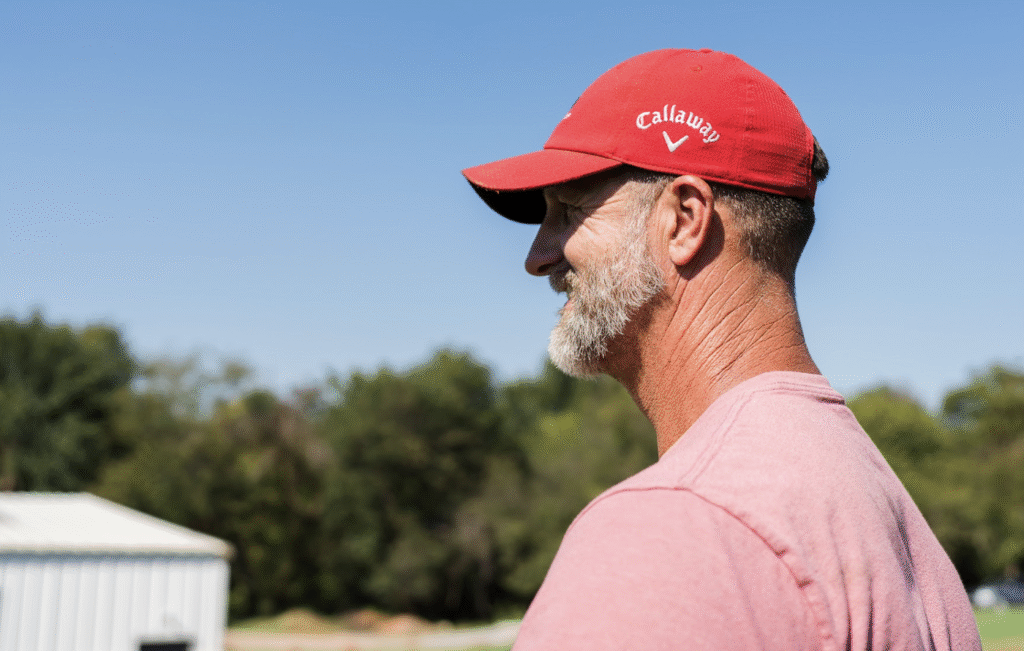
By Tim Graves, PGA

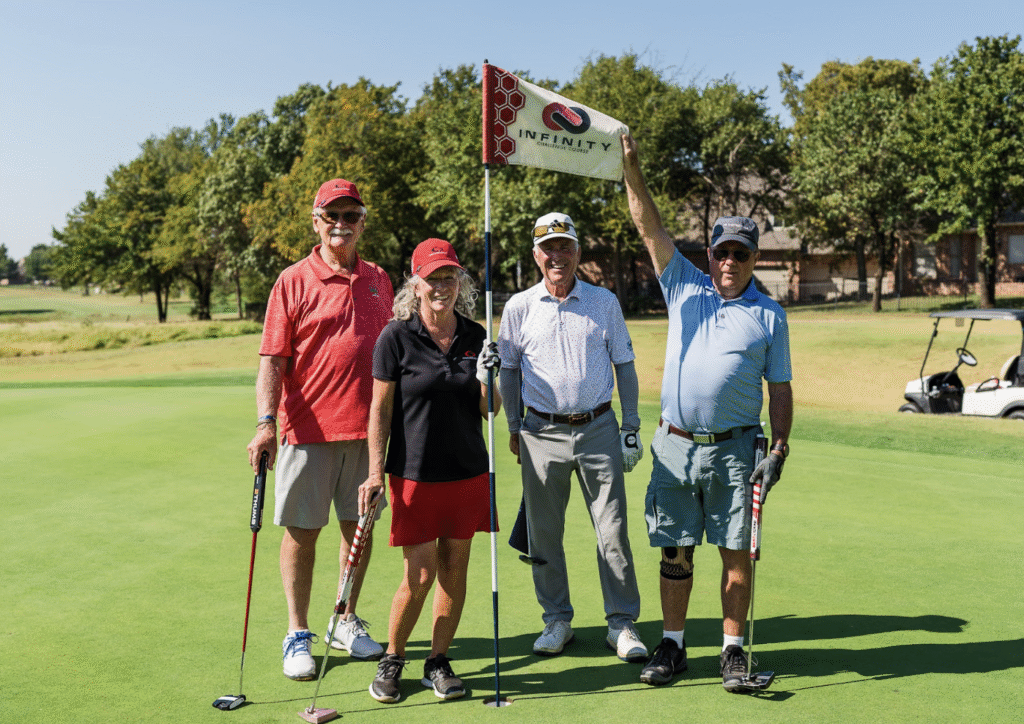
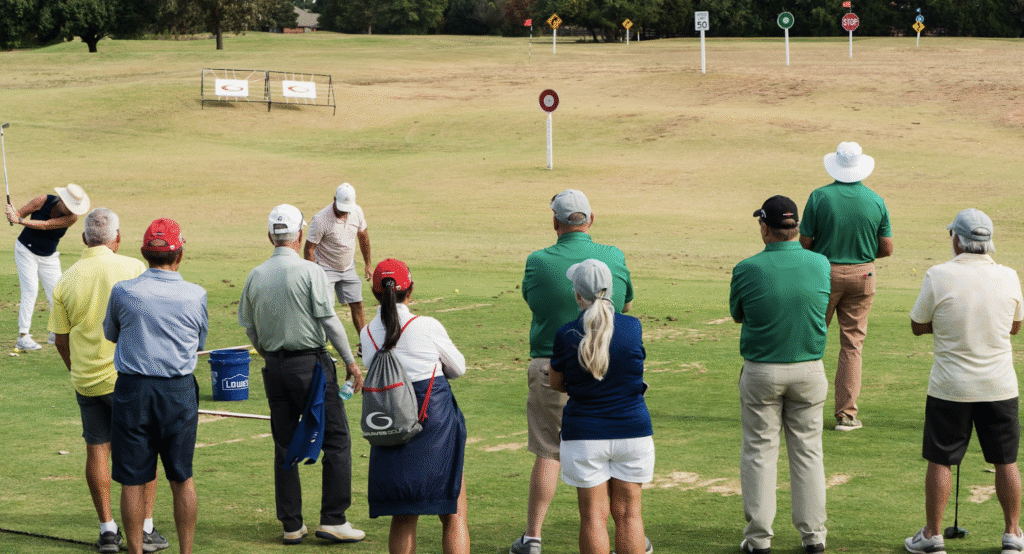
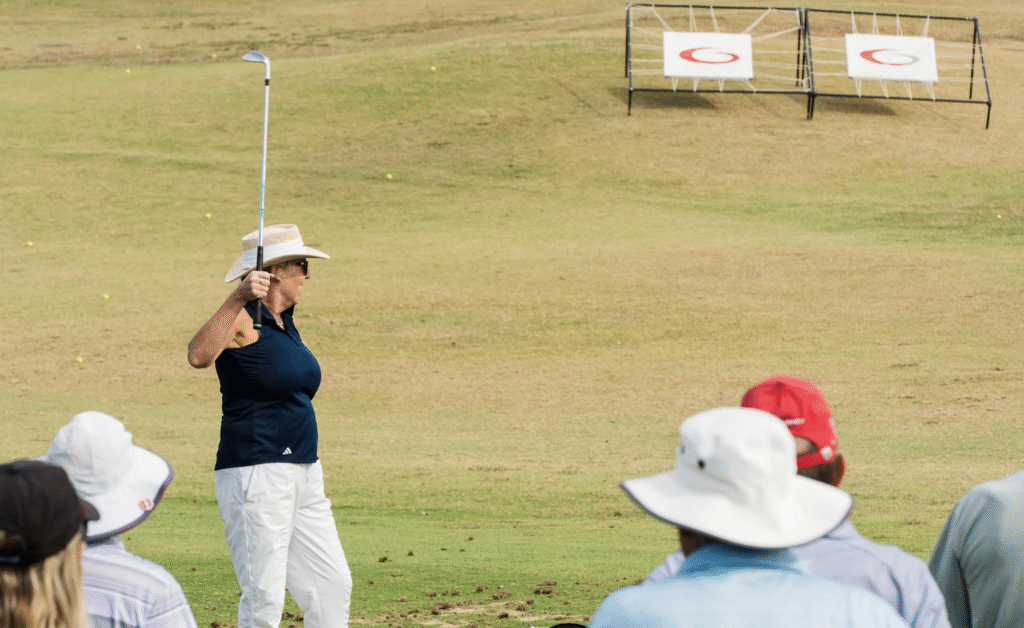
First – Want to THANK YOU everyone who attended the 2025 Single Plane Shoot Out.  We had a ton of fun, hope you had a ton of fun and look forward to seeing everyone again next year (see link below if interested..)
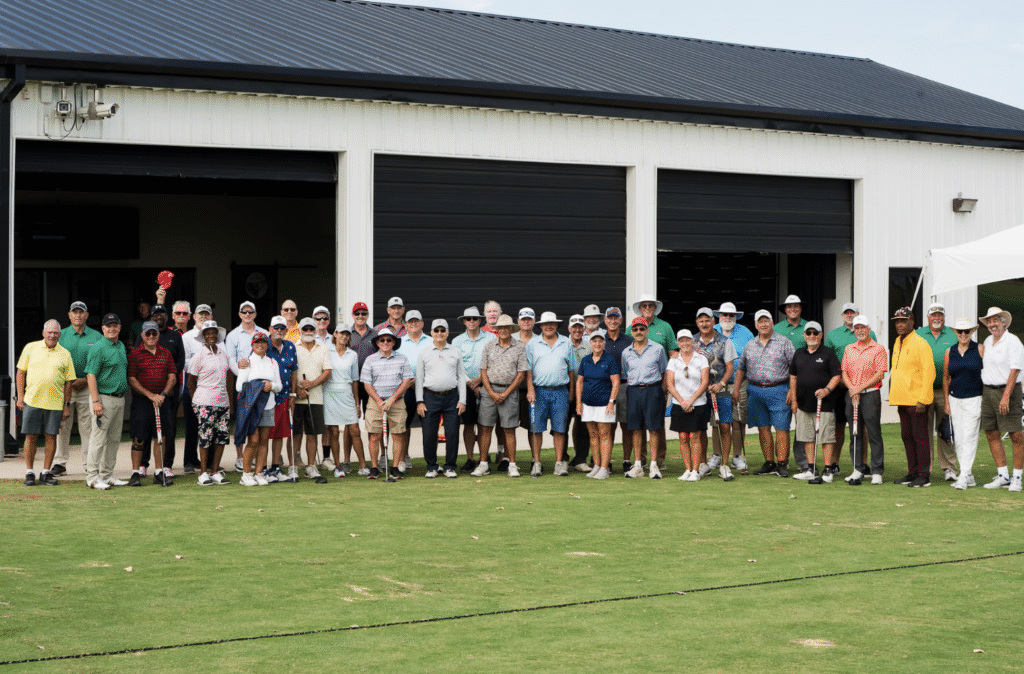
I (Tim) want to personally thank my entire staff for all their hard work putting the event together and in particular Brad Fulton, PGA and James Bell, USGTF for running this year’s event!!  And Nick (Tanya’s Husband) for the GREAT Barbeque Dinner!!  I have the BEST staff and count my blessings every day to be able to work with them (and work for them…)
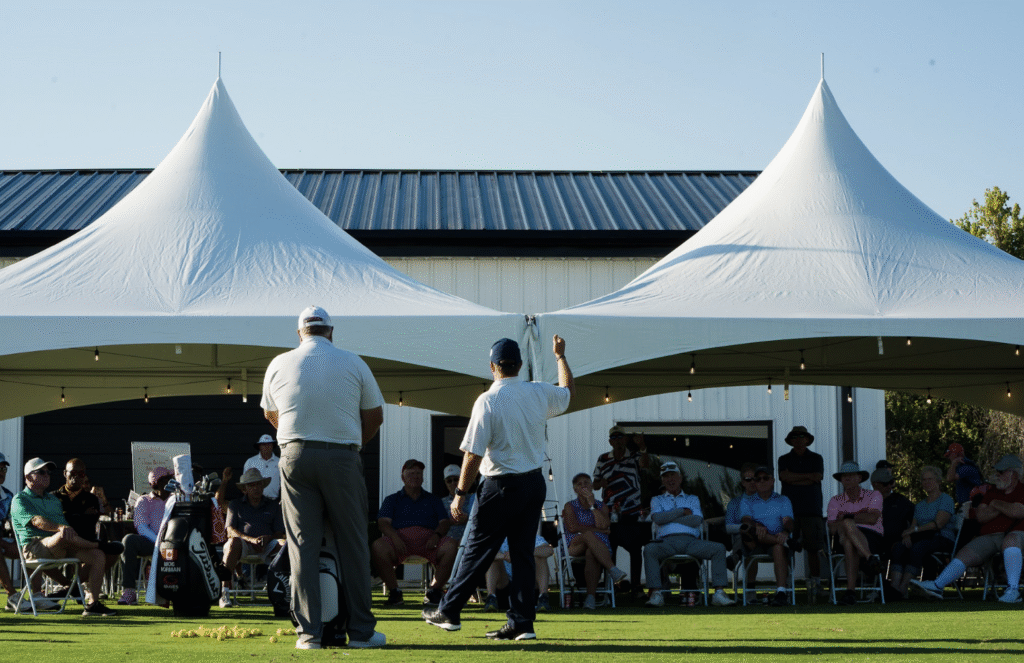
Winners of this year’s Shoot Out:

FIRST – CONGRATS TO JAMIE MCELRAVY FOR HIS HOLE IN ONE ON HOLE # 5 !!!!  

(And thank you for the beverages Jamie…)

MOST ACCURATE DRIVE – Bill Eppright (New Custom Driver)

CLOSEST TO PIN – Phillip VanNatta (6 Dozen Golf Balls)

BIG BREAK CHALLENGE – Phillip VanNatta (3 Callaway SP Opus Wedges)

LONGEST PUTT – Bob Bowen (Odyssey Putter)

9 HOLE WINNING TEAMS:

Day 1 AM:  Jamie McElravy, Charlie Nye, Bob Pratt

Day 1 PM:  (3 Way Tie) Jay Carroll, Myrna Medina, Chuck Chapman, Charlie Nye / Phillip VanNatta, John Merchant, Phyllis Conces / Brad Ables, Brian Melnyk, Robert Pearce, Wolf Zappe

Day 2 AM: (2 Way Tie) Willie Taylor, Leonard Metildi, Brian Melnyk, Robert Pearce / Phillip VanNatta, Dan Saelens, Sidney Strong, Brad Ables

Day 2 PM: (2 Way Tie) Brian Melnyk, Michael Stevens, Steven Montana / Chuck Chapman, Jamie McElravy, Penny Carroll, Rory Clark

GIFT CERTIFICATE TOTALS:

Jamie McElravy – $250

Brian Melnyk – $150

Charlie Nye – $150

Brad Ables – $100

Chuck Chapman – $100

Phillip VanNatta – $100

Daniel Saelens – $100

Robert Pearce – $100

Jay Carroll – $50

John Marchant – $50

Leonard Metildi – $50

Michael Stevens – $50

Myrna Medina – $50

Penny Carroll – $50

Phyllis Conces – $50

Robert Pratt – $50

Rory Clary – $50

Sidney Strong – $50

Steven Montana – $50

Wilbur Barry – $50

Willie Taylor III – $50

Wolf Zappe – $50

Congrats to all the winners!!!

2026 Single Plane Shoot Out Information:

Dates:  Oct 14 – 15th, 2026

Location:  Graves Golf Club, Edmond, OK

Limited to 60 Participants

Registration and Information:  CLICK HERE

Email me at: Timg@gravesgolf.com
Callaway Ti Super Hybrid Information

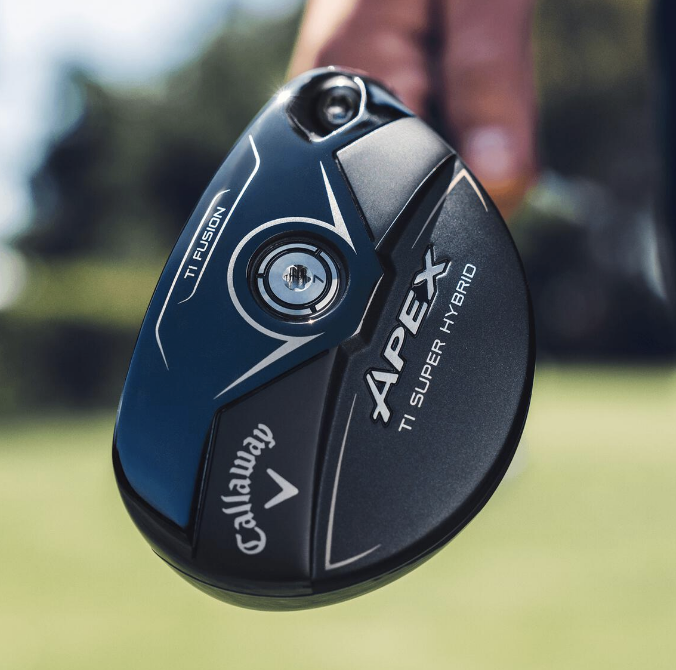
CALLAWAY APEX Ti SUPER HYBRIDS

AVAILABLE NOW

INTRODUCTORY OFFERS AVAILABLE

  • Just Released – New APEX Ti SUPER HYBRIDS are now available. They deliver fastest ball speeds and consistent distance across the face (biggest sweet spot), sole creates less drag (allowing more distance), and higher launch (maximizing distance).
  • Brazed Titanium Face
  • Step Sole Design
  • Adjustable for Lie Angle and Loft

Available:

16* (2H), 18* (3H), 21* (4H), 24* (5H)

These are LONG and FORGIVING!!

These clubs are like a hybrid and fairway wood combined… Ease of hitting a fairway wood with hybrid characteristics (holding greens easier, etc..).

I (Tim) will work with you individually to get these new hybrids fit to you and your bag PERFECT.

Facts:

All clubs will be fit to you perfect for length, lie angle, shaft flex and weight (upgraded shafting at no charge), grip size with our specialized GGA grips, etc.. at no additional charge.

We cover shipping and tax (within US).

Email Tim at timg@gravesgolf.com and we can work out the specifics.
INTRODUCTORY OFFERS AVAILABLE NOW

Distance – How to Add, Maintain & Limit Loss (Part 2) – (I was the Guinea Pig…)

By: Tim Graves, PGA

This week, the newest Single Plane University class launches … Speed Optimization.

In fact, I was the guinea pig for the test program and was able to regain swing speed I thought was gone forever.

After a few short weeks, I had regained 10MPH and started to win my PGA sectional events again …

I worked with Chris Henning (TPI / Graves Golf) with a Speed Formula designed to increase speed, maintain speed, and limit loss of speed over time.

I could not have won those events without putting in the work and benefiting from this increase.

The reality is that every decade, golfers lose 5–7 mph of swing speed — that’s up to 20 yards gone forever.

But, Speed Optimization isn’t just about adding yards — it’s about maintaining your power as you age, so your swing never gets old.

With the right training, you can rewind your biological swing age by 10 years, regain lost distance, and even hit it farther than your younger self.

To see more information about Speed Optimization Single Plane University: CLICK HERE

To view Speed and Distance Plane Talk: CLICK HERE

One of the most common questions we receive (seems every day) is “How can I get more distance?”

There are three areas you can work on / improve to help you get more distance on all your golf shots. Or at least maintain and LIMIT loss of speed over time…

And, all of these, you can and SHOULD work on over the fall / winter (training sessions) (all year long, but “hyper focus” in offseason if possible). Why? Because we tend to limit activity over the winter. This is a great time to increase your activity and limit the typical distance loss over the winter and potentially ADD distance over the time you usually loose distance.

Those three areas are:

  1. Club / Driver Technology and Fit
  2. Flexibility and Strength
  3. Swing Technique

Let’s break down each area a little.

1.  Golf Club Technology an Fit

Drivers – A few years ago, the USGA put together a set of rules limiting how much a golf ball can “rebound” off the face of a driver (a vague description) – thus putting a limit on the distance of the drivers. Since then, the golf industry realizing they can no longer make drivers that can hit it further off the face, have been working on technology that has made the “big” headed drivers more aerodynamic (thus less air resistance in the golf swing) and more prominent sweet spots on the face.

Older technology drivers had sweet spots the size of a dime (some smaller), newer technology drivers have sweet spots the size of half dollars (some even bigger). What that means is balls hit slightly off the middle of the club face will travel much further now.

And the key is the “average driving distance” you have, not the “one” you catch that happens to fly a long way. Meaning, if your sweet spot on the driver is large and you miss hit a few shots (or more) around off the middle of the club face, you will still get good/more “average” driving distance. Meaning, overall you will have less club into the greens, etc. etc.

Other clubs in bag (fairway woods, hybrids, irons, etc..) – Club companies have worked on optimizing all clubs in bag for distance by:

1 . Lowering center of gravity which allows golfers to hit balls higher with ease and thus getting more distance.

2. Increasing size of sweet spots on all clubs so miss hits will go longer.

3. Decreasing shaft weight and still keeping high integrity of the shaft. In other words, can now get light weight shafting in all flexes that are durable and will last a long time. Decreased shaft weighting will increase swing speed (with those clubs) and increase distance.

In the past few years, all clubs in bag have become SIGNIFICANTLY longer and more forgiving. Hopefully making the game easier for golfers by allowing clubs to be hit longer with ease…

Club Fit – All clubs in your bag MUST be fit to you and your single plane swing PERFECT or you will limit / loose distance. An improperly fit club can hit toward the heel, toe (improper lie angle), can hit off center (improper length), can have improper weighted (too heavy) shafting, have improper grip size, etc… Any of these issues can and will dramatically limit the optimal distance for your club(s). Your clubs MUST fit you to optimize your distance in those clubs.

So, if you are looking to maximize or increase distance – you need to have clubs that are “modern” or at least less than 2 or 3 years old and are fit to you PERFECT. These newer clubs have large sweet spots, lower centers of gravity, lighter high quality shafting, and have the highest technology for the least amount of wind/club head resistance in the golf swing.

If you have not been custom fit for your single plane swing, please go to: https://gravesgolf.com/free-club-fitting/

(It is a free service – submit form and we will reply with your custom fittings, recommendations, suggestions, etc..)

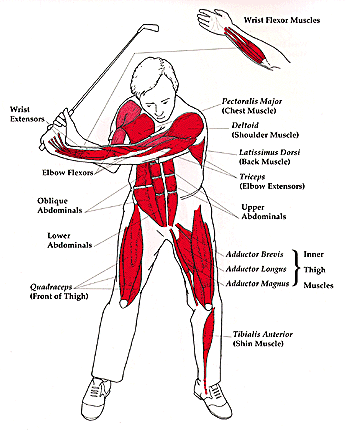
2.  Flexibility and Strength

The 2nd area to focus on with distance is flexibility and strength. And in that order. Too many worry about strength and not flexibility. Being strong with good, or great, flexibility “allows” you to get in positions in your golf swing to hit the ball with reasonable distance.

As we get older, we loose our strength and more importantly our flexibility, when we start to loose our elasticity, we can no longer create certain angles in the golf swing that will allow us to create “leverage” in the golf swing which in turn produces speed and distance. Lose of knee, hip, shoulder, arm, wrist, hand, etc.. flexibility and strength will all potentially decrease distance (with all clubs).

These are the different areas you need to consider when looking to increase / maintain / minimize the loss of speed over time.

  1. Flexibility
  2. Balance
  3. Power and Strength
  4. Speed & Accelerator Producer Upgrades
  5. Pre-Round Warm Up
  6. Checklists and Tracking to Monitor Speed Increase or Maintainence

All these areas must be worked on, monitored and / or maintained to increase speed, maintain the increase and to decrease the loss of speed over time.

3.  Swing Technique

A crucial factor to get more distance is to improve your technique. It is always interesting, one of the things we do at all our schools and camps is to measure our students swing speed. We then correlate it to their driver swing speed and the average distance they should be hitting their driver. For most (those that swing 85 to 90 mph), they should be hitting their driver 230 to 240 yards (with a little roll).

For most, when they find out how far they should be hitting their driver with the speed they currently have, they are shocked. Why are they hitting it so short compared to where “their potential” says they should be hitting it? Because of technique. They are not hitting the golf ball off the “sweet spot” of the club with a “direct hit” from the club that is on the path.

In other words, they are hitting “glancing blows” that is creating side spin which is limiting or reducing the distance they should be hitting your clubs.

Working on swing technique – working on getting the club on the proper single plane / path, with a square club face through impact and ultimately, limited to no side spin, will give you the maximum distance.

In conclusion, to answer the all too common question, we get from so many of our students / customers:

How can I get more distance?

(Or as important, how do I maintain and / or limit loss of distance with age..)

Answer:

1.  Obtain new / modern clubs that FIT YOU PERFECT that has the highest technology for increased sweet spot, low center of gravity, limited wind resistance (aerodynamic), proper shaft weighting and length, perfect grip size for you, etc..

2.  Work / continue to work on flexibility (especially over the “off-season” months when so many loose elasticities because of an increased static lifestyle), work on balance and strength, work on a pre-round warm up routine, etc…

3.  Always work on improving your technique to maximize the optimal hit on the ball with limited side spin and enhanced sureness of hit.

Be watching our next upcoming SINGLE PLANE UNIVERSITY – SPEED OPTIMIZATION

To see more information about this program: CLICK HERE

A 6 week program designed SPECIFICALLY to help you increase speed, maintain speed and limit loss of speed over time.

Please feel free to contact me anytime at timg@gravesgolf.com with questions, comments, etc.
PROCESS = FREEDOM & RYDER CLUB OBSERVATIONS

By Tim Graves, PGA & Bob Ciminera

From: Bob

Many thanks to you (Paul Monahan), Tim, and James for an excellent AI School last week.  The technical teaching and the constant encouragement were very motivating to me in my quest to improve my game.

To answer your questions:

1. My key insight was that Process = Freedom.  Starting with the word Trust followed by the Big Ideas you listed above … gave me an immediate feeling of liberation as I worked on my game all the way through the short game school last week.

2.  With respect to the Ryder Cup, I had the privilege of being invited by one of my suppliers, DP World, to be a live pectator over the weekend and flew from the Short game school to be there on Saturday.   I spent about 5 hours at the match until I decided that was enough and watched the rest on TV!   
My key insight was in alignment with what Tim said during the AAI school.  There was more pressure at this event for these guys than any other event.  The crowd was every bit as loud and rude as expected.  Great shots by the US were cheered loudly but shots that on any other day would be excellent were heckled by the crowd as if they could do better.and that was for the home team.  The reverse was true for the Europe team, bad shots were cheered and good shots …well … that quieted the crowd.  Creating an ironic motivation for the away team !.  Of course that did not shut up some of the more vocal, and drunk participants which I mostly spared myself of by leaving at 230PM.  The only saving grace perhaps was that the cheapest beer was $16.
It was clear that the Europeans as a group were better prepared to deal with that.  It seemed that the US preparation had the effect of increasing pressure on the team and ultimately overwhelmed whatever processes they had as they got up to make a shot.  There were many examples of this, the most obvious one was the missed birdie putt on Sunday that was left short for the match.  

Viktor Hovland provided one of my favorite quotes from an interview before the match which exemplifies the learnings from the AAI school:  When asked how he felt about the hecking at the match, he said “There’s going to be some comments here and there.  They won’t really come close to the thoughts in my own head.”  

I felt bad for Viktor Hovland that he had to withdraw especially in light of Tim’s connection but at least he contributed to a winning Ryder cup team.

Finally, I would love to see Tim and you do a podcast with your insights on the match similar to what you did for the Masters. 

Thank you again for a wonderful program.  I had high expectations and you, Tim, and James and the Graves team exceeded them.

Very much appreciated!

Best regards,

Bob Ciminera, AAI (Mental Game School) Alumnus

Why You Can’t Rush Learning!

Ralph J. Rabago, M.S.

Graves Golf Academy Master Instructor / Single Plane Academy Elite Coach

USGTF, Master Teaching Professional/Professional Golf Coach

We often get asked at our schools and by our Academy members, “How long will it take to learn this?” and/or “How many repetitions do I have to do to get this?” While we can’t provide specific answers as everyone has their own unique abilities and athletic backgrounds, the key takeaway is that you can’t rush learning, but you can be as effective and efficient as possible.

To help you become a more effective and efficient learner, I want to discuss three important concepts:

1. Deep Practice:

As defined by Daniel Coyle, author of “The Talent Code,” Deep Practice is a focused and repetitive skill-building activity that pushes you beyond your current limits, encouraging you to learn from mistakes. It involves operating at the “edge of your abilities,” embracing errors, and finding a “Sweet Spot” where the challenge promotes growth without being overwhelmed. This isn’t quick mindless repetition; it’s about repeating specific techniques with focused attention, often breaking complex skills (like a golf swing) into smaller components (positions). Deep Practice is thought to stimulate new neural connections which are essential for developing new skills and improving performance. Receiving and incorporating feedback is crucial for continuous improvement.

2. Deliberate Practice:

Florida State University psychology professor Anders Ericsson defines Deliberate Practice as a focused, goal-oriented training method that requires consistent effort to improve performance. This means breaking down skills into smaller parts (positions) for repeated practice, setting tailored goals with ongoing assessments, putting in consistent effort that may not yield immediate rewards, and actively seeking expert feedback while reflecting on your performance to guide future practice.

3. Time Under Kinesthetic Control & Awareness:

We often share this story about Moe at our Premier Schools. During exhibitions, Moe would emphasize Position 5.5, club parallel to the ground and target line in his finish (a picture might be perfect here) as one of the most important positions in the golf swing. When asked how he learned this, he’d reply, “I stood that way for a day.” This might have seemed like an exaggeration, but it highlights the reality: by holding this position, Moe spent significant time under kinesthetic control and awareness of his body. This “extended time period” allowed for the opportunity to develop the neural connections necessary to acquire this new skill, make it repeatable and improve his overall performance. It’s interesting that despite, or possibly because of Moe’s social and learning challenges/differences, he intuitively understood that this would be the best way to perfect his Single Plane Swing.

So, how can we use this information to enhance our learning and performance?

  • Believe and commit to the developmental process of “Moe’s Magic Formula”: Foundation (Address & Grip), Positions, Sequence, and only then, lastly Speed.
  • Actively seek feedback from your coach
  • Challenge yourself to slow down and “feel” the proper positions
  • The best way to work on the positions and movements is with mirrors in both the Face On and Down the Line views, this will enable you to make your coach directed corrections immediately and in “Real Time” while holding, feeling and kinesthetically learning the correct position (the next best way would be to record yourself and immediately analyze the video, then go back and make the corrections while again recording to confirm the changes/adjustments directed by your coach)
  • When working on positions take each repetition individually, including the walk-in, set-up, and slow-motion movement to the next position and hold…the goal is not to see how fast you can complete your reps (Quality trumps Quantity!)
  • Spend time in the proper positions, fostering kinesthetic control and awareness to build the neural connections needed for the development of a new skill
  • Create and adhere to a consistent training schedule (If it’s not scheduled, it probably won’t happen)
  • Set one specific training goal for each session
  • During your training sessions have the self-discipline to stay in the present and focus on your single goal (without overreacting to current results)
  • Adjust future training sessions based on feedback and reflections on your performance including performance statistics

Remember, all of us at Graves Golf are here for you! If you have any questions, please don’t hesitate to contact us.

Winner, Winner… Chicken Dinner x 2: Smart Golf Is Winning Golf

By Tim Graves, PGA

Hello Everyone –

Wanted to write an etip about something I went through last couple of weeks, and maybe will help you a little…

In the past 2 weeks, I (Tim) have won 2 South Central Section PGA events. The first was the South Central PGA Hall of Fame Championship (held at Meadowbrook Country Club in Tulsa, OK). I shot 5 under for 36 holes and won by a shot. The 2nd was the South Central Section PGA Senior Team Championship (held at Oakwood Country Club in Enid, OK) in which I won with Shannon Friday as my partner – we shot 13 under for 36 holes (18 holes scramble (-9) and 18 holes alternate shot (-4)).

Wanted to write about a couple things that really helped me in the event(s).

Meadowbrook is a VERY tight golf course off the tee. Very narrow sloping fairways that slope into rough that was pretty deep for the event. During my practice round at Meadowbrook, I realized very quickly driving accuracy (hitting fairways) would be a PREMIUM.. Accuracy was MUCH MORE important that distance as the rough was thick, greens small and very tight holes (all holes tree lined with BIG / OLD trees). So, before the event began I decided I would work on control off the tee before I thought of distance.

How did I do that…. Control over distance…:

  1. On every tee ball I took the approach, aim small, miss small (target), tried to find the widest part of fairways and swung what I call “80%”. Meaning, I swung in control on every tee ball. We talk about a lot about this in our AAI / Mental Game Schools. I thought about Balance, Tempo and Tension over every shot… in particular, every drive. Keep in great balance, relax over the ball and in the swing, and slow down when needed… When getting nervous, consciously work on good tempo.. slowing down when needed in back swing, preshot routine, etc.. There were many times I would actually choke down on the driver an inch or so for added control and feel…. accuracy, accuracy, accuracy over trying to get extra distance. For the 2 days at Meadowbrook, I only missed 2 fairways (26 for 28) and because of that was able to hit 32 of 36 greens in regulation.
  2. On the 18th hole (on the 2nd day of the event / last hole of the event) – I pulled my tee ball into the left rough off the tee (one of 2 fairways I missed in 2 days…. maybe a little extra nervous..) A 400 yard par 4, dogleg right, uphill with a lot of trees and rough on both sides of the hole. When I got over my second shot, I determined I had 2 different shot options. I was 160 yards to the hole, pin in middle of green, with a big bunker protecting the front of the green. Option #1 was to try and go over the trees with a “flier” 8 or 9 iron (I determined was probably a 50 / 50 option if could get over trees, hold green, etc..). Option #2 was punch out to the fairway and leave a pitch type shot to the hole from X yards out. I took Option #2 as Option #1 could potentially put a BIG number into play. Option #2, at worse would be bogey, and hopefully that would be good enough to win or get into a playoff (in our events, we don’t have scoreboards, so we are guessing where we stand…)

But while taking Option #2… I did not just randomly punch out from the rough and around the trees in front of me. I walked up the fairway and determined a landing / stopping spot that would be 70 yards out from the pin. Why 70 yards? Because 70 yards is a full, comfortable lob wedge for me that I could hit to the pin with reasonable spin and am very comfortable with that shot.

So, I punched out to my chosen spot (as close as I could). I left myself 67 yards to the pin.. middle of green, over a big bunker, etc… I hit the lob wedge 6 feet behind the hole (told you I hit it 70 yards..lol) and ended up making the putt to win the event by a shot.

Maybe this can help you next time you are on a similar course or in similar situations.

  1. On tight courses and / or when you are not feeling comfortable over the driver. Think 80%, control over distance and focus on Balance, Tempo and Tension. Many times you will actually hit it future with these thoughts (hit sweet spot more) and promise you this will help you with accuracy and control.
  2. You must always look at the “odds” or potential outcomes when approaching a shot, in particular a difficult / risky shot. And you must always take the BIG NUMBERS out of play. A bogey never hurt anyone or anyone’s score. Doubles, Triples, Others…. these are problems. And when you “take your medicine” as we call it, make sure and lay up to a position / distance you are comfortable with if possible. Don’t randomly punch out to a spot that you are not comfortable with if possible.

Overall – I believe I did well in these events because of “Smart Golf” over Distance / Other golf.

Maybe using these tips can help you next time you play or in particular are playing for something and those nerves are “kicking” a little… Smart Golf is Winning Golf…


LEARN

THE

SWING

Join 1M+ Subscribers to get your FREE Video Quick Start Guide that reveals how to hit the ball farther and straighter more consistently from now on…

START YOUR NEW GOLF SWING