By Tim Graves, PGA
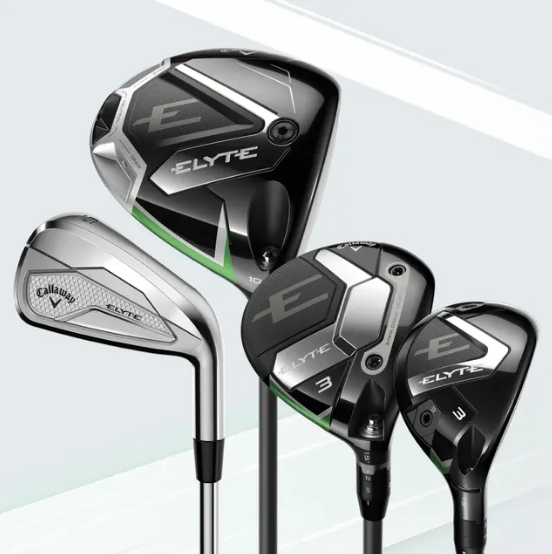
This week is the annual PGA Golf Show in Orlando, FL. The show is held each year and attracts thousands of professionals from across the country (and world) to see the new golf attire, golf course equipment, golf clubs and anything else you can imagine associated with the game of golf. Immediately after the show, most golf club/equipment companies release their new lines of clubs for the upcoming year. They introduce them at the show, and put them “on the market” immediately after.
Myself and my staff always attend the show, and as always, spend the days wearing out our feet while making sure to see as much of the new equipment as possible. After seeing all the new equipment and spending many hours taking to the reps about their equipment, it is always a good time to review with all of you how the Graves Golf Academy fits clubs to your single plane golf swing.
First, let’s talk about fitting – or as I call it “Taking the excuses out of your bag”. It is absolutely imperative all clubs in your bag are fit to YOUR single plane swing. As I discuss the different areas of fitting, I’ll explain why each area is so important.
I’ll will remind now (and later) – everyone can get a free fitting through Graves Golf at: https://gravesgolf.com/free-club-fitting/
(Please give me a day or two to respond with your recommendations as some days we receive upwards of 100+ requests for fittings – and each response is personalized.)
There are 6 areas we look to fit clubs to your single plane swing. Length, lie angle, shaft flex, grip size, loft and set make up.

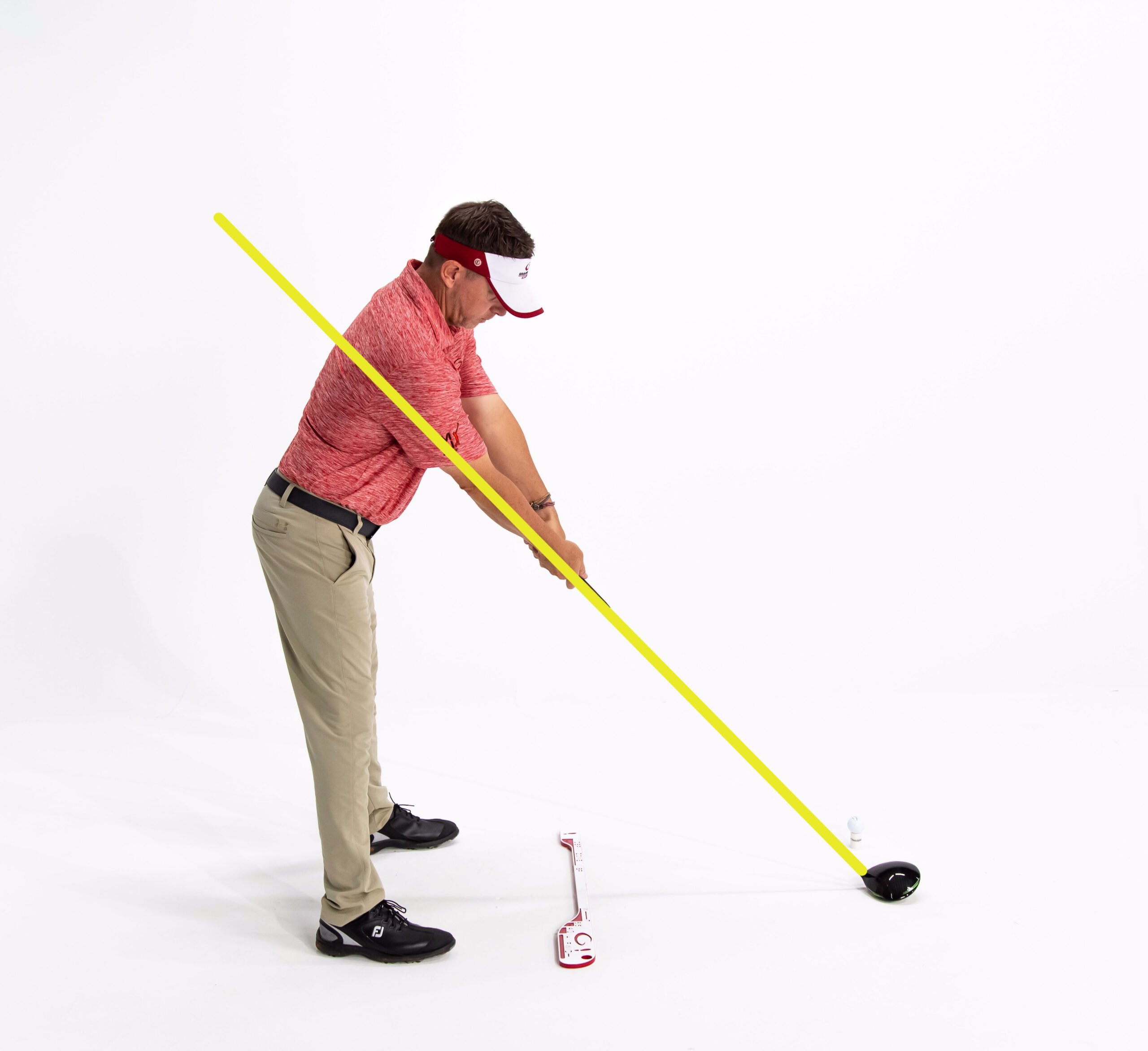
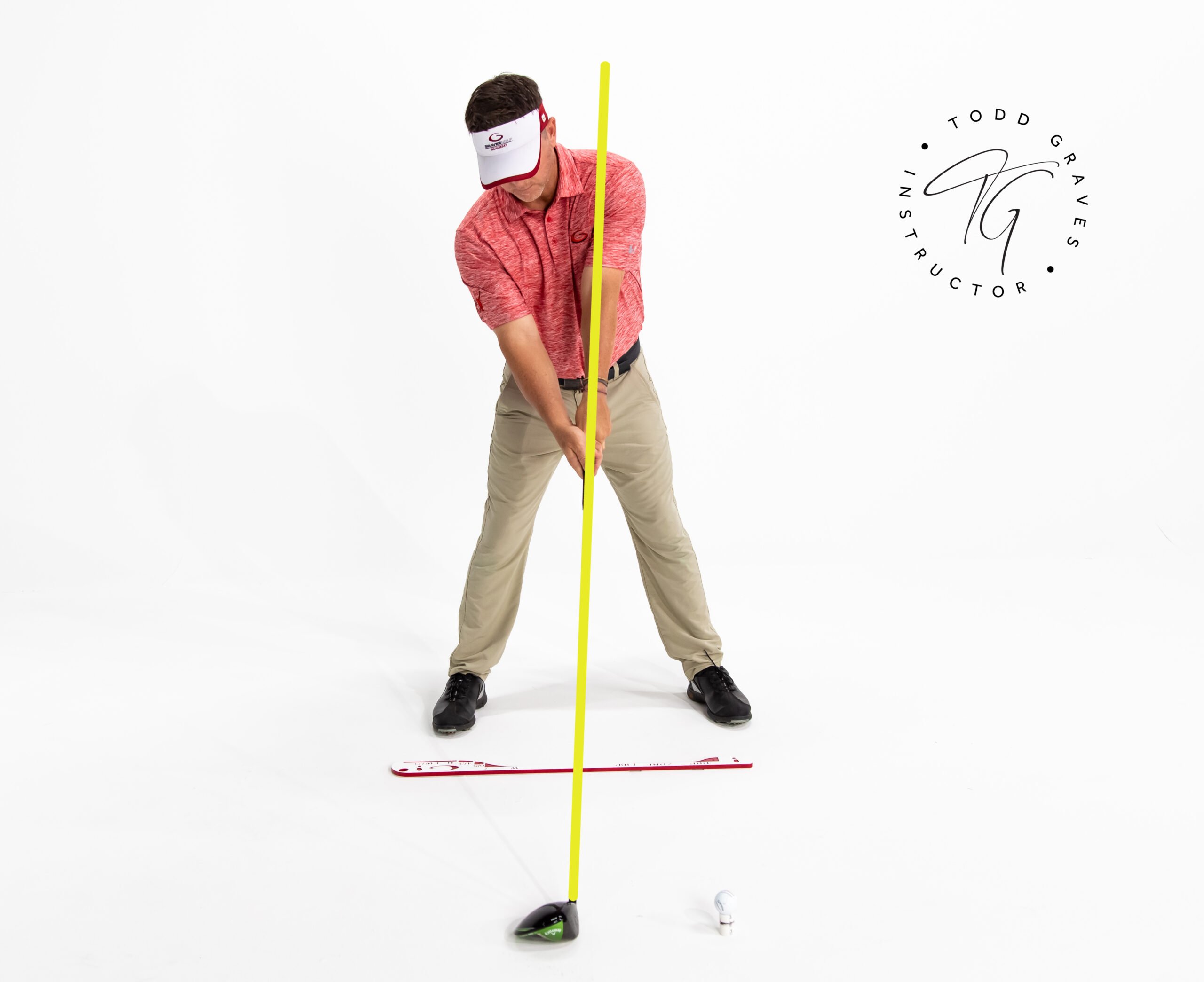
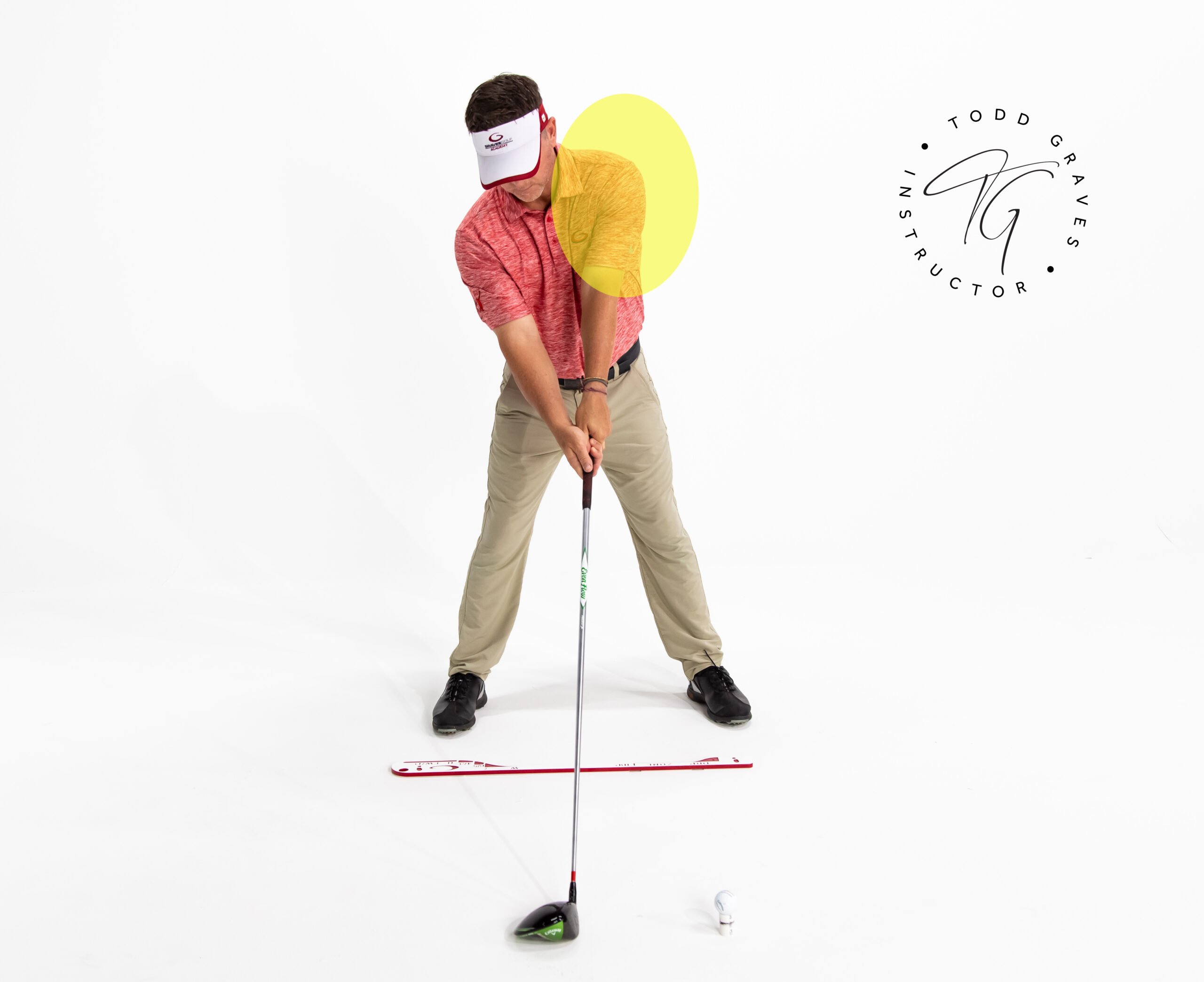
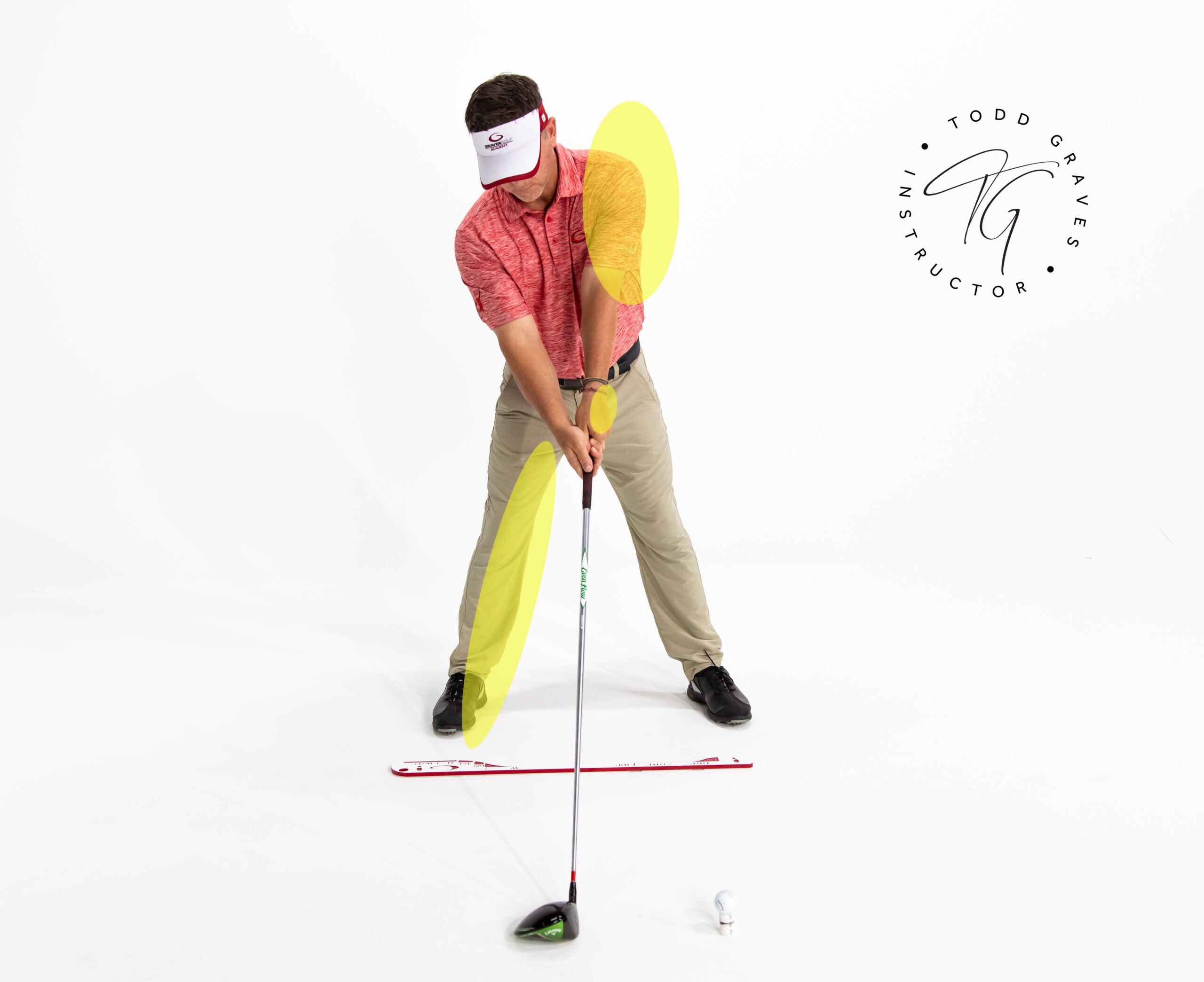
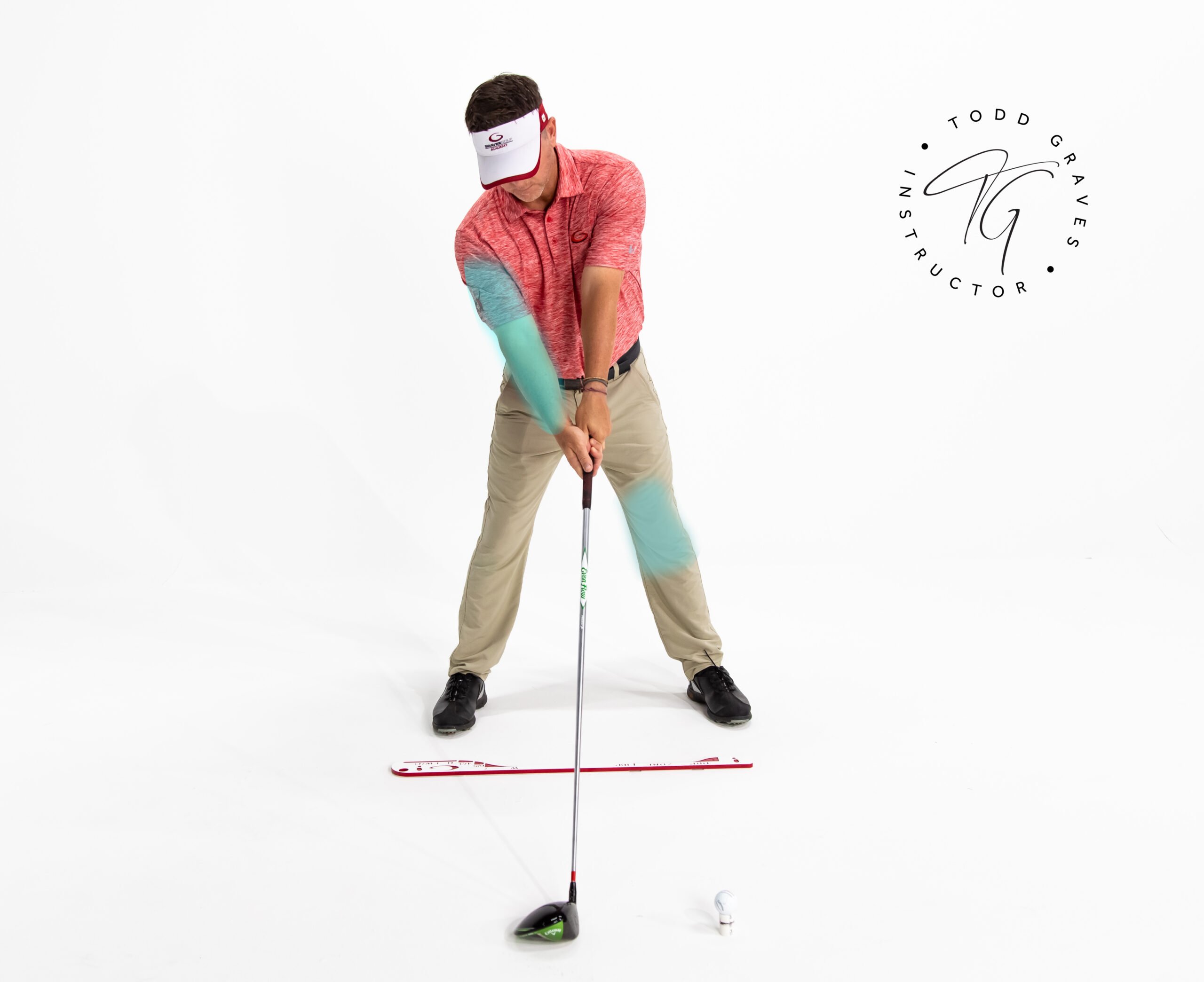
1. LENGTH – The proper length of a golf club for your golf swing is critical. Length of the club is determined by comparing your height to your arm length (wrist to floor measurement). Having the proper length for you for each iron, driver, fairway woods, etc. will allow you to stand the proper distance from the ball with the proper spine tilt (bend at waist). Example – You need to stand 26 inches from the ball (golf ball to toe line) with a 45* spine tilt with a 6 iron. That will allow you to get the golf club on the single plane and allow you to get your arms, hands, etc. in proper position. If the club is too short, you will not have enough room to get the arms and hands in proper position and if the club is too long, the arms will typically be too high and spine tilt improper – causing golfers to swing “around” themselves, rather than “under” themselves (proper). Each club must be the proper length for your height vs. arm length. This is absolutely one of the key factors to getting the club on a single plane – your club lengths must be individualized and optimal for you and your single plane swing.
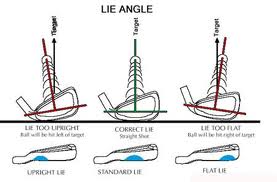
2. LIE ANGLE – The proper lie angle is as critical, if not more, then length. The lie angle is also determined by your height vs. arm length. When set up in the proper single plane swing position, the leading edge of the club should be FLAT to the ground for you. As the set up position mirrors the impact position, the lie angle should allow the leading edge of the club to be flat to the ground at set up and impact. This will allow the club to “cut” square through the ground at impact. Improper lie angles will cause the heel or toe to dig into the ground with a good swing and the ball will fly dramatically off line. An improper lie angle of only one degree can cause a mid-iron to fly many yards (10 or 20 yards) right or left of the target. The problem is, you will make adjustments in your swing for improper lie angles. Adjustments away from the proper single plane swing fundamentals. The proper lie angle (individualized for your body measurements) is CRITICAL if you want to make rapid and proper improvement in your single plane golf swing.

3. SHAFT FLEX – The proper shaft flex is critical for proper ball flight. Shaft flex can range from Ladies flex to Extra Stiff flex (with up to 17 flexes (graphite) in between). The more flexible the shaft flex, the higher the ball will fly. The slower a golfer swings their clubs, the more flexibility (flexible) they need in a shaft. We can determine swing speed by average distance you hit particular irons and then determine what flex shaft is needed for proper ball flight. For example, an average 6 iron’s equation is 1.77 yards per mile an hour. Meaning – if you hit a 6 iron 150 yards on average, you swing the club around 85 mph. This equates to a mid-Regular flex shaft. This is only an example, but with and individual’s average 9 iron and/or 6 iron distance (and/or swing speed) we are able to fit shaft flex accordingly. Too many golfers hit shafts that are too stiff for them, causing them to try and “lift” their golf shots for added height the shaft is not giving them. This “lifting” causes many problems in the golf swing (casting, over the top, topping the ball, etc. etc..). All because of improper shafting. Also, improper shaft flex typically leads to improper ball position. Golfers that hit shafts that are too stiff for them tend to put the ball too far forward in their stance (to help get the ball then needed height). This can cause a lot of swing issues like lateral slide in golf swing (and eventually shanking the golf ball), over the top move, topping the golf ball, etc… It is CRITICAL to have proper shaft flex as it allows for proper ball flight which will give you maximum distance for each club and allow you to hit the ball with proper flight from proper ball position fundamentals.

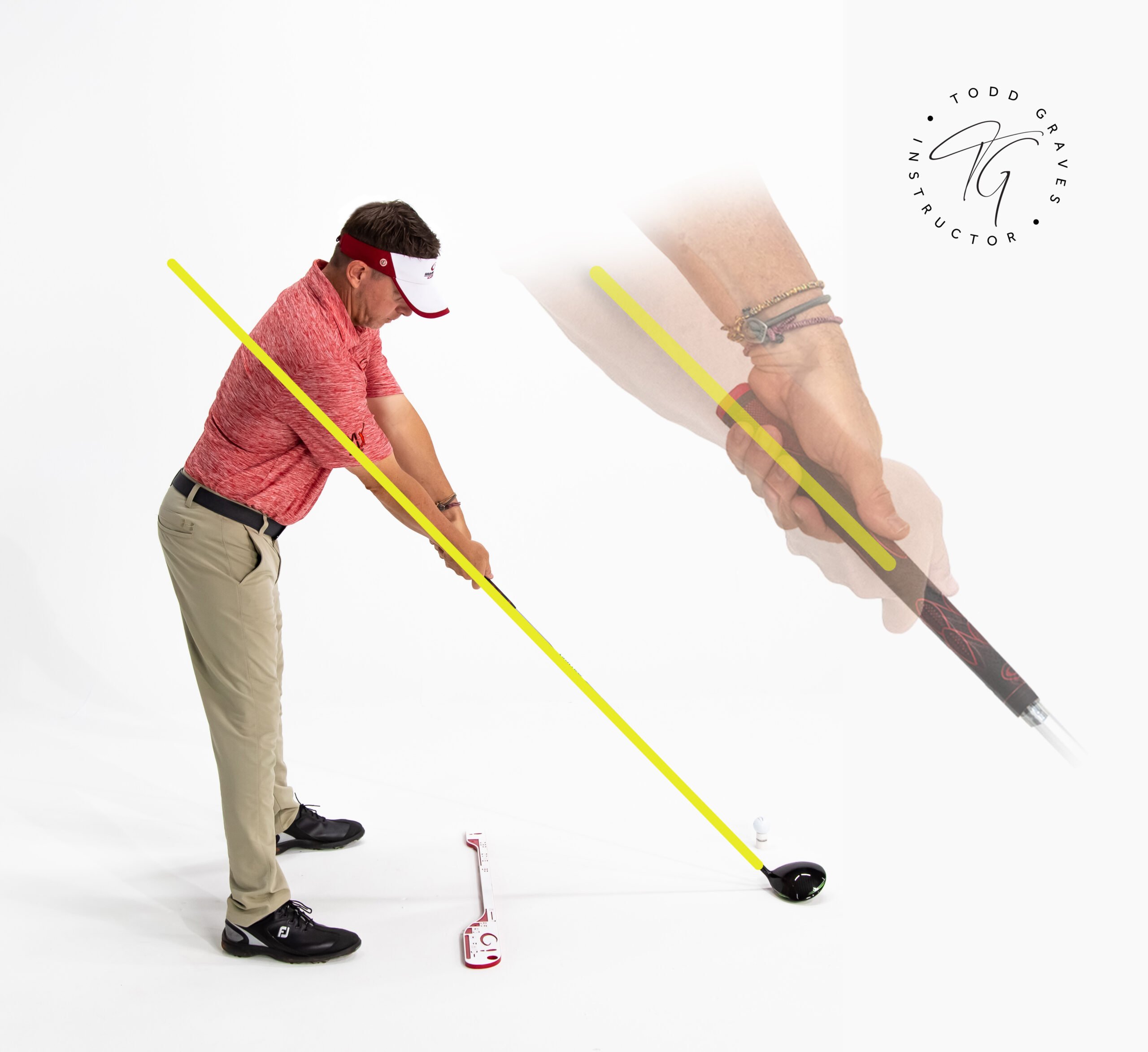
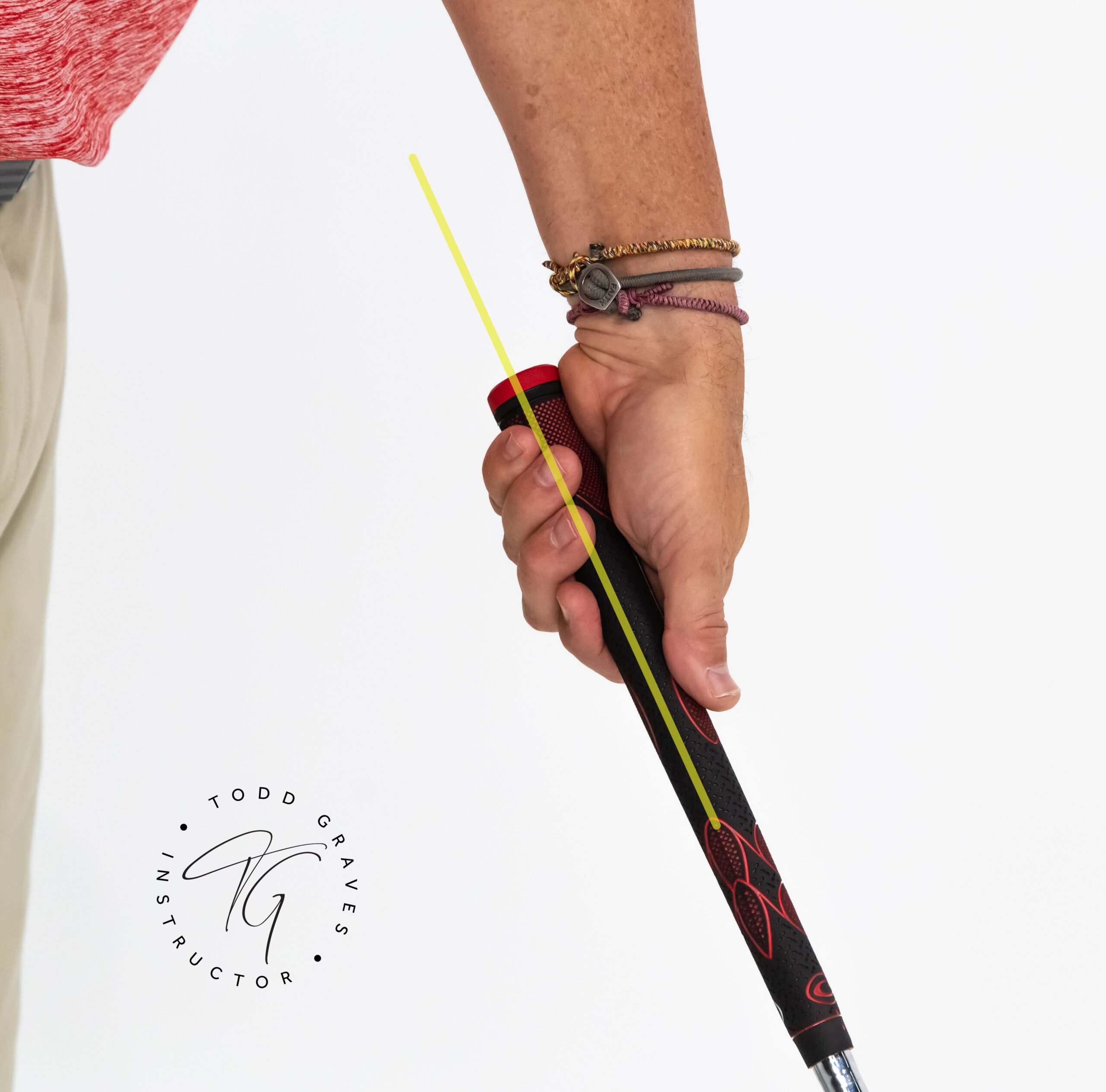
4. GRIP SIZE – The proper grip size will allow you to maximize the release of the club and give you maximum distance with this release. Grip size is determined by you hand size. The measurement from the crease at the top of your wrist to the end of of middle finger. Proper grip size allows you to grip the club with “minimal” pressure, enough to keep the club from slipping in the hands, by not too tight causing too much tension in the hands, wrists and forearms which will dramatically reduce leverage angles through impact which will hinder distance and consistency.
* Plus – as you see above, we offer a “specialized” grip (the Graves Golf / Moe grip) with markings on it that will allow you to grip the club exactly like Moe (and check your grip) EVERY time you hold your club. The grip is USGA conformed.
* Callaway Golf installs the Graves Golf grips (our grip) on all clubs ordered through Graves Golf customized to an individual’s hand size. And these grips are installed, etc. at NO extra charge to you the customer.
Proper grip size is critical to allow for optimal feel and control of the golf club and thus allows for maximum leverage in the golf swing and optimal release. This will allow you to optimize distance and control in your golf swing.

5. LOFT – Industry average has a 4* to 5* separation in loft between the irons/clubs in a set. This, and the length of the club, are what give the golf clubs different distances when you hit them. On average (for the average golfer), with proper length and loft, there is around a 10 to 12 yard separation between clubs (ex. you hit 9 iron 110 yards, you will hit 8 iron 120 yards, etc.) This is an average.
Loft becomes a big factor in the fitting process in a couple different areas:
* Driver – it is absolutely necessary to get the proper loft on your driver to give you maximum flight and roll of your driver. The biggest factor determining what loft you need is your swing speed (listed above how calculated, etc..). Too much loft will lead to hitting too high and minimal roll, too little loft will lead to lose in flight distance. Too much or too little loft will cause loss of distance with your driver.
* Fairway woods – it is necessary to hit fairway wood(s) with enough loft that fit your swing speed/game. For most, they should not be hitting 3 woods (around 15* loft) off the ground as it is not enough loft to give them maximum fly. It is recommended you swing the driver at least 90 mph in order for you to hit a 15* fairway wood. Most golfers (average golfer) should hit a 4 or 5 wood (18* or 19*) fairway wood as the longest club off the ground. They will actually hit this club longer than a 15* club as the added loft will give them the optimal fly (and roll).
* Hybrids/Rescue Clubs/Utility Clubs – these clubs are long iron replacements. They have the needed loft and wider sole (than equivalent iron) that will allow golfers to hit the longer clubs (less lofted clubs) in their bag with the needed height and distance to be able to hold greens, etc… Average golfers, hitting their 6 iron 150 to 160 yards should hit a 3, 4 and 5 hybrids (not long irons) to give them the optimal flight and ability to hold greens with the longer clubs. All golfers need to have their club (set make up) set to their game. Some might even consider playing # 6 and 7 hybrids… Hybrids have become more and more popular in recent years.
* Wedges – loft of wedges need to be set to maximize an individual’s short game. There should not be uneven gaps in loft between the different wedges. Meaning – if you carry 3 wedges (Pitching, Sand and Lob) – maybe a 6* to 8* gap between wedges. If you carry 4 wedges (Pitch, gap, sand, lob) – 4* to 6* separation, etc… Optimal scoring in golf is set up with the short game. The short game is optimized with even gaps between your wedges.
6. Set Make Up – The proper set make up is individualized for each golfer. It is recommended according to individual’s:
* Swing Speed (distance they hit clubs)
* Divot pattern (Divot/No Divot) – Less divot, wider sole club recommended
* Golfer’s physical condition (injuries vs. body problems, etc… Examples – arthritis, chronic back problems, etc.)
* Need for “feel” in the clubs vs. “forgiveness” in the clubs (or combination)
* General golf ability (new golfers vs. experienced golfers)
* Others (there are other factors we consider when recommending clubs – (for example – young golfers – how much will they grow, etc.)
These are the main areas we focus on when we fit a set of clubs to an individual’s golf game.
Whether looking to fit/replace a single club to an entire set, from a putter to a driver to your irons, wedges, etc.. it is ABSOLUTELY CRITICAL that the club(s) is fit to YOUR individualized swing and single plane specifications.
An UNfit club will hinder your improvement process, an UNfit club will hinder your golf game, an UNfit club will not allow you to reach your potential, an UNfit club can and many times will actually physical hurt you (tendonitis in elbows and wrists are many times causes and exaggerated by club with improper lie angles), and UNfit club is basically worthless to you. I don’t care how much you spent for the golf club(s) – if they are not individually fit to you – they are worthless to your game – and worse than that, can and many times will actually “hurt” you.
Graves Golf has a custom fitting program established with most major manufacturers in the golf industry. And many of the manufacturers install our grips in their custom department (no other instruction group can say that….). We have worked VERY HARD to set this customizing system up for our customers, students, etc. anyone interested in the single plane golf swing.
Also, because of the amount of equipment we sell from each manufacturer, we are many times offered equipment at a reduced rate for our customers. We are always able to match industry pricing and many times able to beat the pricing. We are also many times able to offer clubs at a significantly reduced price. Please watch our newsletters (bimonthly) for these specials – as they typically don’t last long as many are interested in these special pricing.
Customization done at the manufacturer is free through Graves Golf, there is no added cost for the Graves Golf grips installed and customized at the manufacturers. Plus, there is no shipping charge (within US) and no tax (outside of OK) through the Graves Golf.
To get a FREE individualized custom fitting please go to: https://gravesgolf.com/free-club-fitting/
(Please give me a day or two to respond with your recommendations as some days we receive upwards of 100+ requests for fittings – and each response is personalized.
If you would like more information about custom fitting, questions about your clubs, about any new or old equipment on the market, etc… etc. please don’t hesitate to email timg@gravesgolf.com or timkgraves@aol.com any time.